
How Generative AI Enhances Workforce Planning and Forecasting
enhance workforce and forecasting with uKnowva HRMS
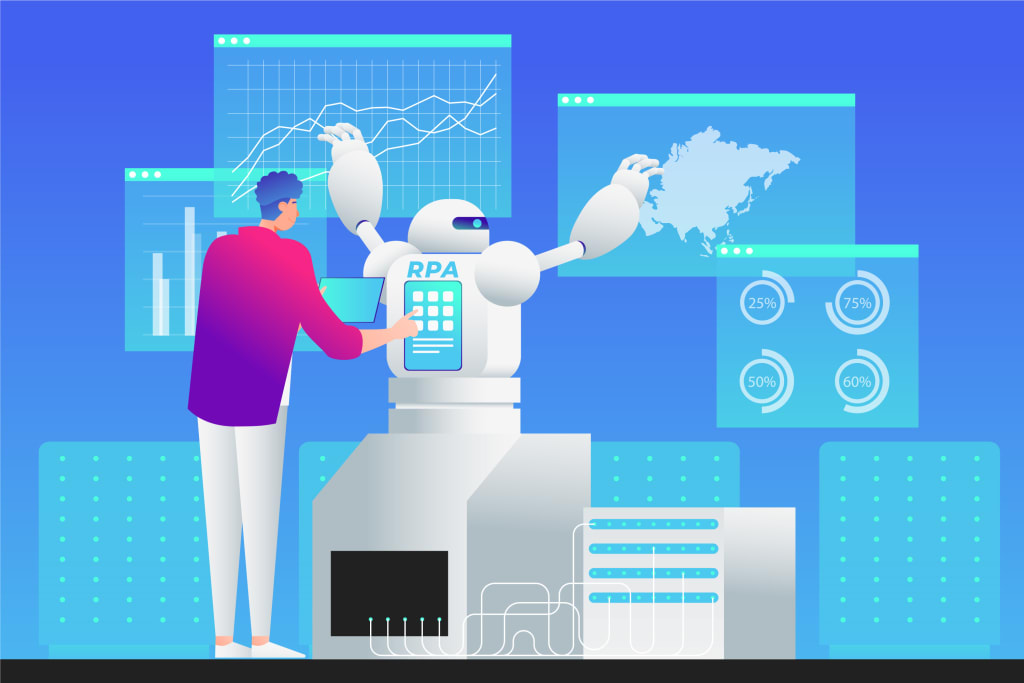
Generative AI isn’t just a buzzword—it’s a game-changer for HR leaders. By leveraging vast amounts of data, AI can forecast workforce needs with greater accuracy than traditional methods. Here’s how generative AI revolutionizes workforce planning for CHROs:
1. Advanced Predictive Analytics
Traditional workforce planning relies heavily on historical data and manual analysis. Generative AI, on the other hand, uses machine learning algorithms to analyze vast datasets, including economic indicators, industry trends, and internal business metrics. AI can forecast talent needs more accurately by identifying patterns that humans might miss.
AI-Driven Scenario Planning
One of the key features of AI is its ability to run multiple “what-if” scenarios. For instance, AI can simulate the effects of business expansion, economic downturns, or changes in employee turnover rates. This allows CHROs to test different strategies and make informed decisions based on potential outcomes.
2. Automated Talent Demand Forecasting
AI can automate the process of talent demand forecasting by analyzing business growth patterns, technological changes, and industry trends. For example, if a company is planning to launch a new product, AI can predict how many additional employees and what specific skills will be required to support the launch.
This level of automation not only saves time but also reduces the risk of human error, ensuring that workforce plans are aligned with future business needs.
3. Identifying Skills Gaps in Real Time
As industries evolve, so do the skills needed to stay competitive. Generative AI can continuously analyze the current workforce’s skill sets against future business goals. This allows CHROs to identify critical skills gaps in real time and develop strategies to close those gaps—whether through reskilling existing employees or hiring new talent.
Proactive Reskilling and Upskilling
Generative AI can also help HR leaders anticipate future skill demands. For example, if an industry is moving toward automation, AI can predict which skills will be obsolete and which will be in high demand, allowing HR to start reskilling employees proactively.
4. Optimizing Workforce Allocation
Generative AI can help CHROs optimize workforce allocation by identifying where talent is most needed and how to distribute resources effectively. It can analyze workforce productivity, geographical data, and performance metrics to determine the best locations or departments to allocate resources.
Dynamic Workforce Models
AI-powered tools can create dynamic models that adjust workforce allocations in real-time. For example, if a specific department experiences a sudden spike in demand, AI can recommend reallocating resources from other areas to meet the immediate need.
5. Enhanced Diversity and Inclusion Strategies
Diversity and inclusion have become critical for businesses seeking to foster innovation and improve employee engagement. Generative AI can analyze workforce data to identify diversity gaps, unconscious biases, and opportunities to enhance inclusion.
Bias-Free Talent Forecasting
AI can eliminate biases in workforce planning by focusing purely on data, such as skills, experience, and performance, without being influenced by gender, race, or age. This ensures that workforce forecasts and planning are more equitable and unbiased.
6. Improved Employee Retention Forecasting
One of the most significant challenges for HR leaders is predicting employee turnover. Generative AI can analyze patterns of employee behavior, engagement levels, and even external factors to predict which employees are at risk of leaving the organization.
Predictive Retention Models
AI can build retention models based on factors like job satisfaction, career progression, and work-life balance. This gives CHROs the insight needed to intervene early and implement strategies to retain top talent, ultimately reducing turnover costs.
7. Cost Optimization in Workforce Planning
Generative AI can also play a significant role in cost optimization. It can analyze labor costs, benefits, and productivity to help HR leaders make smarter decisions about workforce budgets.
Optimizing Compensation and Benefits
By forecasting compensation trends and analyzing market data, AI can ensure that compensation packages are competitive yet cost-effective. This helps companies attract top talent without overspending on salaries or benefits.
8. Supporting Remote and Hybrid Workforce Planning
As remote and hybrid work models become more prevalent, CHROs face the challenge of managing a geographically dispersed workforce. Generative AI can forecast the best ways to manage and support a remote or hybrid workforce, including where to locate talent and how to ensure productivity across different regions.
AI-Powered Remote Workforce Forecasting
AI tools can help predict which roles are best suited for remote work and which ones require a physical presence, allowing HR leaders to develop flexible, data-driven workforce strategies.
Real-World Example: Generative AI in Action
Let’s take a real-world example to illustrate how generative AI can transform workforce planning. Imagine a multinational company planning to expand into a new region. Instead of relying solely on HR professionals to manually analyze market trends, talent availability, and workforce costs, generative AI steps in.
The AI tool scans millions of data points, including local labor market trends, competitor hiring patterns, and the company’s own workforce data.
It predicts the exact number of employees needed in each role, the specific skills required, and the most cost-effective locations to hire from.
The tool also runs simulations to show how different business conditions, such as economic downturns or increased competition, would impact workforce needs.
Armed with this data, the CHRO can make informed decisions about where, when, and how to hire, ensuring that the company’s workforce is prepared for future growth.
Conclusion
Generative AI is reshaping the way CHROs approach workforce planning and forecasting. By harnessing the power of AI, HR leaders can make more informed, data-driven decisions that align workforce strategies with business objectives. From automating talent demand forecasting to improving employee retention and optimizing costs, generative AI empowers CHROs to build a future-ready workforce.
In the next decade, the role of generative AI in workforce planning will only grow, helping organizations become more agile, efficient, and competitive. CHROs who embrace this technology today will be better positioned to navigate the challenges of tomorrow.
About the Creator
Keep reading
More stories from Aditi Sharma and writers in Futurism and other communities.
how to mitigate the impact of daylight savings on individual's work productivity for global-grade organisations?
Mitigating the impact of daylight savings on work productivity is crucial for global organizations, especially as employees may operate across different time zones. Daylight savings (DST) changes can disrupt work routines, meetings, and overall productivity, but with proper planning and adjustments, organizations can minimize these effects. Here are strategies to manage DST's impact on individual productivity:
By Aditi Sharmaabout a year ago in Futurism
About Binding Prometheus
I want to start actively advocating on behalf of my own work, and the most valuable part of my canon is, without a doubt, Binding Prometheus, the play I have been working on since 2019 and only finished in 2023 as part of my MA. The play itself is an amalgamation of a million different inspirations. On one end, it evokes the Ancient Greek myth-play, deriving its own title from the earliest extant work of Western drama we have, Aeschylus’s Prometheus Bound. On the other end, it borrows significantly from the sci-fi bulwarks from over the years, namely Mary Shelley’s Frankenstein and Karel Capek’s Rossum’s Universal Robots. The play could be an episode of Black Mirror, I fear. I don’t know. I’ve only ever seen one episode of Black Mirror.
By Steven Christopher McKnight18 days ago in Futurism
Toys and Games Market: Responsible Play & Growth Outlook
According to IMARC Group's latest research publication, The global toys and games market size reached USD 118.7 Billion in 2024. Looking forward, IMARC Group expects the market to reach USD 174.3 Billion by 2033, exhibiting a growth rate (CAGR) of 4.36% during 2025-2033.
By James Whitmanabout 7 hours ago in Futurism


Comments
There are no comments for this story
Be the first to respond and start the conversation.