
How Augmented Reality is Revolutionizing the Retail Sector
AR Transforming the Retail Landscape

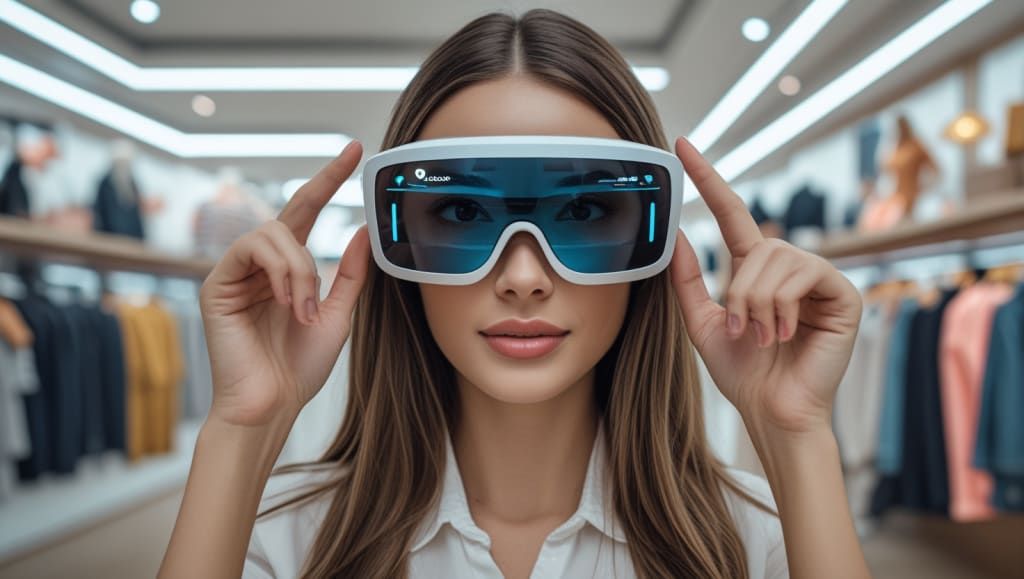
Augmented reality, being an increasingly powerful technology in today's increasingly digital world, transforms how consumers connect with brands and make purchase decisions and even shop. With the fluid fusion of the real and virtual worlds, AR continues to reshape how companies relate to consumers. The positive influence of augmented reality on the retail sector cannot be overstated - be it enhanced customer experience or improved efficiency in operations.
One of the biggest ways in which AR is changing retailing is through elevated shopping. Retailers conventionally rely on in-store displays, catalogs, and online images for consumer visualization of products. However, with AR, consumers can visualize products in their everyday environment before purchasing them. For instance, furniture retailers such as IKEA have AR applications that will allow people to "place" furniture in the confines of their homes via their smartphone. This interactive experience helps eliminate uncertainty and enhances customer confidence in their purchase decisions.
Similar advances are being observed in the realms of fashion and beauty. Companies like Sephora and Warby Parker offer virtual try-on options, enabling users to test out makeup products or eyewear virtually. While this saves the hassle of physical trials, it also addresses a growing demand for touchless experiences in this post-pandemic world.
Engaging the Customer
AR truly is a powerful tool for engaging customers and building brand loyalty. More and more retailers are taking advantage of AR to create more immersive experiences that captivate shoppers and make them spend more time interacting with the brand, for example, in how luxury brands use their mobile apps with virtual shoe try-ons, exclusive digital content, et cetera. In this, the experiences not only amaze the customers but also evoke a sense of exclusivity and innovation led by the brand.
Interactive AR campaigns are also proving effective in attracting younger, tech-savvy audiences. Brands like Nike have launched AR-based gamified experiences where customers can unlock limited-edition products or explore virtual pop-up stores. By leveraging AR, retailers can create memorable experiences that resonate with consumers and encourage repeat visits.
Streamlining Operations and Reducing Costs
Further away from customer-facing applications, AR is also applied to streamline the operations of retail business and cut down costs. AR-powered in-store navigation tools can enable customers to quickly identify products in store, decrease the need for having staff physically assist them, and improve efficiency overall. Retail employees can also utilize AR to maximize inventory management through real-time visualization of stock levels or simulating shelf arrangements for sales maximization.
In addition, AR can reduce the cost of product returns, a significant challenge for online retailers. By providing accurate visualizations of products, AR minimizes the likelihood of customers receiving items that don’t meet their expectations. For instance, home improvement retailers like Lowe’s use AR to let customers see how paint colors, appliances, or fixtures will look in their spaces, reducing the chances of dissatisfaction and returns.
Overcoming Challenges
Although the benefits of AR in retail are evident, there are also challenges associated with the technology. For example, high development costs and the need for advanced hardware can be a barrier for smaller retailers. Furthermore, it is essential to ensure that the user experience is seamless and intuitive; poorly designed AR applications can frustrate users and deter adoption.
Another concern is data privacy. AR experiences require access to personal information, such as location and camera data. Retailers must prioritize robust security measures to protect customer data and comply with privacy regulations.
The Future of AR in Retail
In the future, with further developments in AR technology, its applications in retail are expected to grow increasingly sophisticated. Increased capabilities of AI and machine learning will enable even more customized AR experiences, giving backroom suggestions based on personal preferences and shopping habits. Moreover, the integration of AR with other technologies, like virtual reality and the metaverse, may allow for completely new possibilities of immersive experiences in this field.
In a nutshell, augmented reality is no longer a fad but a revolution that is changing the retail landscape. With the ability to enhance the shopping experience, increase customer engagement, and streamline operations, AR helps retailers remain competitive in this ever-digitized marketplace. With technology advancing day by day, the scope of AR in retail will only expand and hold much promise for the future of businesses and consumers alike.
About the Creator
Ankit Saini
Ankit Saini is an experienced web page developer and an article writer interested in the field of designing fascinating digital experiences as well as incisive content. Experienced in web technologies and creative storytelling.
Keep reading
More stories from Ankit Saini and writers in Futurism and other communities.
Ethical AI: Challenges and Solutions for Responsible Development
Artificial Intelligence (AI) has become a cornerstone of technological advancement, driving innovations across various industries. From healthcare to finance, AI’s transformative potential is unparalleled. However, with great power comes great responsibility. As AI systems increasingly influence critical decisions, ensuring their ethical use is paramount. This article explores the challenges of ethical AI development and offers solutions for responsible implementation.
By Ankit Sainiabout a year ago in Futurism
Europe Creator Economy Market worth USD 112.42 Billion By 2034
Europe Creator Economy Market Overview The Europe Creator Economy Market is projected to reach approximately USD 112.42 Billion by 2034, increasing from USD 14.3 Billion in 2024, reflecting a strong CAGR of 22.9% during the forecast period from 2025 to 2034.
By Roberto Crum5 days ago in Futurism




Comments
There are no comments for this story
Be the first to respond and start the conversation.