
"How AI is Revolutionizing Work in 2025: Adapt or Be Left Behind"
From Freelancers to Big Corporations, Discover How Artificial Intelligence Is Reshaping Careers and Productivity

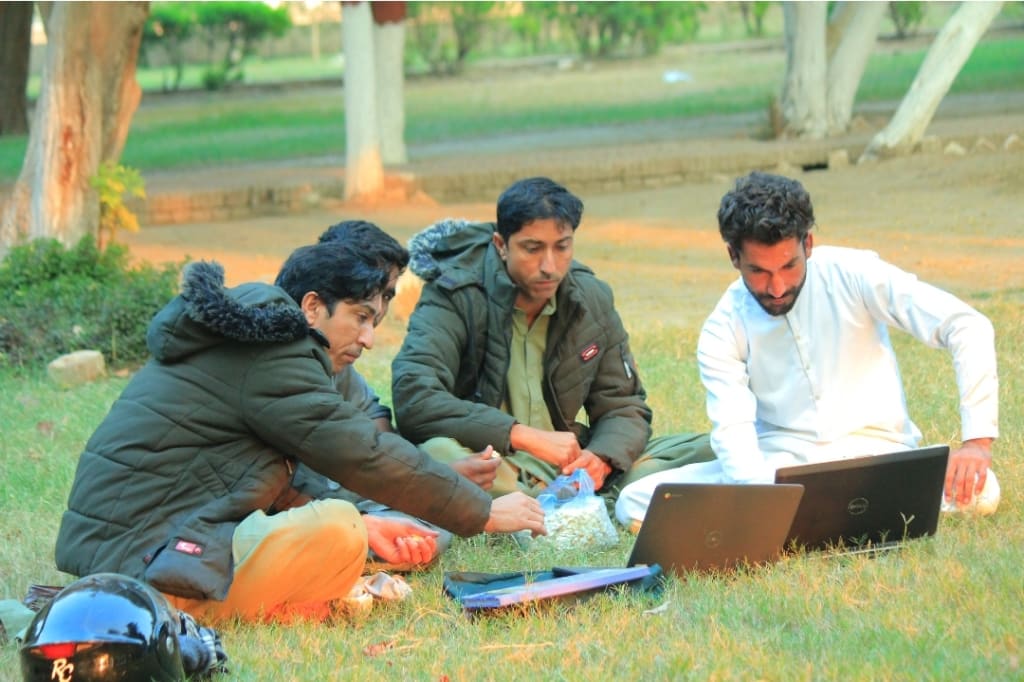
In 2025, artificial intelligence (AI) is no longer a futuristic buzzword—it’s the force actively reshaping our present. AI has evolved from a tool used by tech enthusiasts into a global driver of innovation, productivity, and career transformation. Whether you’re a freelancer, an employee in a big corporation, or someone seeking a fresh start, one thing is clear: adapting to AI is essential for survival.
The traditional 9-to-5 model has undergone a revolution. Remote work, initially a response to global emergencies, has become a long-term reality. AI tools have made virtual collaboration smarter and more efficient. Applications like Slack, Zoom, Trello, and Notion have integrated AI that helps with automating repetitive tasks, summarizing long discussions, and even predicting project delays. This means teams can focus more on creative problem-solving rather than manual coordination.
AI’s impact extends far beyond communication. In recruitment and job hunting, AI has become the gatekeeper. Resume screening bots filter thousands of applicants in seconds, prioritizing those who use specific keywords or possess in-demand skills. As a result, job seekers need to optimize their profiles to align with AI’s selection methods. Traditional degrees, once a badge of honor, now matter less compared to hands-on skills, tech literacy, and adaptability.
But there’s another side of the story. While AI is making work more efficient, it’s also displacing certain jobs. Automated systems have replaced roles in retail (like cashier positions), basic content creation, and customer service. Many fear this trend will continue to accelerate. However, where AI closes one door, it opens another. Entirely new job categories are emerging: AI trainers who teach models to behave ethically, data annotators who label training data, prompt engineers who craft instructions for generative tools, and more.
In this new ecosystem, reskilling is your lifeline. Workers who take the time to learn how AI works—and how to use it—are thriving. For instance, marketers are now using AI to analyze audience behavior and generate campaign strategies. Teachers are using AI to personalize lesson plans. Writers are leveraging AI for research, editing, and ideation, while still adding their unique voice and storytelling abilities.
Freelancers especially are seeing AI as a game-changer. Graphic designers use tools like Adobe Firefly and Canva Magic to speed up design workflows. Writers use ChatGPT or Jasper to develop content outlines or improve grammar. Video creators rely on tools like Pictory or Runway AI to edit footage efficiently. However, the magic lies in balance: let AI help, but don’t let it do everything. Your human touch—your creativity, emotion, and perspective—is what adds real value.
AI is not only changing how we work, but also how we think about work. Instead of spending hours on repetitive tasks, professionals can now focus on innovation, strategy, and human connection. Companies are shifting from hiring based solely on education to hiring based on problem-solving, adaptability, and AI fluency.
So, how do you stay ahead in 2025?
1. Learn AI tools relevant to your field. Whether it’s Excel plugins, ChatGPT, Canva, or Midjourney—start with one, get confident, and expand your skill set.
2. Stay curious. AI is evolving rapidly. Follow updates, read case studies, and experiment with tools yourself. Platforms like LinkedIn, Medium, or even Reddit can be goldmines of insight.
3. Develop soft skills. AI can replicate logic and data processing, but it can’t replace empathy, leadership, storytelling, and critical thinking.
4. Collaborate with AI, not against it. View AI as your assistant, not your competition. When you know how to direct AI effectively, your output becomes faster and smarter.
5. Create a personal brand. AI might be able to generate content, but it can’t replicate your personality, experience, or style. Build a voice people recognize and trust.
Remember, the most successful professionals in 2025 aren’t necessarily the most technical—they’re the most adaptive. They see change as an opportunity, not a threat. They’re willing to reinvent themselves and keep learning.
If you're feeling overwhelmed, that’s okay. Everyone is learning. Start small. Pick one AI tool. Use it. Experiment. Reflect. Improve. Bit by bit, you'll build confidence. And soon, you’ll not only catch up—you’ll lead.
Enjoyed the read?
If this article added value to your thinking, feel free to leave a tip or a comment. Your encouragement helps independent writers like me continue creating helpful content. Thank you!
About the Creator
Keep reading
More stories from Hashim khan and writers in Futurism and other communities.
AI and the Future of Writing: Threat or Tool?
For hundreds of years, writing has been a skill only humans could do. Whether it was a poem, a news article, or a business report — only people could write with meaning, feeling, and clarity. But in 2025, AI can write too. Tools like ChatGPT, Jasper, and others can create stories, emails, even books. Many people are asking: is AI a threat to writers, or can it be a helpful tool?
By Hashim khan10 months ago in Futurism
Cell Dissociation Market Outlook: Advancements in Cell-Based Research and Growth Opportunities
According to IMARC Group's latest research publication, The global cell dissociation market size reached USD 404.8 Million in 2024. Looking forward, IMARC Group expects the market to reach USD 1,186.4 Million by 2033, exhibiting a growth rate (CAGR) of 12.06% during 2025-2033.
By James Whitman5 days ago in Futurism
Plant-Based Food Market: How AI and Innovation Are Shaping the Future of Sustainable Nutrition
Introduction The global food industry is undergoing a significant transformation as consumers shift toward healthier and more sustainable dietary choices. One of the most prominent trends emerging from this shift is the growing popularity of plant-based foods. These products are derived entirely from plant sources such as soy, peas, almonds, oats, coconut, and other plant ingredients, offering alternatives to traditional animal-based products.
By James Smith6 days ago in Futurism
Hottest in the Office
Dear Rafi, You’re very distracting to work around. For the first second I saw you the other day, I thought you were some type of executive. It took a moment to realize no, you were just the new guy, dressed up for the job he wants. Be still, my heart.
By Gabriel Shames5 days ago in Pride



Comments
There are no comments for this story
Be the first to respond and start the conversation.