
How AI Avatars Are Redefining Personal Branding in 2025
From digital twins to virtual influencers, AI avatars are reshaping how we sell ourselves online—here’s the wild ride of personal branding in 2025. 🤖

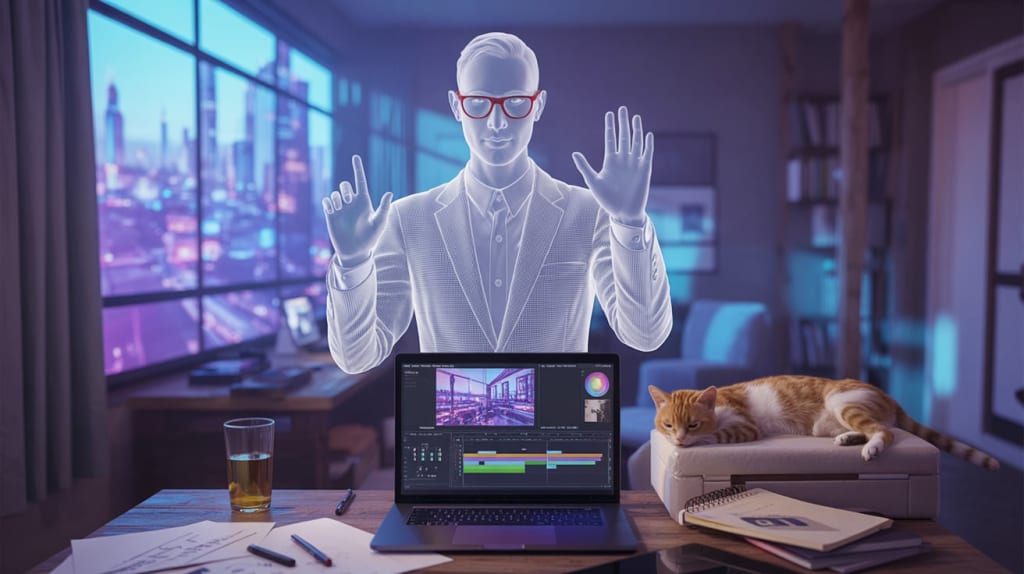
My Awkward Zoom Call and the Avatar Epiphany
Last month, I totally tanked a Zoom pitch. My Wi-Fi was glitching, my cat decided to star in the background, and my “professional” energy screamed “panicked freelancer who forgot to brush their hair.” I wished I could’ve sent a suave, unflappable version of myself—one that doesn’t stutter or sweat buckets. That’s where AI avatars come in, the 2025 game-changer that’s got everyone from LinkedIn hustlers to TikTok creators rethinking how they show up online. These hyper-realistic digital twins, powered by some serious AI magic, can talk, smile, and sell your brand 24/7, no coffee spills or bad hair days needed. A 2025 Newsweek article called AI the “architect of our online personas,” and I’m sold—but also a bit weirded out. Are we crafting epic brands or creepy clones? I dove into the top AI avatar trends, from platforms like HeyGen to the ethical quicksand, to figure out how they’re reshaping who we are online. Spoiler: it’s wild, it’s weird, and it’s not all sunshine. Here’s the scoop, with hacks to make avatars work for you—without selling your soul.
AI avatars aren’t just cartoon selfies; they’re lifelike digital humans that mimic your voice, face, and vibe, thanks to tools like DeepBrain AI and Arcads. They’re popping up in marketing, social media, even job interviews, letting you scale your presence without losing your mind. X user @shedntcare_ nailed it, saying they’re “no longer robotic”—they wear your brand’s style and charm your audience. Let’s break down how they’re flipping personal branding, why they’re awesome, and why they’re giving me some serious trust issues.
What Are AI Avatars, and Why 2025?
AI avatars are digital stand-ins for you—or your glow-up self—built with AI tech like machine learning and natural language processing. A Forbes post calls them “transformative tools” for hybrid work, letting you whip up videos or host meetings without showing your face. Platforms like HeyGen let you train an avatar with a two-minute video, cloning your voice and look to churn out content faster than you can say “content calendar.” In 2025, they’re everywhere: LinkedIn headshots, Instagram Reels, even virtual tutors. A fotoai.app report says they’re “central to digital identity,” with hyper-realistic designs that blink, smirk, and nail your brand’s energy.
Why 2025? The AI avatar market’s on fire—set to hit $5.93 billion by 2032, per jeffbullas.com. Social media’s video craze (hello, TikTok) demands constant content, and avatars deliver without the hassle of ring lights and makeup. Plus, remote work and the metaverse make digital presence a must. I tested HeyGen for a freelance pitch video—fed it a script, picked a virtual me, and bam: a polished clip in 10 minutes. No cat cameos. But it felt… uncanny. Was it me or a slick imposter?
The Superpowers: How Avatars Amp Your Brand
AI avatars are like having a personal hype crew that never clocks out. Here’s how they’re rewriting the personal branding playbook:
Scale Without the Meltdown: Content creation’s a slog—scripting, filming, editing, rinse, repeat. Avatars automate it. Arcads claims they cut production time to minutes, letting you pump out Instagram Reels or LinkedIn videos while you binge Squid Game. I made a week’s worth of promo clips in an hour. Brain officially blown.
Consistency Is Your BFF: Your brand needs a vibe—same tone, look, swagger. AI avatars deliver flawless videos every time, no “I woke up late” excuses. A WARC post calls them “digital faces” for brands, like KFC’s virtual Colonel Sanders. My avatar’s always on-point, unlike my Zoom fiascos.
Global Game, Local Flavor: Avatars speak multiple languages with perfect lip-sync, per D-ID. A skincare influencer could demo products in Spanish, Mandarin, or Arabic, hitting new markets without a passport. I’m eyeing this for my freelance gigs—bonjour, French clients!
Personalization Magic: Avatars can tailor content to your audience. Digiexpo says they can greet viewers by name in videos, spiking engagement. Picture a virtual me thanking “Jake” for following my blog—kinda creepy, but it works.
X user @vidnoz_official calls them “hyper-realistic digital humans” that emote like the real deal, and they’re not wrong—they’re light-years from 2020’s clunky bots. For freelancers, influencers, or startup founders, avatars let you be everywhere, all the time, without losing your cool.
The Dark Side: Trust, Ethics, and “Is That Really You?”
But let’s pump the brakes—avatars aren’t all TikTok fame and virtual high-fives. They’ve got some serious baggage:
Trust Troubles: A Canopy Connect post hits the nail on the head: if clients clock your “personal” video as an AI clone, they might feel scammed. I showed my HeyGen video to a pal, and she was like, “It’s you… but not you.” In fields like coaching or insurance, where trust’s the whole game, that uncanny valley could sink your rep. Transparency’s non-negotiable—label AI content, or you’re asking for trouble.
Privacy Nightmares: Avatars need data—your face, voice, maybe your emails. A rockpaperreality.com article flags GDPR risks and data leaks. If my avatar gets hacked, will someone use it to catfish my clients? I’m not saying I’m paranoid, but… yeah, I’m a little paranoid.
Ethical Quicksand: Who owns your avatar? A LinkedIn post wonders if AI flag-bearers “detract from the human element.” If I sell my digital twin to a brand, do they control it forever? And bias? If avatars are trained on skewed data, they could misrepresent you—or offend your audience.
Job Jitters: X user @TimesOfAI_ points out a “fragmented regulatory landscape” for avatars, meaning brands might swap human influencers for cheaper AI clones. A 2025 Argil.ai report says AI ambassadors are “redefining” influencer gigs, and my influencer buddy’s already losing jobs to virtual models—yikes.
These hiccups hit hard in personal branding, where authenticity’s your gold. Forbes says AI can’t replace a “strong personal brand” rooted in human connection, and I’m with them—avatars amplify, but they don’t replace you.
Society’s New Vibe: A World of Digital Doppelgängers
AI avatars aren’t just spicing up your LinkedIn—they’re reshaping how we connect. A studioshot.ai post says 70% of folks crave personalized experiences, and avatars deliver, but at a cost? We’re hungry for realness, yet outsourcing our faces to AI. It’s a weird headspace. Socially, avatars could make branding more inclusive—anyone can look pro without a studio—but they might deepen digital divides. A shiftwiser.io article warns that brands without AI could get left in the dust, leaving small creators playing catch-up.
They’re also tweaking cultural norms. K-pop’s virtual idols, like Mave, prove avatars can be superstars, per WARC. On X, @Promise_Web3_ says influencers can turn their personalities into verified AI, earning royalties without filming. But if everyone’s a flawless avatar, do we lose the messy, human spark that makes us relatable? I’m not ready for a world where we all look like Instagram filters—samey and soulless.
Professionally, avatars are a godsend for remote work. Forbes says they bridge hybrid teams, delivering consistent training or client pitches. But leaning too hard could make us lazy—why practice public speaking if an avatar’s got it handled? In education, fotoai.app notes avatars engage students as virtual tutors, but can they match a teacher’s heart? Society’s at a fork: embrace the tech, but don’t let it erase what makes us us.
How to Ride the Avatar Wave (Without Crashing)
Want to jump on the AI avatar train? Here’s how to do it without derailing your brand:
Pick Your Weapon: HeyGen’s solid for video messaging; Arcads rocks for marketing with 300+ avatars. Test platforms to match your style—buttoned-up for LinkedIn, edgy for TikTok.
Keep It Real: Be upfront about AI use. A digiexpo.ae post says transparency builds loyalty. Caption your videos: “Powered by my AI twin!” It’s honest and kinda dope.
Make It You: Use tools like FotoAI to tweak avatars—add your pet, your style, your neon aesthetic. My avatar’s got my red glasses, so it’s unmistakably me.
Mix AI and Human: Use avatars for repetitive stuff (welcome videos, FAQs), but show your real face for big moments, like client calls. Forbes says human outreach still slaps.
Stay Ethical: Check data policies and avoid over-editing to “perfect” yourself—it alienates fans. A rockpaperreality.com post stresses “thoughtfully programmed guardrails.”
By 2026, avatars might host live Q&As or star in metaverse gigs, per yordstudio.com. Start now to stand out before everyone’s got a digital doppelgänger.
The Future: Your Brand, Your Avatar, Your Rules?
AI avatars are personal branding’s new frontier—fast, scalable, and a tad freaky. They let you dominate platforms, reach new audiences, and skip the video grind, but they need transparency and soul to dodge the “fake” vibe. A studioshot.ai post says 2025’s all about “authenticity, AI, and video,” and avatars nail two out of three. My avatar’s a lifesaver, but I’ll never let it outshine my messy, human self. Society’s diving into digital identities, but we’ve gotta keep the real stuff—flaws, quirks, cat photobombs—in the game.
What’s Your Avatar Game Plan?
Would you let an AI twin run your brand, or is it too “Black Mirror” for you? Got a platform you’re eyeing, like HeyGen or Arcads? Spill your thoughts in the comments—I’m all ears! 😎
About the Creator
F. M. Rayaan
Writing deeply human stories about love, heartbreak, emotions, attachment, attraction, and emotional survival — exploring human behavior, healthy relationships, peace, and freedom through psychology, reflection, and real lived experience.
Keep reading
More stories from F. M. Rayaan and writers in Futurism and other communities.
Gemini 2.5’s Deep Think Mode: Can Google’s AI Outsmart Humans Now?
A Brainier AI Steps Up Ever flunk a math test so bad you wanted to hide under your desk? Yeah, me too. Now imagine an AI that could not only ace that test but explain why you bombed it, then whip up a study guide faster than you can say “calculus is evil.” That’s the vibe with Google’s Gemini 2.5 Pro, especially its new Deep Think mode, unveiled at Google I/O 2025. This isn’t your average chatbot spitting out quick answers. It’s like a nerdy Sherlock on steroids, pausing to ponder multiple solutions before dropping a response that’s scarily spot-on. But can it really outsmart humans? Or is this just Google hyping up another tech toy? Let’s dig into what Deep Think does, how it’s flexing its brain, and whether it’s ready to dunk on our puny human minds—or if it’s got some growing pains.
By F. M. Rayaan10 months ago in Futurism
More than 110 people killed in Iran’s Kurdistan: Official
More than 110 people have been killed in Iran’s western Kurdish region after a series of powerful air strikes hit several locations in the province, according to local officials. The deadly attacks are among the most severe incidents reported in the region since the escalation of hostilities between the United States, Israel, and Iran earlier this year. Authorities in Kurdistan Province said at least 112 people were killed and nearly 1,000 others injured when multiple strikes targeted facilities and infrastructure across the province. Emergency crews were still searching through damaged buildings as hospitals struggled to cope with the influx of wounded residents. Local officials reported that several of the strikes hit areas near the provincial capital Sanandaj, where large plumes of smoke were seen rising above residential districts and government buildings. Videos circulating on social media appeared to show damaged structures, shattered streets, and rescue teams attempting to reach people trapped under rubble. The attacks occurred as the broader war involving United States, Israel, and Iran continues to expand across the Middle East. The conflict began with coordinated strikes on Iranian military and strategic sites earlier in the year and has since spread into multiple regions, including the Persian Gulf and parts of Iraq and Syria. Officials in Iran said many of those killed were civilians, though security forces were also believed to be among the casualties. Several military installations and logistical facilities in Kurdish-majority provinces have reportedly been targeted during the campaign. The mountainous region has strategic importance due to its proximity to the Iraqi border and its role in hosting various military and intelligence facilities. Emergency services described chaotic scenes in several towns across the province. Ambulances transported victims to hospitals in Sanandaj and neighboring cities, while local authorities urged residents to donate blood and assist relief operations. Medical officials said the number of injured—reported at more than 900—could rise as additional casualties are brought in from remote areas. Analysts say the Kurdish provinces of western Iran have become an important battleground during the ongoing conflict. According to monitoring groups, numerous military bases and security installations in Kurdish-majority areas have been targeted in recent weeks as part of the escalating air campaign. The latest attacks are part of a broader military confrontation that has already caused significant casualties across Iran. Reports indicate that thousands of people have been killed or injured nationwide since the beginning of the strikes earlier in the year. The conflict has also triggered retaliatory actions by Iranian forces. Tehran has launched missile and drone attacks against regional targets, including military installations linked to US forces and strategic facilities in several Gulf states. These exchanges have heightened fears that the conflict could spiral into a wider regional war. International organizations and humanitarian groups have expressed concern over the rising civilian toll. Several governments have called for restraint and renewed diplomatic efforts to prevent further escalation. However, fighting has continued across multiple fronts, including air strikes, missile launches, and naval confrontations in the Gulf. Residents in Iran’s Kurdish region say the attacks have created a climate of fear and uncertainty. Many families have fled their homes in affected districts, while others remain trapped due to damaged roads and limited transportation. For many observers, the strikes highlight the widening geographical scope of the conflict. What began as targeted military operations has now spread to civilian-populated areas and strategic infrastructure across the country. As rescue operations continue in Kurdistan province, authorities warn that the death toll may rise further in the coming days. The tragedy underscores the human cost of the escalating confrontation and the growing danger that the conflict could engulf even larger parts of the region.
By Fiaz Ahmed about 14 hours ago in Futurism
Australia Power Transmission Equipment Market: Renewable Grid Expansion, Smart Transmission Technologies & Infrastructure Modernization
According to IMARC Group, the Australia power transmission equipment market reached a value of USD 1.4 Billion in 2025 and is projected to reach USD 2.6 Billion by 2034, growing at a compound annual growth rate (CAGR) of 6.94% during 2026–2034. The market is expanding as Australia strengthens its electricity infrastructure to support a rapidly evolving energy landscape. The transition toward renewable energy sources such as solar and wind is increasing the need for efficient power transmission systems capable of transporting electricity across long distances. Large-scale infrastructure initiatives, including projects such as EnergyConnect and HumeLink, are modernizing transmission networks and enabling improved connectivity between renewable generation sites and major demand centers. At the same time, advances in smart grid technologies and high-voltage transmission systems are improving grid reliability and operational efficiency. With rising electricity demand and growing investments in sustainable energy infrastructure, power transmission equipment is becoming a critical component of Australia’s energy transition strategy.
By Kevin Cooper3 days ago in Futurism


Comments (1)
That Zoom pitch disaster sounds rough. I've been there with tech glitches and distractions. AI avatars could be a game-changer. But like you, I'm a bit wary. How do we ensure they don't cross the line into creepy territory? And will they really replace the need for our authentic selves online?