
Headwear Market: Fashion Trends, Seasonal Collections & Industry Growth Outlook
Headwear gains traction as a functional and stylish fashion accessory.

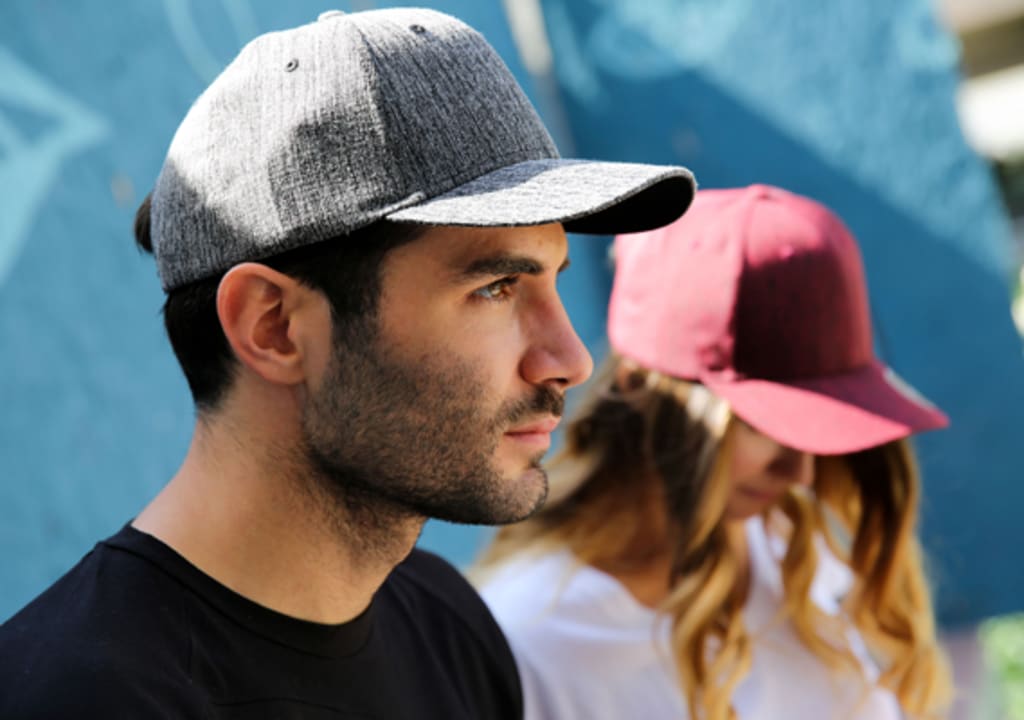
According to IMARC Group's latest research publication, the global headwear market size reached USD 23.1 Billion in 2024. Looking forward, IMARC Group expects the market to reach USD 36.3 Billion by 2033, exhibiting a growth rate (CAGR) of 4.88% during 2025–2033.
How AI Is Reshaping the Future of the Headwear Market
AI-Powered Virtual Try-On and Personalization: Brands are deploying AI-driven virtual try-on tools that help shoppers find the right fit and style online, cutting return rates and boosting purchase confidence. These tools are turning browsing into a personalized experience.
Demand Forecasting and Inventory Optimization: AI forecasting models analyze purchase trends, seasonal patterns, and influencer activity to help headwear brands align stock with real demand — reducing overstock and ensuring bestsellers stay available across channels.
Smart Headwear and Wearable Technology Integration: Machine learning is enabling the development of helmets and caps embedded with Bluetooth, fitness sensors, UV detection, and voice commands — transforming everyday headwear into multifunctional, tech-forward accessories with premium appeal.

Headwear Industry Overview
Asia-Pacific leads the global headwear market, fueled by rising disposable incomes, rapid urbanization, and growing fashion consciousness across markets like China, India, and South Korea — where nearly 440 million people actively participate in sports and fitness. The region's expanding middle class, combined with strong influencer culture and growing e-commerce penetration, is creating robust demand for both functional and fashion-forward headwear. North America remains a critical revenue contributor, backed by deep sports culture, major league partnerships, and an established premium retail ecosystem.
Headwear Market Trends & Drivers
Sports Culture and Athleisure Fueling Consistent Demand Global sports events and the athleisure movement are two of the strongest engines behind headwear sales. Caps, visors, and helmets aren't just gear — they've become merchandise, cultural symbols, and everyday fashion staples. The UK alone logged approximately 94.6 million international visits in 2024, with travel-related headwear purchases climbing alongside rising outdoor and adventure tourism.
E-Commerce and Digital Channels Transforming the Purchase Journey Online retail is reshaping how consumers discover and buy headwear. Industry projections suggest 21% of total retail sales will occur online by 2025, rising to 22.6% by 2027 — and headwear is benefiting directly from this shift. Platforms enable small and niche brands to reach global audiences, while features like virtual try-ons and personalization tools are reducing friction at checkout.
Celebrity Endorsements, Sustainability, and Smart Materials Driving Product Evolution Consumer expectations are pushing brands to innovate on multiple fronts simultaneously. When celebrities and social media influencers wear branded headwear, demand spikes and brands are engineering this effect through strategic collaborations and limited-edition drops. At the same time, sustainability is increasingly non-negotiable: over 21% of new headwear products now incorporate recycled or eco-conscious materials, and brands like Nike have launched collections made entirely from recycled polyester and organic cotton.
Leading Companies Operating in the Global Headwear Industry
Adidas AG
Boardriders
New Balance Inc.
New Era Cap Company
Nike Inc.
Pipolaki
Superdry plc
The Gap Inc.
Topgolf Callaway Brands Corp.
Under Armour Inc.
Headwear Market Report Segmentation
By Product Type:
Beanies
Headbands
Caps and Hats
Helmets
Others
Beanies currently exhibit a clear dominance in the market, driven by their versatility across fashion, outdoor, and athletic use cases.
By Application:
Casual
Medical
Tactical
Others
By Distribution Channel:
Online Stores
Offline Stores
Offline stores hold the largest market share, as consumers value the tactile experience of trying on headwear before purchasing.
Regional Insights:
North America (United States, Canada)
Asia Pacific (China, Japan, India, South Korea, Australia, Indonesia, Others)
Europe (Germany, France, United Kingdom, Italy, Spain, Russia, Others)
Latin America (Brazil, Mexico, Others)
Middle East and Africa
Asia-Pacific currently dominates the global headwear market, driven by increasing celebrity and influencer endorsements, rising fashion consciousness, and growing e-commerce penetration across the region.
Recent News and Developments in the Headwear Market
August 2025: Stormy Kromer introduced a limited wool cap collection co-branded with Midwestern university logos, reinforcing the brand's roots in American heritage manufacturing while tapping into collegiate identity and fan loyalty as a growing headwear sales channel.
July 2025: Kiko Kostadinov and New Era® dropped a vibrant green cap as the latest entry in their ongoing collaboration. Maintaining the signature "K" monogram and numbered embroidery of earlier releases, the capsule reflects how high-fashion and sportswear brands are increasingly co-creating premium headwear to tap design-conscious consumers.
January 2025: New Era Cap officially entered the Indian market with its core cap silhouettes — including the structured 59FIFTY, snapback 9FIFTY, and casual 9TWENTY — signaling a major push into Asia's fast-growing urban fashion markets where branded headwear demand is accelerating.
Note: If you require specific details, data, or insights that are not currently included in the scope of this report, we are happy to accommodate your request. As part of our customization service, we will gather and provide the additional information you need, tailored to your specific requirements. Please let us know your exact needs, and we will ensure the report is updated accordingly to meet your expectations.
About the Creator
sujeet. imarcgroup
With 2 years of hands-on experience at IMARC Group, I have conducted in-depth market research and analysis across diverse industries including technology, healthcare, agriculture, and consumer goods.
Keep reading
More stories from sujeet. imarcgroup and writers in Futurism and other communities.
Augmented Analytics Market: AI-Driven Insights, Automated Data Discovery & Industry Growth Outlook
According to IMARC Group's latest research publication, the global augmented analytics market size reached USD 15.5 Billion in 2024. Looking forward, IMARC Group expects the market to reach USD 80.4 Billion by 2033, exhibiting a growth rate (CAGR) of 19.87% during 2025-2033.
By sujeet. imarcgroupabout 12 hours ago in Futurism
GCC Bridge Construction Market Analysis: Industry Overview, Key Players & Growth Outlook
According to IMARC Group's latest research publication, GCC bridge construction market size was valued at USD 25.56 Billion in 2025. The market is projected to reach USD 40.94 Billion by 2034, exhibiting a growth rate (CAGR) of 5.38% during 2026-2034.
By Abhay Rajput7 days ago in Futurism
The battle for attention
At the end of 2023 as I was preparing to finish my bachelor's in psychology, I began the process of writing a capstone project, a sort of mini research assignment to showcase what I had learned. Because of my interest in cognitive psychology and my sincere hate for social media platforms, I presented a capstone that highlighted the negative effects of doomscrolling.
By Ana Maria Londonoabout 7 hours ago in Futurism
The Cave Part 6
If you have ever heard a tale about yourself that you cannot remember and doubtless think is made up, you will know how I felt when Tharkin related all that the eagle had seen of me before my memories were scattered. Of far distances and traveling companions that I did not recall, camping out under the stars and making our way to the mountains with deliberate purpose. The great bird had lost contact with my party once we entered the forests, and the seven other members were not seen again by him or his brethren since.
By Jamye Sharp2 days ago in Chapters




Comments
There are no comments for this story
Be the first to respond and start the conversation.