
Happiness of life, before Internet
Deep feelings

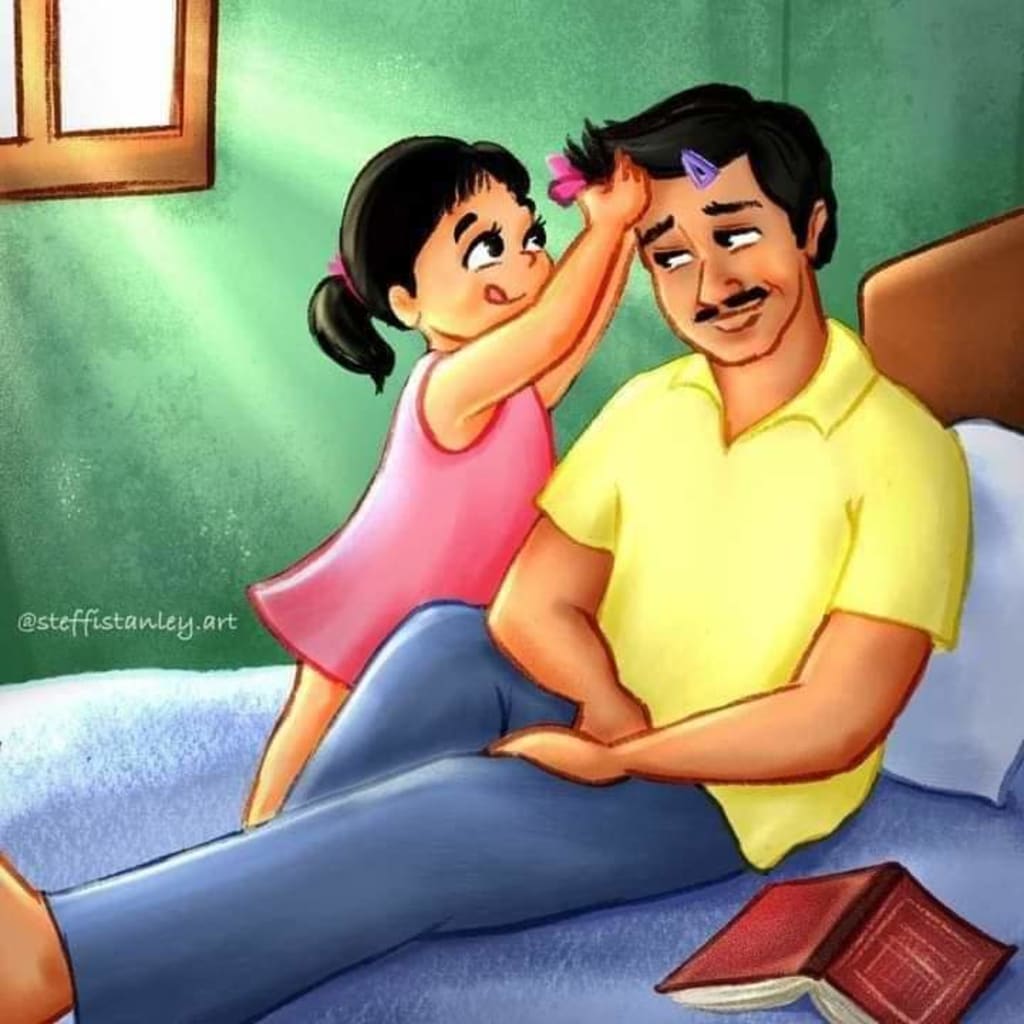
Before the internet, people found happiness in different ways than they do today. People had to rely on more traditional means of communication, such as face-to-face interactions, telephone calls, and letters. This created a deeper sense of community and closer relationships with friends and family.
People spent more time outdoors, participating in physical activities and exploring the world around them. They were more present in the moment, enjoying simple pleasures like taking a walk, gardening, or playing games with friends.
Hobbies like reading, playing music, and crafting were more prevalent, as people had more time and less distractions. They also had to rely more on their imagination and creativity, as they didn't have access to the endless entertainment options that the internet provides.
People also placed more value on face-to-face conversations, as they couldn't rely on instant messaging or social media to stay connected. They had to make an effort to see each other, which created a deeper sense of connection and intimacy.
Overall, life before the internet was less fast-paced and more focused on the present moment. People found happiness in the simplicity of life and the deep connections they formed with others. While the internet has brought many conveniences and benefits, it has also changed the way people experience happiness and interact with the world around them.
In addition to spending more time outdoors and participating in traditional hobbies, people before the internet also valued social events and gatherings more. They had to plan and coordinate with others to organize events, like dinner parties, picnics, or community festivals. These social events brought people together, allowing them to build deeper relationships and form close-knit communities.
People before the internet also had to be more resourceful and self-sufficient. They didn't have immediate access to information and had to use libraries, encyclopedias, or other reference materials to find answers to their questions. This encouraged critical thinking and problem-solving skills, as people had to learn how to find information on their own.
Before the internet, people also placed more value on privacy. They had to protect their personal information and be mindful of what they shared with others, as there was no way to control or delete information once it was shared. This allowed people to have a greater sense of control over their personal lives and kept their private information more secure.
Overall, life before the internet was slower-paced, more focused on personal relationships, and more centered on the present moment. While the internet has brought many conveniences, it has also changed the way people live, interact, and find happiness. People before the internet had to find joy in different ways, but they were often able to form deeper and more meaningful connections with others.
The internet has numerous disadvantages, including:
Addiction: The internet can be highly addictive, leading to excessive use and decreased productivity.
Cyberbullying: The internet has made bullying and harassment more prevalent and harder to escape, as it can happen 24/7.
Decreased privacy: The internet has made it easier for individuals and organizations to access and misuse personal information.
Spread of false information: The internet allows for the spread of false information, hoaxes, and conspiracy theories.
Disconnection from real-life relationships: Excessive use of the internet can lead to a decrease in face-to-face interaction and weakened real-life relationships.
Health problems: Sitting for long periods while using the internet can lead to physical health problems such as back pain and eye strain.
Economic impact: The internet has caused job loss in some industries and created income inequality, as well as facilitating financial scams and theft.
Cybercrime: The internet has made it easier for criminals to carry out cyberattacks, identity theft, and other forms of digital crime.
Social isolation: The internet can lead to social isolation and loneliness, as people spend more time online and less time in real-life interactions.
Decreased attention span: The internet and its constant barrage of information can lead to decreased attention span and decreased ability to focus.
About the Creator
Keep reading
More stories from Vinoth Sathiyavan and writers in Futurism and other communities.
TAMIL Culture
Once upon a time in southern India, there was a rich and vibrant culture called Tamil. It was a culture that valued family, education, and respect for tradition. The people of Tamil Nadu were proud of their heritage and passed down their customs and traditions from generation to generation.
By Vinoth Sathiyavan3 years ago in FYI
About Binding Prometheus
I want to start actively advocating on behalf of my own work, and the most valuable part of my canon is, without a doubt, Binding Prometheus, the play I have been working on since 2019 and only finished in 2023 as part of my MA. The play itself is an amalgamation of a million different inspirations. On one end, it evokes the Ancient Greek myth-play, deriving its own title from the earliest extant work of Western drama we have, Aeschylus’s Prometheus Bound. On the other end, it borrows significantly from the sci-fi bulwarks from over the years, namely Mary Shelley’s Frankenstein and Karel Capek’s Rossum’s Universal Robots. The play could be an episode of Black Mirror, I fear. I don’t know. I’ve only ever seen one episode of Black Mirror.
By Steven Christopher McKnight19 days ago in Futurism
Saudi Arabia Used Car Market: Rising Demand, Digital Platforms & Pricing Trends
According to IMARC Group's latest research publication, The Saudi Arabia used car market size was valued at USD 10.2 Billion in 2025. Looking forward, IMARC Group estimates the market to reach USD 17.4 Billion by 2034, exhibiting a CAGR of 6.11% from 2026-2034.
By Abhay Rajput4 days ago in Futurism
My New Book is Finally Here
My poetry collection Beautiful and Brutal Things is done. It's actually done and finally published over 270 pages. Over a year of my life went into this book. More than a year, really. Long days at my computer, sometimes seven days a week because I couldn't stop even when I probably should have. Then two months of editing that felt harder than the writing itself. But it's finished, and I'm still standing, and the book is real.
By Tim Carmichael3 days ago in BookClub




Comments
There are no comments for this story
Be the first to respond and start the conversation.