
Global Candy Market Size & Trends (2025–2033): Sweet Innovations, Premiumization, and Digital Retail Drive Global Growth
How evolving consumer preferences, festive demand, and rising health consciousness are reshaping the global confectionery landscape


The Global Candy Market continues to grow steadily, expanding from USD 65.22 billion in 2024 to an estimated USD 93.07 billion by 2033, registering a CAGR of 4.03%, according to Renub Research. This upward trajectory is fueled by rising demand for indulgent treats, innovation in flavors and packaging, and widespread adoption of premium and sugar-free confectionery products. Rapid urbanization, festive gifting culture, and strong online retail penetration further reinforce the market’s flourishing momentum.
The global confectionery category—spanning chocolates, hard candies, gummies, caramels, and mints—has established itself as a universal celebration of joy, indulgence, and culture. Whether enjoyed as personal treats, festive gifts, or impulse purchases, candies remain one of the most resilient and emotionally driven product segments in the global food and beverage industry.
Global Candy Market Overview
Candy is a sweet confection typically made from sugar, chocolate, fruits, nuts, and assorted flavorings. In the modern marketplace, candy spans a wide variety—from hard-boiled sweets and chocolates to gummies, mints, toffees, and licorice. Beyond taste, candy holds emotional and cultural significance. Events like Halloween, Christmas, Easter, and Valentine’s Day heavily boost seasonal sales in numerous countries.
The global candy market benefits from:
Rising disposable incomes
Increased retail accessibility
Brand globalization
Attractive packaging innovations
A growing gifting culture
Health-oriented product launches such as sugar-free, vegan, and organic candies
Candy symbolizes celebration and hospitality across cultures, ensuring sustained consumption across age groups and demographics. As flavor profiles evolve and premium offerings gain traction, the category continues to capture global attention.
Key Growth Drivers in the Global Candy Market
1. Rising Demand for Premium, Functional & Healthier Candy
Consumers today are shifting toward premium, artisanal, and health-friendly confectionery. This includes:
Sugar-free candies
Gluten-free treats
Vegan chocolates
Functional candy bars with added protein or vitamins
Health-conscious millennials and Gen Z buyers are central to this shift, demanding indulgence aligned with wellness lifestyle choices.
Industry Example:
In April 2025, Hormbles Chormbles launched a zero-sugar, high-protein candy bar containing 10g protein and only 100 calories, reflecting strong consumer appeal for “better-for-you” confectionery.
2. Expanding Middle-Class Population & Urbanization
The middle-class boom in emerging markets—including India, China, Indonesia, and Brazil—is accelerating candy consumption through:
Increased purchasing power
Greater exposure to international brands
Modern retail expansion
Higher impulse-buying behavior
With more than half the world’s population now living in middle-income countries, premium and mass-market candies enjoy a broadening consumer base.
3. Effective Advertising, Social Media & Seasonal Promotions
Marketing innovations have become crucial to market expansion.
Brands tap into:
Influencer partnerships
Pop culture collaborations
Limited-edition flavors
Festive collections
These initiatives create social buzz and seasonal demand peaks.
Industry Example:
In February 2025, Tic Tac introduced a viral marketing campaign for Tic Tac Chewy! through quirky video placements in tattoo parlors, courtrooms, and biker bars, appealing to diverse audiences.
Challenges Impacting the Global Candy Market
1. Growing Health Concerns and Regulatory Pressure
Rising global awareness regarding:
Obesity
Diabetes
Excess sugar consumption
is pushing governments to impose sugar taxes, mandatory nutritional labeling, and limits on targeted marketing.
Manufacturers must now innovate through:
sugar reductions
natural sweetener replacements
clean-label formulations
Reformulation increases production costs, making competitive pricing challenging.
2. Raw Material Price Volatility & Supply Chain Issues
Global uncertainties—climate change, geopolitical tensions, and logistic disruptions—affect key raw materials such as:
Cocoa
Sugar
Milk solids
Natural flavors
Fluctuating commodity prices impact profitability, manufacturing schedules, and end-user costs.
Segment Analysis: Global Candy Market
1. Chocolate Candy
Chocolate dominates the market thanks to its universal appeal and emotional connection. Trends shaping the chocolate segment include:
Premiumization (single-origin cocoa, luxury pralines)
Artisanal craftsmanship
Unconventional flavors (chili, sea salt, tropical fruits)
Ethical and sustainable sourcing
Gifting traditions during Christmas, Valentine's Day, and cultural festivals ensure persistent seasonal demand.
2. Hard-Boiled Candy
Hard candies remain strong due to:
Long shelf life
Affordable pricing
Nostalgic value
Popular in developing markets, they span fruity, minty, and spice-based flavors. Health-friendly variants using natural colors and sugar substitutes are rising in demand.
3. Mints Candy
Mints benefit from dual positioning:
Breath-freshening functional products
Everyday confectionery
Demand grows through resealable packaging, sugar-free options, and widespread availability across corporate, travel, and retail environments.
4. Convenience Store Candy Market
Convenience stores thrive on impulse purchases, aided by strategic checkout placements. Small packs, variety boxes, and single-serve offerings drive fast-moving sales.
5. Online Candy Market
Online channels are reshaping the candy landscape, offering:
Access to global and specialty brands
Subscription boxes
Gifting bundles
Personalized shopping recommendations
Digital marketing and e-commerce logistics are rapidly expanding online candy penetration.
Country-Level Insights
United States
The U.S. is the largest global candy consumer, with strong seasonal demand from Halloween, Christmas, and Easter. Trends include:
Premium chocolates
Organic candy
Sugar-free and plant-based variants
Retail channels—from supermarkets to online—remain robust.
Recent Development: In November 2024, Swedish brand Goodis launched its U.S. online store, establishing fast nationwide delivery.
France
France’s confectionery industry is defined by sophistication and quality, including:
Gourmet chocolates
High-end candies
Organic and natural sweets
Seasonal gifting boosts market value.
Industry Highlight: Ricola opened its first French boutique in Paris’s Marais district in November 2022.
India
India is one of the fastest-growing candy markets globally, driven by:
A large youth population
Innovative flavors
Affordable pricing
Rural and urban retail expansion
Recent Launch: In August 2024, Mondelez India launched Cadbury Silk Desserts, blending chocolate with brownie and plum cake textures.
Mexico
A vibrant mix of traditional and modern candies defines Mexico’s market. Tamarind, chili, and tropical flavors dominate. Rising interest in low-sugar variants and modern retail boosts growth.
Saudi Arabia
Candy demand is rising due to:
A young population
Growing preference for Western confectionery
Festive consumption during Ramadan and Eid
Strong mall and airport retail expansion
Premium chocolates and sugar-free candies are trending upward.
Market Segmentation
By Type
Chocolate Candy
Non-Chocolate Candy
Hard-Boiled Candies
Pastilles, Gums, Jellies & Chews
Toffees, Caramels & Nougat
Mints
Other Non-Chocolate Candies
By Distribution Channel
Supermarkets/Hypermarkets
Convenience Stores
Specialist Retailers
Online Retail
Other Channels
By Region
North America: United States, Canada
Europe: France, Germany, Italy, Spain, UK, Belgium, Netherlands, Turkey
Asia Pacific: China, Japan, India, Australia, South Korea, Thailand, Malaysia, Indonesia, New Zealand
Latin America: Brazil, Argentina, Mexico
Middle East & Africa: South Africa, Saudi Arabia, UAE
Leading Companies (with 4-Viewpoint Coverage)
Perfetti Van Melle Group BV
The Topps Company Inc.
Mondelez International Inc.
Haribo GmbH & Co. KG
Mars Incorporated
Ferrero Group
Nestlé SA
The Hershey Company
Grupo Arcor
Cloetta AB
Each company is evaluated through:
✔ Overview
✔ Key Persons
✔ Recent Developments & Strategies
✔ Financial Insights
Final Thoughts
The global candy market is entering an exciting phase marked by premium innovation, health-friendly formulations, and diversified retail expansion, especially across digital platforms. While regulatory pressures and raw material volatility create challenges, strong consumer loyalty and festive demand continue to anchor industry resilience.
As brands explore new flavors, textures, sustainable production, and customized gifting, the candy industry is poised to evolve into a more experiential and health-conscious segment—ensuring sweet growth through 2033 and beyond.
About the Creator
Ben Tom
Ben Tom is a seasoned content writer with 12+ years of experience creating SEO-friendly blogs, web copy, and marketing content that boosts visibility, engages audiences, and drives results.
About Binding Prometheus
I want to start actively advocating on behalf of my own work, and the most valuable part of my canon is, without a doubt, Binding Prometheus, the play I have been working on since 2019 and only finished in 2023 as part of my MA. The play itself is an amalgamation of a million different inspirations. On one end, it evokes the Ancient Greek myth-play, deriving its own title from the earliest extant work of Western drama we have, Aeschylus’s Prometheus Bound. On the other end, it borrows significantly from the sci-fi bulwarks from over the years, namely Mary Shelley’s Frankenstein and Karel Capek’s Rossum’s Universal Robots. The play could be an episode of Black Mirror, I fear. I don’t know. I’ve only ever seen one episode of Black Mirror.
By Steven Christopher McKnight18 days ago in Futurism
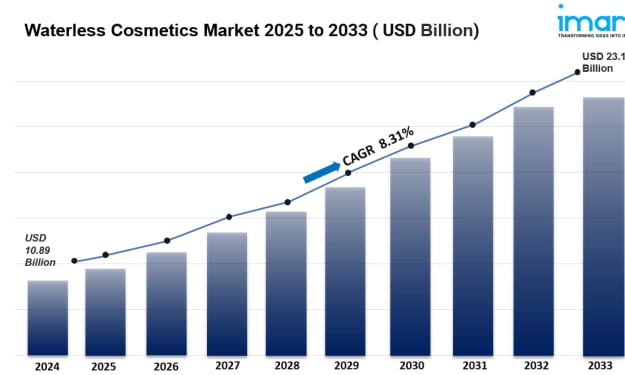
Waterless Cosmetics Market Set to Soar to USD 23.17 Billion Driven by Digital Shift and Diverse Content
Waterless Cosmetics Market – Overview The waterless cosmetics market refers to beauty and personal care products formulated without water as a primary ingredient. Instead of water, these products use alternatives like botanical extracts, oils, powders, and butters to deliver concentrated active ingredients that offer potent performance and sustainability benefits. Compared to traditional liquid formulations, waterless cosmetics reduce reliance on freshwater, minimize preservative needs, and often use more eco-friendly packaging.
By James Smith8 days ago in Futurism



Comments
There are no comments for this story
Be the first to respond and start the conversation.