

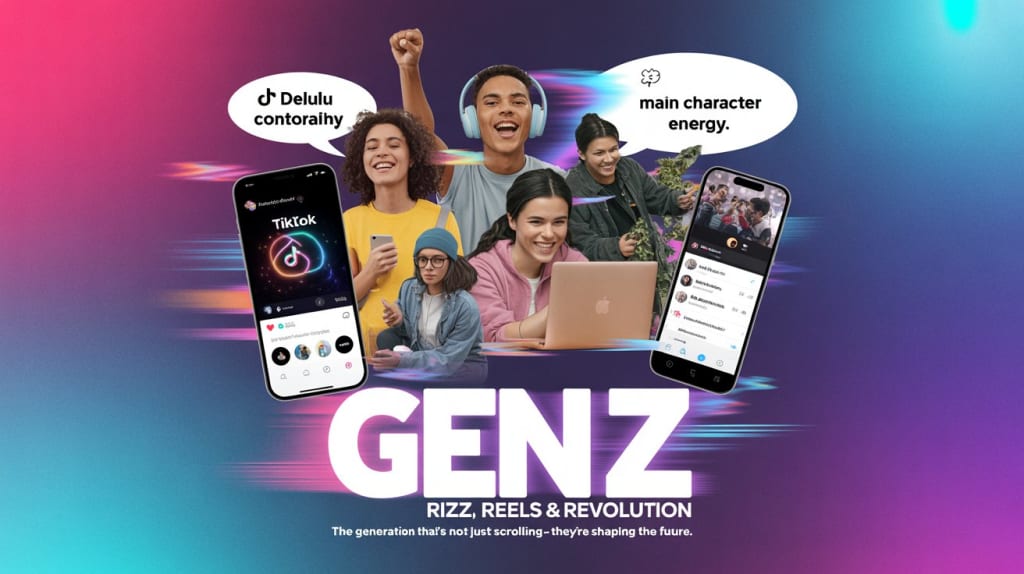
Generation Z, often abbreviated as Gen Z, refers to individuals born roughly between 1997 and 2012. Following Millennials (Gen Y), this generation has grown up in a world dominated by technology, social media, and rapid global change. As they come of age and enter the workforce, Gen Z is already influencing culture, politics, education, and the global economy. Understanding this dynamic generation is crucial for educators, employers, marketers, and policymakers.
📱 Digital Natives from Birth
One of the most defining characteristics of Gen Z is their relationship with technology. Unlike previous generations, Gen Z has never known a world without smartphones, high-speed internet, and social media. Most Gen Zers got their first smartphones before age 13, and platforms like TikTok, Instagram, Snapchat, and YouTube play a central role in their lives. Information is at their fingertips, and they are experts at multitasking, switching between apps, screens, and platforms seamlessly.
While this has made them incredibly tech-savvy, it has also brought challenges such as shorter attention spans, increased screen addiction, and rising concerns around mental health. However, their comfort with digital tools also makes them ideal for the modern, tech-driven workforce.
🌎 Diverse, Inclusive, and Socially Aware
Gen Z is the most diverse generation yet. They have grown up in multicultural societies and are more accepting of different races, genders, sexual orientations, and beliefs than previous generations. Inclusivity is not just a buzzword for them; it's an expectation. Brands, institutions, and public figures who fail to align with these values often face backlash from this socially conscious group.
Social issues like climate change, racial justice, gender equality, LGBTQ+ rights, and mental health are top priorities for Gen Z. They are vocal about their beliefs and often use digital platforms to raise awareness, organize protests, and influence political change. Greta Thunberg, the young climate activist, is a prime example of Gen Z’s bold activism.
💼 Rethinking Education and Work
The traditional path of education followed by a 9-to-5 job does not appeal to many Gen Zers. They are questioning the value of formal education, especially with the rising cost of college and the availability of alternative learning platforms like YouTube, Coursera, and Skillshare. Many are opting for non-traditional careers, freelancing, or entrepreneurship.
In the workplace, Gen Z values flexibility, purpose, diversity, and growth. They prefer working for organizations that align with their values and offer a healthy work-life balance. Remote work, hybrid setups, and digital collaboration tools are natural to them. They also prioritize mental well-being, often expecting their employers to do the same.
💰 Financially Cautious and Entrepreneurial
Growing up during the aftermath of the 2008 financial crisis and witnessing the COVID-19 pandemic, Gen Z tends to be more financially cautious than Millennials. Many of them have side hustles, invest early, and use financial tools like budgeting apps and crypto platforms. They understand the value of money and are less likely to fall for consumer debt traps.
At the same time, Gen Z is also entrepreneurial. Platforms like Etsy, Instagram, and TikTok have allowed many young people to start their own businesses, build personal brands, and become influencers or content creators at a young age.
🧠 Mental Health Awareness
One of the most discussed aspects of Gen Z is their openness about mental health. Unlike older generations, Gen Z talks about anxiety, depression, burnout, and therapy openly and honestly. This shift has helped reduce the stigma around mental health, but it has also revealed alarming trends: many Gen Zers report high levels of stress, loneliness, and emotional fatigue.
Factors like academic pressure, social media comparison, global crises, and uncertain job markets contribute to these struggles. However, Gen Z’s willingness to seek help and push for systemic change in how society handles mental health is a step in a positive direction.
📢 Redefining Communication
Communication for Gen Z is fast, visual, and often unfiltered. They favor memes, emojis, GIFs, short videos, and voice notes over long-form texts or formal emails. This new language of communication is more expressive and sometimes difficult for older generations to understand.
Attention spans are shorter — studies suggest it may be around 8 seconds — which is why platforms like TikTok have thrived. However, this doesn’t mean Gen Z is shallow; they are simply adept at absorbing large amounts of information quickly and filtering what matters most to them.
🔄 Cancel Culture and Accountability
Gen Z is the driving force behind cancel culture — the phenomenon of withdrawing support from public figures, brands, or institutions after they do something offensive or unethical. While critics argue that cancel culture can be overly harsh, Gen Z sees it as a form of holding people accountable.
They expect transparency, action, and accountability, especially from brands and influencers. Empty statements without real change are often called out and rejected.
🚀 The Future with Gen Z
As Gen Z continues to mature, their influence will only grow. They are already reshaping industries, culture, and the political landscape. Organizations that want to thrive in the coming decades must understand, respect, and engage with Gen Z — not just as consumers, but as changemakers.
Gen Z is not just the next generation. They are a generation of innovation, urgency, and authenticity — challenging norms, embracing diversity, and demanding a better world.
About the Creator
FAIZAN AFRIDI
I’m a writer who believes that no subject is too small, too big, or too complex to explore. From storytelling to poetry, emotions to everyday thoughts, I write about everything that touches life.
Keep reading
More stories from FAIZAN AFRIDI and writers in Futurism and other communities.
This Morning Routine Is Used by Billionaires—Try It for a Week
It starts at 5:00 AM. The world is still quiet. Most people are asleep, chasing dreams. But in a corner office high above the city or a quiet home in the hills, billionaires are already awake. Not checking their phones. Not hitting snooze. They’re following a pattern—a system that sets the tone for everything they achieve.
By FAIZAN AFRIDI9 months ago in Futurism
Vacuum Packaging Market Outlook: Food Preservation Demand and Growth Opportunities
According to IMARC Group's latest research publication, The global vacuum packaging market size reached USD 29.2 Billion in 2024. Looking forward, IMARC Group expects the market to reach USD 40.3 Billion by 2033, exhibiting a growth rate (CAGR) of 3.43% during 2025-2033
By Michael Richard6 days ago in Futurism
Saudi Arabia Hydroponics Industry: Smart Agriculture, Controlled Environment Farming & Food Security Growth
Rising demand for sustainable farming, busy lifestyles, and preference for fresh, pesticide-free produce are driving hydroponics adoption, supported by Vision 2030 initiatives, expanding agritech investment, and government-backed food security programs. According to IMARC Group's latest data, the Saudi Arabia hydroponics market size reached USD 145.0 Million in 2025. Looking forward, IMARC Group estimates the market to reach USD 326.1 Million by 2034, exhibiting a CAGR of 9.42% from 2026-2034.
By Kishan Kumar5 days ago in Futurism


Comments
There are no comments for this story
Be the first to respond and start the conversation.