
GCC Pickup Truck Market Analysis: Key Players and Market Forecast
How Rising Commercial Activities and Urban Development Are Boosting the GCC Pickup Truck Market

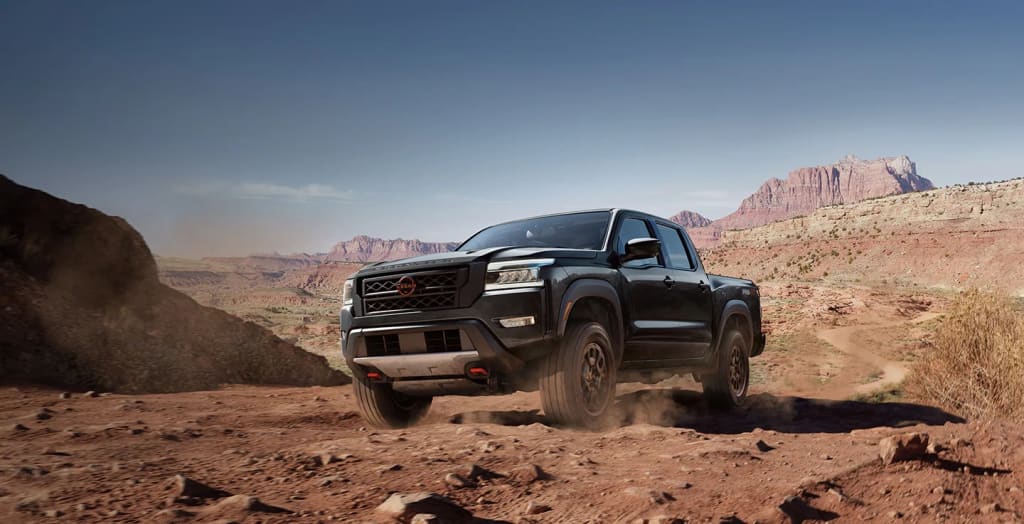
According to IMARC Group's latest research publication, the GCC pickup truck market size reached USD 4,265.9 Million in 2025. The market is projected to reach USD 6,423.5 Million by 2034, exhibiting a growth rate of 4.65% during 2026-2034.
How AI is Reshaping the Future of GCC Pickup Truck Market
- Autonomous Highway Navigation: AI-powered systems enable Level 3 autonomy for long-haul freight routes, with trucks maintaining safe distances and navigating complex highway interchanges autonomously, reducing driver fatigue on extended desert highways.
- Predictive Fleet Maintenance: Advanced analytics predict component failures before breakdowns occur, cutting commercial fleet downtime by up to 20% while scheduling proactive repairs that save GCC logistics operators millions in unplanned maintenance costs.
- Smart Route Optimization: AI monitors weather, traffic density, warehouse locations, and fuel station availability to generate optimal delivery routes, maximizing efficiency for construction and commercial fleets operating across GCC countries.
- Advanced Driver Assistance Systems: Machine learning enables real-time hazard detection, automatic emergency braking, lane-keeping assistance, and blind-spot monitoring—features now standard in 35% of new GCC pickups, dramatically improving road safety.
- AI-Enhanced Towing Intelligence: Computer vision and sensors calculate optimal towing loads, monitor trailer sway, and adjust brake distribution automatically, making heavy-duty pickups safer for construction and industrial applications across the region.
How Vision 2030 is Revolutionizing GCC Pickup Truck Industry
Vision 2030's infrastructure mega-projects are fundamentally transforming pickup truck demand across the GCC. Saudi Arabia's goal to produce 500,000 vehicles annually by that year—raised from 150,000—includes significant pickup manufacturing capacity through partnerships with the Public Investment Fund. Massive construction projects like NEOM, The Line, and Qiddiya require tens of thousands of heavy-duty trucks for transporting materials, equipment, and workers across challenging desert terrain. The UAE's Operation 300bn aims to triple industrial sector GDP contributions, directly boosting commercial vehicle sales for logistics and freight operations. Saudi Arabia's 15% autonomous vehicle target for Riyadh public transport by that deadline is pushing pickup manufacturers to accelerate self-driving technology development for commercial fleets. Meanwhile, GCC countries allocated over $100 billion to smart city initiatives, creating sustained demand for utility vehicles equipped with advanced connectivity and fleet management systems. Railway projects, renewable energy installations, and industrial zone developments across all six GCC nations ensure long-term pickup demand, particularly for electric and hybrid models aligned with regional decarbonization commitments.
Access the Latest 2026 Market Data & Forecasts
GCC Pickup Truck Market Trends & Drivers
The construction and infrastructure boom is the primary force driving GCC pickup demand. The region invested over $80 billion in construction projects, with Saudi Arabia alone accounting for more than half of all GCC building activity. Pickups are essential workhorses for these mega-projects—transporting tools, materials, and crews across sprawling construction sites where passenger vehicles can't operate. Heavy-duty models with payload capacities exceeding 1,500 kg dominate commercial purchases, particularly diesel variants favored for their torque and fuel range in remote locations. The agricultural sector across Oman and UAE also relies heavily on pickups for farm operations and produce transportation. With GCC governments mandating higher local content in infrastructure projects, domestic pickup sales are climbing as contractors build permanent vehicle fleets rather than renting equipment. The thriving oil and gas sector continues driving demand for specialized pickups equipped for desert operations and harsh industrial environments.
The lifestyle and recreational vehicle segment is exploding across wealthy GCC markets. High-net-worth individuals and adventure enthusiasts are purchasing premium pickups like the Ford F-150 Raptor, Ram TRX, and Toyota Tundra TRD Pro for dune bashing, desert camping, and off-road exploration—popular pastimes in Gulf countries. These trucks often exceed $70,000 but offer luxury SUV interiors combined with serious off-road capability including all-terrain tires, locking differentials, and high ground clearance. The rise of outdoor lifestyle content on social media platforms where 94% of GCC residents are active is fueling aspirational purchases among younger demographics. Pickup ownership has become a status symbol similar to luxury SUVs, with manufacturers responding by developing premium variants with leather interiors, advanced infotainment systems, and performance packages. Weekend desert adventures and camping trips have created a thriving aftermarket for truck accessories, lift kits, and custom modifications that personalize vehicles for individual owners.
Electrification and hybrid technology are beginning to reshape the pickup landscape, though adoption remains early-stage. With GCC governments committed to net-zero emissions targets and investing heavily in EV charging infrastructure—over $1.6 billion allocated across smart city projects—electric pickups are gaining traction for urban commercial fleets. The Ford F-150 Lightning's 10,000-pound towing capacity and 300-mile range demonstrate that electric trucks can match combustion performance while dramatically reducing operating costs for fleet operators. Fuel subsidies are being gradually reduced across GCC countries, making electric alternatives economically compelling for high-mileage commercial users. However, range anxiety and charging infrastructure gaps in rural areas currently limit electric pickup sales primarily to urban zones and government fleets piloting sustainable transportation initiatives. Hybrid pickups like the Toyota Tundra Hybrid offer a practical middle ground, delivering improved fuel efficiency without range limitations—particularly attractive for businesses balancing sustainability goals with operational requirements across GCC's vast distances and extreme temperatures.
GCC Pickup Truck Market Industry Segmentation
The report has segmented the market into the following categories:
Fuel Type Insights:
- Diesel
- Petrol
- Electric
- Others
Vehicle Type Insights:
- Light-Duty
- Heavy-Duty
Application Insights:
- Individual Use
- Commercial Use
Country Insights:
- Saudi Arabia
- United Arab Emirates
- Qatar
- Kuwait
- Oman
- Bahrain
Competitive Landscape
The competitive landscape of the industry has also been examined along with the profiles of the key players.
Recent News and Developments in GCC Pickup Truck Market
- January 2025: General Motors trucks outsold Ford F-Series in combined sales for the fifth consecutive year, with GM commanding 40% of the full-size truck segment through Chevrolet Silverado and GMC Sierra combined deliveries exceeding 885,000 units.
- March 2025: Ram Trucks launched an aggressive recovery strategy with a 10-year/100,000-mile warranty and returned the 5.7-liter Hemi V-8 engine, helping rebound sales by 16.8% after struggling with the problematic 2025 Ram 1500 launch.
- June 2025: BYD launched the Shark hybrid pickup truck in Pakistan at approximately $70,420, marking the company's strategic expansion into emerging markets with electric and hybrid commercial vehicles targeting construction and logistics sectors.
- October 2025: Ford announced plans to increase F-Series production capacity by 50,000 units annually, responding to sustained demand and aiming to reclaim market leadership as the F-Series maintained its position as America's best-selling vehicle nameplate.
- December 2024: Kodiak Robotics became the first company to launch commercial driverless autonomous truck operations in the United States, operating on private lease roads in West Texas and providing driver-as-a-service solutions for heavy-duty logistics.
Note: If you require specific details, data, or insights that are not currently included in the scope of this report, we are happy to accommodate your request. As part of our customization service, we will gather and provide the additional information you need, tailored to your specific requirements. Please let us know your exact needs, and we will ensure the report is updated accordingly to meet your expectations.
About the Creator
Abhay Rajput
I am working in market research company that provides market and business research intelligence across the globe.
Keep reading
More stories from Abhay Rajput and writers in Futurism and other communities.
Saudi Arabia Grinding Wheels Market Analysis: Key Players and Market Forecast
According to IMARC Group's latest research publication, Saudi Arabia grinding wheels market size was valued at USD 48.3 Million in 2025 and is projected to reach USD 77.3 Million by 2034, exhibiting a growth rate (CAGR) of 5.35% during 2026-2034.
By Abhay Rajputa day ago in Futurism
About Binding Prometheus
I want to start actively advocating on behalf of my own work, and the most valuable part of my canon is, without a doubt, Binding Prometheus, the play I have been working on since 2019 and only finished in 2023 as part of my MA. The play itself is an amalgamation of a million different inspirations. On one end, it evokes the Ancient Greek myth-play, deriving its own title from the earliest extant work of Western drama we have, Aeschylus’s Prometheus Bound. On the other end, it borrows significantly from the sci-fi bulwarks from over the years, namely Mary Shelley’s Frankenstein and Karel Capek’s Rossum’s Universal Robots. The play could be an episode of Black Mirror, I fear. I don’t know. I’ve only ever seen one episode of Black Mirror.
By Steven Christopher McKnight20 days ago in Futurism
Solar-Powered UAV Market: Zero-Fuel Operations, Long-Duration Missions & Growth Drivers
According to IMARC Group's latest research publication, global solar-powered UAV market size reached USD 401.0 Million in 2024. Looking forward, IMARC Group expects the market to reach USD 867.3 Million by 2033, exhibiting a growth rate (CAGR) of 8.5% during 2025-2033.
By Andrew Sullivan5 days ago in Futurism




Comments
There are no comments for this story
Be the first to respond and start the conversation.