
GCC Personal Luxury Goods Market Analysis: Industry Overview, Key Players & Future Outlook
How Rising Disposable Incomes and Lifestyle Aspirations Are Driving the GCC Personal Luxury Goods Market

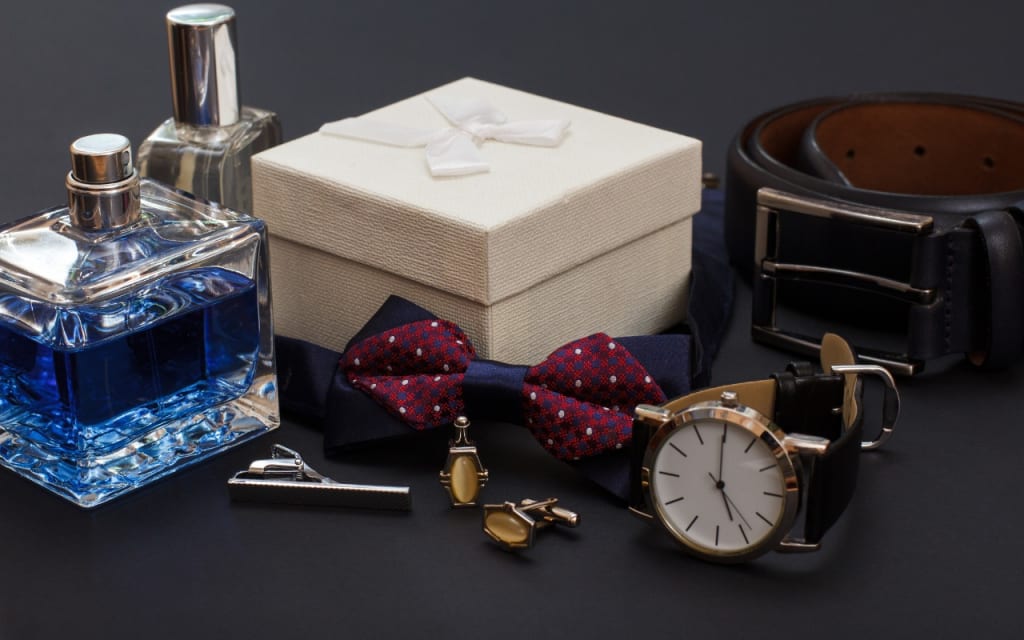
According to IMARC Group's latest research publication, GCC personal luxury goods market size reached USD 10.3 Billion in 2024. The market is projected to reach USD 14.7 Billion by 2033, exhibiting a growth rate of 3.82% during 2025-2033.
How AI is Reshaping the Future of GCC Personal Luxury Goods Market
- Hyper-Personalized Shopping Experiences: AI analyzes customer preferences, purchase history, and behavior patterns to deliver tailored product recommendations with 56% of luxury consumers expecting personalized service, matching each shopper's unique style instantly.
- Virtual Shopping Assistants: AI-powered chatbots like Ralph Lauren's "Ask Ralph" provide 24/7 styling advice, outfit suggestions, and product information, creating seamless digital-first experiences that convert 84% faster than traditional methods.
- Authenticity Verification: Platforms like Entrupy use AI to authenticate luxury items with 99.1% accuracy by analyzing microscopic details, protecting consumers and brands while enabling the USD 7 billion secondhand luxury market.
- Trend Forecasting and Inventory Optimization: Machine learning processes vast datasets to predict micro-trends and consumer demands, enabling brands to optimize stock levels, reduce waste, and launch limited collections that resonate with target audiences.
- Enhanced In-Store Clienteling: AI empowers sales advisors with real-time customer insights, special occasion reminders, and purchase histories, enabling white-glove service at scale and building deeper emotional connections with high-value clients.
Request a Preview Report with the Most Recent Industry Data
GCC Personal Luxury Goods Market Trends & Drivers:
The GCC luxury market is experiencing robust growth driven by a young, affluent population with strong purchasing power. According to the General Authority for Statistics, approximately 71% of Saudi Arabia's population is younger than 35 years old, showing strong preferences for high-end fashion and accessories as expressions of individuality and status. This demographic benefits from relatively high disposable incomes, viewing luxury items not only as lifestyle choices but also as status symbols deeply rooted in social culture. Rising working women population and Western fashion trend adoption are catalyzing demand across apparel, watches, jewelry, and cosmetics categories. The European Free Trade Agreement (EFTA) with GCC states enables seamless trade of luxury goods from Italy and France, while the region's high-end gifting culture during Eid, weddings, and business events drives consistent year-round demand, encouraging brands to curate exclusive collections and premium packaging strategies.
Tourism expansion and retail infrastructure development are creating unprecedented opportunities for luxury brands throughout the region. Qatar welcomed 2.6 million international visitors in the first half of 2025, with tourists drawn to luxury malls, tax-free shopping, and world-renowned hospitality in cities like Dubai, Abu Dhabi, and Doha. Shopping festivals and tourism campaigns attract high-spending international visitors who view luxury purchases as souvenirs and personal indulgences. Flagship stores of premium brands cater directly to this demand, with over 70% of established market transactions still occurring in-store despite nearly one-third of luxury sales projected online. The growing footfall from diverse nationalities generates significant sales, while the expansion of mono-brand stores, specialty boutiques, and departmental stores across premium locations enhances brand visibility and accessibility. High-end gifting traditions during festivals drive consistent purchase patterns, with people spending lavishly to maintain social ties and honor cultural customs.
Digital transformation and e-commerce expansion are revolutionizing luxury shopping experiences across the GCC. Internet penetration reaching 9.46 million users in the UAE alone supports seamless online transactions and social media engagement, with influencers and content creators showcasing products to create aspirational value among young buyers. Luxury brands invest heavily in digital marketing, collaborating with local influencers to reach target audiences effectively through platforms that generate awareness and trust. Virtual try-ons, shoppable videos, and livestream shopping attract younger luxury consumers, while AI-driven personalization enables customization of products like engraved watches, monogrammed handbags, and bespoke fragrances. Over 90% of shoppers now use online-only retailers monthly, with brands offering exclusive online launches and limited-edition capsule collections. The demand for personalized experiences drives premium spending, as customers willing to pay extra for items reflecting personal style and identity deepen emotional connections with brands, supporting long-term growth and loyalty.
GCC Personal Luxury Goods Market Industry Segmentation:
The report has segmented the market into the following categories:
Type Insights:
- Accessories
- Apparel
- Watch and Jewellery
- Luxury Cosmetics
- Others
Gender Insights:
- Female
- Male
Distribution Channel Insights:
- Mono-brand Stores
- Specialty Stores
- Departmental Stores
- Online Stores
- Others
Country Insights:
- Saudi Arabia
- United Arab Emirates
- Qatar
- Kuwait
- Oman
- Bahrain
Competitive Landscape:
The competitive landscape of the industry has also been examined with some of the key players being Burberry Group PLC, Chanel S.A., Estee Lauder Companies, Giorgio Armani SpA, Kering S.A., Loreal, LVMH Moët Hennessy Louis Vuitton SE, Mulberry Group PLC, Prada Group, Cie Financiere Richemont SA, The Swatch Group, and Versace.
Recent News and Developments in GCC Personal Luxury Goods Market
- August 2025: Arif Mohammad, the founder of the multinational conglomerate 4AM Group, revealed the debut of a luxury watch brand worth USD 83 Million, in partnership with one of the globe's most legendary Swiss watch manufacturers. This innovative premium brand was set to provide Swiss accuracy and striking design, accessible via exclusive flagship stores in Dubai, Riyadh, London, and Mumbai.
- July 2025: Titan Company obtained a 67% ownership interest in Damas LLC, a luxury jeweler located in Dubai. The agreement was valued at USD 283.2 Million. This purchase would enhance Titan's footprint in the Gulf Cooperation Council nations.
- January 2025: The Cultural Development Fund of Saudi Arabia, together with the Fashion Commission, welcomed luxury fashion designer Brunello Cucinelli to AlUla, Saudi Arabia. The event bolstered the Fund's aim to aid creatives and entrepreneurs in the cultural industry by encouraging knowledge sharing and promoting sustainability.
- January 2025: Sotheby's was set to showcase a collection of luxury jewelry at its inaugural auction in Saudi Arabia, featuring a pair of diamond earrings anticipated to sell for as much as USD 800,000. The set designed by Graff included a pear-shaped, 9.39-carat, D-color, VVS1-clarity diamond that could potentially be internally flawless.
- November 2024: Al Majed Jewellery, a prominent name in luxury watches and jewelry in Doha, Qatar, launched a new timepiece influenced by the realm of comedy from the Swiss-French watchmaker Reservoir: the limited edition Reservoir Popeye, with only 30 pieces. This exclusive version, drawing inspiration from Qatar, represented the golden sand dunes of its desert and the native wildlife, personified by the falcon and the oryx.
- September 2024: In a significant tribute to celebrate Saudi Arabia's 94th National Day, TAG Heuer, the prestigious Swiss luxury watchmaker, launched two exclusive limited edition watches 'the TAG Heuer Carrera Day Date KSA Limited Edition 41mm and the TAG Heuer Carrera Date KSA Limited Edition 29mm', which embodied the country's vibrant cultural legacy and enduring traditions. The TAG Heuer Carrera Day Date KSA Limited Edition 41mm showcased a dial with a green, smoked sunray-brushed pattern that evoked the Kingdom's varied terrains.
Note: If you require specific details, data, or insights that are not currently included in the scope of this report, we are happy to accommodate your request. As part of our customization service, we will gather and provide the additional information you need, tailored to your specific requirements. Please let us know your exact needs, and we will ensure the report is updated accordingly to meet your expectations.
About the Creator
Abhay Rajput
I am working in market research company that provides market and business research intelligence across the globe.
Keep reading
More stories from Abhay Rajput and writers in Futurism and other communities.
Egypt Natural Gas Market: Industry Overview, Key Players & Future Outlook
According to IMARC Group's latest research publication, Egypt natural gas market size reached USD 3.8 Billion in 2025. The market is projected to reach USD 7.1 Billion by 2034, exhibiting a growth rate of 6.69% during 2026-2034.
By Abhay Rajputabout 9 hours ago in Futurism
Lithium-ion Battery Industry Outlook: EV Demand & Capacity Expansion Trends
Rising demand for electric vehicles, renewable energy storage, and portable electronic devices is driving growth in the lithium-ion battery market. Advancements in energy density, charging efficiency, and battery management systems enhance performance and reliability. According to IMARC Group's latest research publication, The global lithium-ion battery market size was valued at USD 53.96 Billion in 2024. Looking forward, IMARC Group estimates the market to reach USD 140.51 Billion by 2033, exhibiting a CAGR of 11.14% during 2025-2033
By Michael Richarda day ago in Futurism



Comments
There are no comments for this story
Be the first to respond and start the conversation.