
GCC Home Decor Market Analysis: Industry Overview, Key Players & Future Outlook
Shaping the Future: How Growing Disposable Income is Driving the GCC Home Decor Market

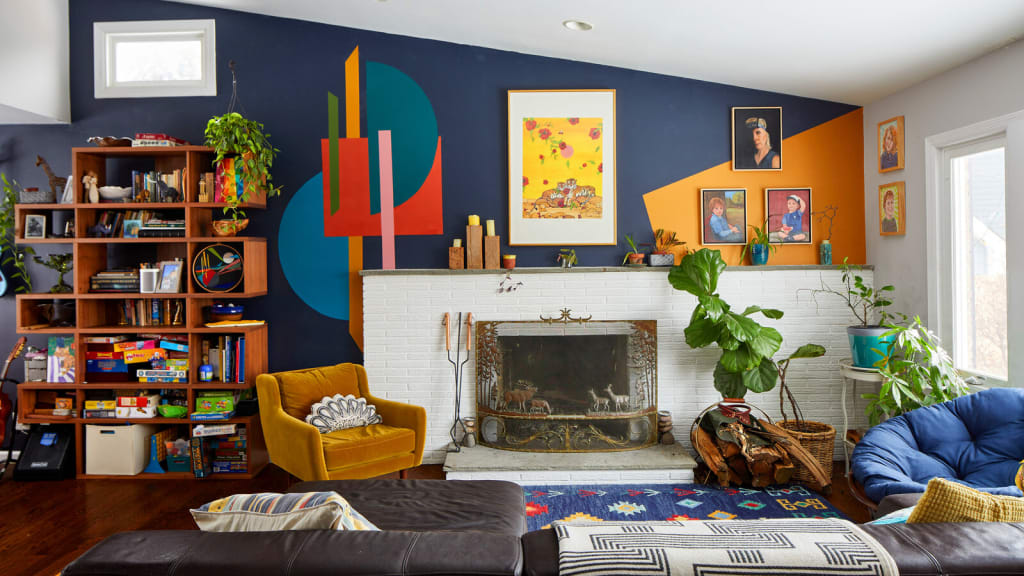
According to IMARC Group's latest research publication, GCC home decor market size reached USD 14,946 Million in 2024. The market is projected to reach USD 22,530 Million by 2033, exhibiting a growth rate (CAGR) of 4.7% during 2025-2033.
How AI is Reshaping the Future of GCC Home Decor Market
- Virtual Room Design and Visualization: AI-powered platforms allow consumers to visualize furniture and decor in their spaces instantly through AR applications, increasing online conversion rates by 40% while reducing return rates for retailers across UAE and Saudi Arabia.
- Personalized Design Recommendations: Machine learning algorithms analyze customer preferences and room dimensions to generate tailored design suggestions in seconds, enabling retailers to offer bespoke solutions that blend modern aesthetics with traditional GCC cultural elements efficiently.
- Smart Home Integration and Automation: AI-driven smart lighting, climate control, and voice-activated systems are transforming homes into intelligent environments, with IoT-enabled furniture and automated decor adjustments enhancing comfort and energy efficiency throughout the region.
- Enhanced Shopping Experience with 3D Rendering: AI generates photorealistic 3D room models and instant design variations, allowing customers to experiment with different layouts, color schemes, and furniture arrangements before purchase, streamlining decision-making for luxury buyers.
- Sustainable Material Selection: AI simulates eco-friendly design options using recycled and sustainable materials, supporting green building initiatives and helping GCC consumers make environmentally conscious choices that align with regional decarbonization goals.
Access the Sample Report for Current Insights and Forecasts
How Vision 2030 is Revolutionizing GCC Home Decor Industry
Vision 2030 programs across the Gulf are fundamentally transforming the home decor landscape through massive infrastructure investments and economic diversification. Saudi Arabia's ambitious plan to increase homeownership from 47% to 70% has triggered the construction of hundreds of thousands of new residential units, while giga-projects like NEOM, The Line, and Qiddiya demand extensive furnishing solutions blending contemporary design with cultural authenticity. The UAE's parallel initiatives, including Dubai's 50,000 completed residential units and 80,000 under construction, are creating sustained demand for modern, personalized living spaces. Beyond housing, the region's tourism push—with Saudi Arabia targeting 100 million visitors annually—is driving unprecedented investment in hospitality interiors, with roughly 600,000 hotel rooms under development representing a substantial fit-out pipeline. These national visions are also promoting local manufacturing through incentives and localization policies, attracting international brands while strengthening domestic production capabilities. The emphasis on smart cities, sustainable development, and premium branded residences is elevating design standards across residential and commercial segments, positioning the GCC as a dynamic hub for innovative, culturally-resonant home decor that serves both growing local populations and discerning international investors.
GCC Home Decor Market Trends & Drivers:
The GCC home decor market is experiencing robust expansion driven by rapid urbanization and population growth creating millions of new households across major cities. Economic prosperity has elevated disposable incomes significantly, with Saudi Arabia's per capita income reaching USD 21,000, enabling consumers to invest in premium and luxury decor items that reflect their evolving lifestyles. The region's exposure to global design trends through media, travel, and digital platforms has created strong demand for contemporary international aesthetics, with consumers seeking to blend modern minimalism with traditional cultural elements in their homes. The digital transformation of retail is reshaping purchasing behaviors, as e-commerce penetration jumped 53% in UAE during the recent expansion period, with online furniture sales growing over 25% across the GCC in recent years. Platforms now offer augmented reality visualization and financing options, making it easier for consumers in remote areas to access diverse product ranges and premium brands previously unavailable locally.
The booming real estate sector continues fueling demand, particularly in UAE and Saudi Arabia where mixed-use developments integrating retail, residential, and recreational spaces are proliferating. Dubai alone completed over 50,000 residential units with another 80,000 under construction, while Saudi Arabia's construction spending hit USD 150 billion with an USD 850 billion pipeline through upcoming years. These developments require continuous furnishing solutions for both homeowners and commercial spaces. The growing expatriate population and youthful demographics are driving market expansion as households increasingly seek to personalize living spaces with versatile, multifunctional furniture suitable for urban apartments. Cultural significance remains paramount, as GCC residents take pride in decorating homes to reflect heritage and values, sustaining strong demand for traditional-inspired decor alongside modern pieces. The emphasis on sustainable, eco-friendly materials is gaining momentum, with over 40% of new UAE developments incorporating sustainability features including low-emission furniture and recycled content materials, aligning with regional green building standards.
Government initiatives promoting non-oil sector growth have created favorable conditions for the home decor industry through infrastructure development, tourism promotion, and foreign investment attraction. Smart home technology adoption is accelerating, with over 1.5 million Saudi households equipped with IoT-enabled automation for lighting, climate control, and security systems. The branded residences segment is expected to grow more than 60% by upcoming years, driving demand for hotel-grade finishes and elevated material palettes in private homes. Specialty retailers maintain strong market positions through curated selections and expert consultation, though e-commerce channels are posting the highest growth rates due to convenience, extensive variety, and competitive pricing. The convergence of hospitality and residential design standards is raising expectations, with consumers increasingly demanding the same comfort, material richness, and spatial planning traditionally associated with high-end hotels. This sophisticated consumer base, combined with ongoing mega-project developments and supportive government policies, ensures sustained momentum for premium, culturally-resonant home decor products throughout the region.
GCC Home Decor Market Industry Segmentation:
The report has segmented the market into the following categories:
Product Type Insights:
- Home Furniture
- Home Textiles
- Flooring
- Wall Decor
- Lighting
- Others
Distribution Channel Insights:
- Home Decor Stores
- Supermarkets and Hypermarkets
- Online Store
- Gift Shops
- Others
Country Insights:
- Saudi Arabia
- UAE
- Qatar
- Bahrain
- Kuwait
- Oman
Competitive Landscape:
The competitive landscape of the industry has also been examined along with the profiles of the key players.
Recent News and Developments in GCC Home Decor Market
- February 2025: Christie's International Real Estate entered the Saudi Arabian market through a partnership with tech company Wasalt, aiming to serve the Kingdom's growing luxury property market and capitalize on rising high-end real estate demand driven by Vision 2030 developments.
- February 2025: Major GCC furniture retailers integrated AI-powered virtual showrooms and augmented reality applications, enabling customers to visualize furniture in their homes, resulting in 40% increase in online sales conversion rates across the region.
- March 2025: Leading furniture manufacturers in UAE and Saudi Arabia adopted 3D printing technology and AI-driven design tools for customized furniture production, reducing manufacturing time by 35% while meeting individual customer preferences and cultural requirements.
- May 2025: Downtown Design Dubai launched Downtown Design Riyadh, Saudi Arabia's first design trade show, reflecting the Kingdom's emergence as a major design destination and strengthening regional collaboration within the creative industries.
- September 2025: Sedar Global expanded its presence at INDEX Saudi 2025, showcasing advanced window and wall décor solutions including smart-home automation, pergolas, and contemporary designs tailored to the Kingdom's booming hospitality and residential fit-out market.
Note: If you require specific details, data, or insights that are not currently included in the scope of this report, we are happy to accommodate your request. As part of our customization service, we will gather and provide the additional information you need, tailored to your specific requirements. Please let us know your exact needs, and we will ensure the report is updated accordingly to meet your expectations.
About the Creator
Abhay Rajput
I am working in market research company that provides market and business research intelligence across the globe.
Keep reading
More stories from Abhay Rajput and writers in Futurism and other communities.
GCC Camel Dairy Market Analysis: Industry Overview, Key Players & Future Outlook
According to IMARC Group's latest research publication, GCC camel dairy market size reached USD 765.1 Million in 2024. The market is projected to reach USD 1,083.0 Million by 2033, exhibiting a growth rate (CAGR) of 3.94% during 2025-2033.
By Abhay Rajputa day ago in Futurism
Pasta Market Overview: Size, Share, Trends And Forecast
Pasta Market Overview The global pasta market represents a significant segment of the processed food industry, driven by increasing consumer demand for affordable, convenient, and versatile meal options. Pasta is widely consumed across households and foodservice sectors due to its long shelf life, easy preparation, and compatibility with diverse cuisines. The market is witnessing continuous evolution with the introduction of healthier product varieties such as whole-grain, gluten-free, organic, and high-protein pasta. Global pasta consumption continues to expand as Western food habits spread in emerging economies and ready-to-cook packaged food gains popularity. Market projections suggest steady long-term growth, supported by increasing adoption of premium and functional pasta products.
By James Smitha day ago in Futurism




Comments
There are no comments for this story
Be the first to respond and start the conversation.