
GCC Footwear Market: Insights into Changing Consumer Preferences and Fashion Trends
How the GCC Footwear Market is Benefiting from Increased Disposable Income

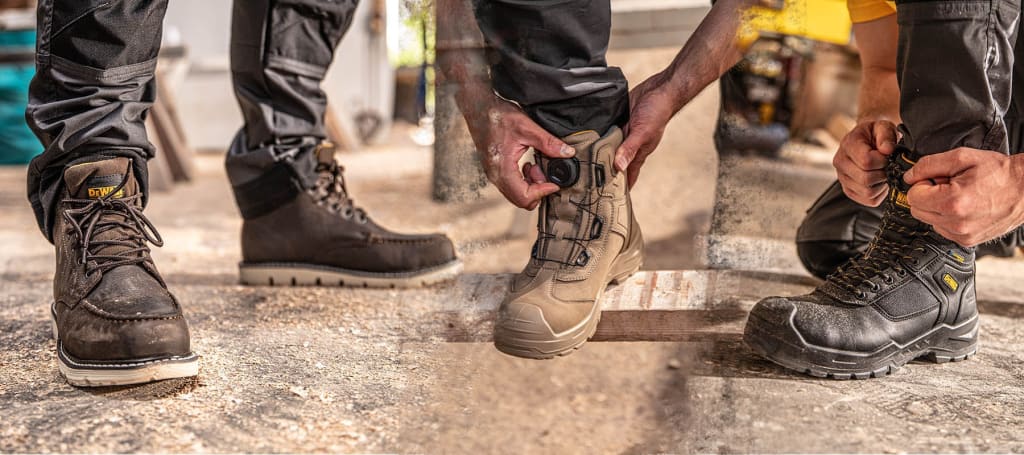
According to IMARC Group's latest research publication, GCC footwear market size reached USD 4.9 Billion in 2024. The market is projected to reach USD 6.8 Billion by 2033, exhibiting a growth rate of 3.41% during 2025-2033.
How AI is Reshaping the Future of GCC Footwear Market
- AI-Powered Personalization and Recommendations: Smart chatbots analyze browsing history and preferences to recommend styles, colors, and sizes based on personal taste and biometric measurements, increasing purchase likelihood and brand loyalty significantly.
- 3D Foot Scanning and Virtual Fitting: Advanced scanning technology like Volumental captures foot measurements in seconds, reducing return rates substantially through precise fitting while Nike Fit provides AR-based 3D imaging for spot-on sizing recommendations.
- Inventory Management and Demand Forecasting: AI analyzes sales data across thousands of stores to forecast demand, optimize stock levels, and prevent overstock situations, processing massive datasets to predict market shifts and adjust production volumes efficiently.
Explore Market Trends with a Free Sample Report
GCC Footwear Market Trends & Drivers:
The GCC footwear market is experiencing robust growth driven by rising fashion consciousness and inflating disposable incomes boosting demand for both luxury and casual footwear. Rapid urbanization and expansive shopping malls alongside e-commerce platforms facilitate easy access to diverse footwear products. Seasonal sales promotions and shopping festivals like Dubai Shopping Festival further stimulate consumer spending. Growing tourism across the GCC increases demand for comfortable and stylish footwear from visitors. Health and wellness trends significantly influence the market as heightened interest in fitness activities drives sports footwear demand. The region's large expatriate population and diverse consumer base create demand for varied styles across price points, from affordable mass-market options to premium designer brands, ensuring robust sales across all segments and demographics throughout the year.
E-commerce sector growth represents a fundamental shift in consumer shopping behaviors, with more customers purchasing shoes online rather than visiting physical stores. UAE e-commerce jumped 53% to USD 3.9 billion, amplified by convenience and safety of shopping from home in the post-pandemic era. Robust digital platforms offer wide arrays of footwear options, user-friendly interfaces, and enhanced services like virtual try-ons and easy returns. AI technologies streamline customer interactions through chatbots providing product recommendations and support. Platforms analyze massive sales data to forecast demand and optimize stock levels. International brands and global travel agencies collaborate with local retailers, while participation in international travel and tourism expos enhances visibility and attracts worldwide audiences. Loyalty programs foster customer retention and encourage repeat purchases, with competitive landscapes compelling brands to innovate and refine offerings continuously.
The athleisure trend and health awareness are fueling sports and athletic footwear popularity throughout the GCC region. Consumers increasingly engage in fitness activities and adopt healthier lifestyles, creating higher demand for footwear supporting athletic performance and casual health-oriented lifestyles. Footwear brands innovate and expand sports shoes and athleisure offerings, meeting both functional and fashion needs. Leather holds the largest market share due to durability, comfort, and luxury appeal aligning with regional preferences for style and quality. Non-athletic footwear dominates with versatile options for everyday wear, formal occasions, and work environments. Women represent the largest consumer segment, requiring diverse footwear for different occasions from high heels and ballet flats to boots and sandals. Saudi Arabia leads the GCC market with significant population size, strong economic status, and well-developed retail sectors featuring numerous luxury and mainstream shopping destinations attracting both local residents and expatriates.
GCC Footwear Market Industry Segmentation:
The report has segmented the market into the following categories:
Product Insights:
- Non-Athletic Footwear
- Athletic Footwear
- Non-athletic footwear accounts for the majority of market share.
Material Insights:
- Rubber
- Leather
- Plastic
- Fabric
- Others
Leather holds the largest share due to durability, comfort, and luxury appeal.
Distribution Channel Insights:
- Footwear Specialists
- Supermarkets and Hypermarkets
- Departmental Stores
- Clothing Stores
- Online Sales
- Others
Footwear specialists represent the leading market segment.
Pricing Insights:
- Premium
- Mass
Mass segment holds the largest market share.
End User Insights:
- Men
- Women
- Kids
Women represent the predominant market segment.
Country Insights:
- Saudi Arabia
- UAE
- Qatar
- Oman
- Kuwait
- Bahrain
Saudi Arabia leads the market, accounting for the largest market share.
Competitive Landscape:
The competitive landscape of the GCC footwear market is characterized by a mix of local and international brands vying for dominance. Key players leverage strong retail presence, both through physical stores and online platforms, to capture consumer interest. The market research report has also provided a comprehensive analysis of the competitive landscape. Detailed profiles of all major companies have been provided.
Recent News and Developments in GCC Footwear Market
- May 2024: Nike partnered with the Olympic Refuge Foundation to support displaced youth in accessing sports. The collaboration involves financial contributions to aid the Foundation's programs, including providing training and competition uniforms for refugee athletes at the Paris 2024 Olympics. The initiative aims to impact 7,000 young people in Paris by 2025 and expand to reach one million displaced youth globally, promoting the benefits of safe sport for mental health and community integration.
- April 2024: New Balance reintroduced the 1000 shoe model and unveiled British rapper Dave as its latest brand ambassador. This collaboration expands New Balance's roster of original talent, with Dave set to represent the brand alongside the relaunch of the 1000, showcasing a blend of style and celebrity endorsement in their marketing strategy.
Note: If you require specific details, data, or insights that are not currently included in the scope of this report, we are happy to accommodate your request. As part of our customization service, we will gather and provide the additional information you need, tailored to your specific requirements. Please let us know your exact needs, and we will ensure the report is updated accordingly to meet your expectations.
About the Creator
Abhay Rajput
I am working in market research company that provides market and business research intelligence across the globe.
Keep reading
More stories from Abhay Rajput and writers in Futurism and other communities.
UAE Luxury Hotel Industry Overview: Market Share, Leading Brands & Future Projections
According to IMARC Group's latest research publication, UAE luxury hotel market size reached USD 597.3 Million in 2024. The market is projected to reach USD 950.7 Million by 2033, exhibiting a growth rate (CAGR) of 5.3% during 2025-2033.
By Abhay Rajputabout 11 hours ago in Futurism
Upper Limb Prosthetics Market Report: Technological Advances & Growth Outlook
According to IMARC Group's latest research publication, global upper limb prosthetics market size reached USD 807.7 Million in 2024. Looking forward, IMARC Group expects the market to reach USD 1,223.7 Million by 2033, exhibiting a growth rate (CAGR) of 4.49% during 2025-2033.
By sujeet. imarcgroup2 days ago in Futurism
Saudi Arabia Battery Charger Market Trends: Fast-Charging Adoption, EV Demand & Market Outlook to 2034
According to IMARC Group's latest research publication, Saudi Arabia battery charger market size reached USD 260.3 Million in 2025. The market is projected to reach USD 371.6 Million by 2034, exhibiting a growth rate (CAGR) of 4.04% during 2026-2034.
By Kishan Kumara day ago in Futurism




Comments
There are no comments for this story
Be the first to respond and start the conversation.