
Saudi Arabia Battery Charger Market Trends: Fast-Charging Adoption, EV Demand & Market Outlook to 2034
Powering electrification through advanced charging technologies as EV adoption, smart energy management, and infrastructure investments reshape Saudi Arabia’s evolving battery charger ecosystem.

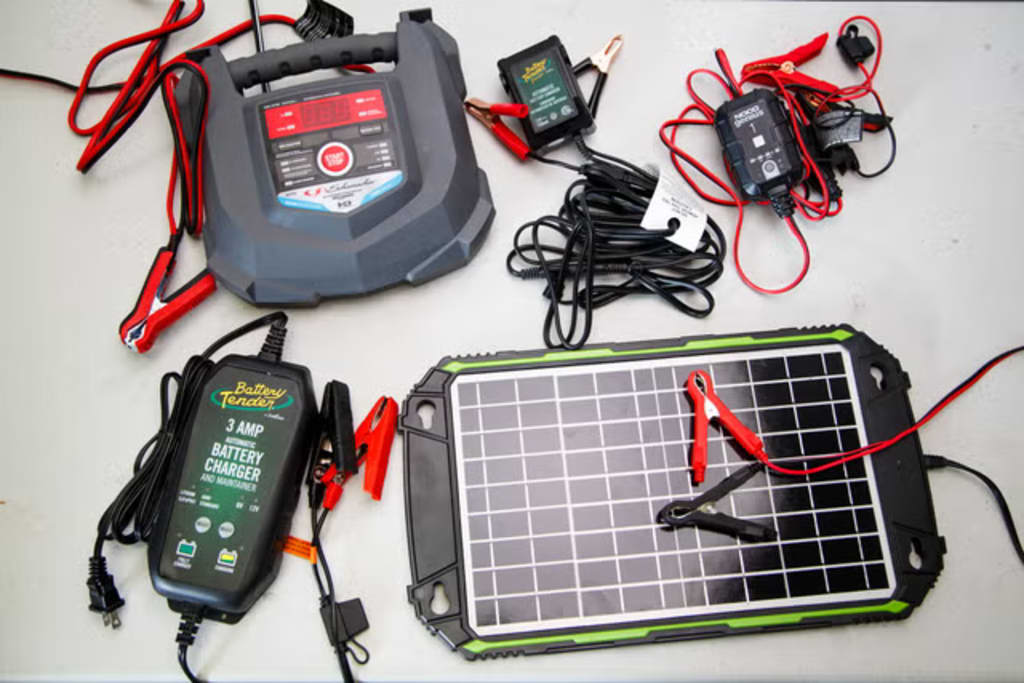
According to IMARC Group's latest research publication, Saudi Arabia battery charger market size reached USD 260.3 Million in 2025. The market is projected to reach USD 371.6 Million by 2034, exhibiting a growth rate (CAGR) of 4.04% during 2026-2034.
How AI is Reshaping the Future of Saudi Arabia Battery Charger Market
- Predictive Charging Optimization: AI algorithms analyze usage patterns and battery health in real-time, optimizing charge rates and extending lifespan by up to 30%, crucial for Saudi Arabia's expanding EV fleet and consumer electronics.
- Smart Grid Integration and Load Balancing: Machine learning enables dynamic load management across charging networks, forecasting demand with over 90% accuracy and reducing energy costs by up to 40% through off-peak charging optimization.
- Adaptive Thermal Management Systems: AI-powered temperature control adjusts cooling mechanisms in extreme desert conditions, preventing battery degradation and ensuring safe, reliable charging performance across Saudi Arabia's diverse climate zones.
- Predictive Maintenance for Charging Infrastructure: AI detects anomalies and predicts equipment failures before they occur, reducing downtime and automatically scheduling repairs, ensuring the reliability of fast-growing public and private charging networks.
- Vehicle-to-Grid Optimization: AI manages bidirectional energy flow, allowing EVs to supply power back to the grid during peak demand periods, supporting Saudi Arabia's renewable energy integration goals and grid stability initiatives.
How Vision 2030 is Revolutionizing Saudi Arabia Battery Charger Industry
Saudi Arabia's Vision 2030 is fundamentally transforming the battery charger market through massive infrastructure investments and strategic policy initiatives. The government aims to have 30% of Riyadh's vehicles electric by 2030, backed by over $50 billion in EV manufacturing and infrastructure development. The Electric Vehicle Infrastructure Company (EVIQ), a joint venture between the Public Investment Fund and Saudi Electricity Company, plans to deploy over 5,000 fast chargers across 1,000 locations nationwide. Major projects like NEOM, The Line, and King Abdullah Economic City are creating guaranteed demand for advanced charging solutions. Partnerships with global manufacturers like Lucid Motors (establishing a 155,000 unit-per-year facility) and the homegrown Ceer brand (targeting 170,000 units annually) are building a complete EV ecosystem. The government's mandatory requirements for new real estate developments to include EV charging infrastructure, combined with financial incentives and SASO technical standards for equipment safety and compatibility, create a supportive regulatory environment. This coordinated approach positions Saudi Arabia as a regional leader in electric mobility and sustainable energy, driving exponential growth in battery charger demand across residential, commercial, and public sectors.
Saudi Arabia Battery Charger Market Trends & Drivers:
The Saudi battery charger market is experiencing significant growth driven by the rapid expansion of electric vehicle adoption and government-backed infrastructure development. Vision 2030's ambitious target of 30% EV adoption in Riyadh by 2030 creates immediate demand for residential, workplace, and public charging solutions. EVIQ's deployment plan for 5,000 fast chargers across 1,000 strategic locations establishes the foundational network. Real estate developers are now mandated to integrate charging infrastructure in new projects, expanding the residential charging market. Meanwhile, increasing consumer electronics usage—smartphones, laptops, tablets, and wearables—drives sustained demand for portable and home charging devices. The market benefits from low electricity costs (around $0.04 per kWh), making EV charging economically attractive. Additionally, growing public awareness of sustainability, combined with financial incentives and tax breaks for EV buyers, accelerates the shift toward electrification. Megaprojects like NEOM require cutting-edge charging technology, while highway charging stations along routes like the 900 km Riyadh-Makkah corridor address range anxiety and enable intercity EV travel.
Industrial automation and commercial fleet electrification are creating substantial demand for specialized battery chargers. Warehousing and logistics sectors increasingly rely on electric forklifts, automated guided vehicles, and material handling equipment requiring fast, intelligent charging systems. The oil and gas industry is exploring battery-powered solutions for remote operations, necessitating rugged, high-capacity chargers designed for harsh environments. Public transportation electrification initiatives, including plans for over 6 million annual passengers on electric intercity buses across 76 routes, require large-scale depot charging infrastructure. Smart manufacturing facilities deploying robotics and IoT devices need uninterruptible power systems with advanced battery management. Fleet operators seek solutions with remote monitoring, usage analytics, and automated scheduling to optimize operational efficiency. The growing adoption of renewable energy systems also drives demand for battery chargers integrated with solar installations and energy storage systems, supporting Saudi Arabia's broader clean energy transition and carbon reduction goals aligned with the Saudi Green Initiative.
Technological innovation and localization initiatives are reshaping the competitive landscape. Manufacturers are developing chargers specifically engineered for extreme desert conditions, featuring enhanced thermal management, dust protection, and humidity resistance. Wireless charging technology is gaining traction in residential and premium vehicle segments, offering convenience and reducing wear on physical connectors. The shift toward fast-charging technology (Level 3 DC chargers delivering over 50 kW) addresses consumer concerns about charging time, with new solutions capable of 80% charges in under 30 minutes. SASO certification requirements ensure all equipment meets stringent safety and compatibility standards, creating barriers to entry while ensuring quality. Local R&D facilities, such as EVIQ's testing center in Riyadh, focus on climate-specific adaptations and performance validation. Strategic partnerships between international technology providers and Saudi entities facilitate knowledge transfer and build domestic manufacturing capabilities. Dynamic pricing models powered by AI optimize revenue for charging operators while providing flexible options for users, making the charging ecosystem more economically sustainable and scalable as adoption accelerates.
Saudi Arabia Battery Charger Market Industry Segmentation:
The report has segmented the market into the following categories:
Application Insights:
- Smartphones
- Laptops
- Electric Vehicles
- Tablets
- Digital Cameras
- Feature Phones
- Others
Category Insights:
- OEM
- Replacement
Product Type Insights:
- Wired
- Wireless
Regional Insights:
- Northern and Central Region
- Western Region
- Eastern Region
- Southern Region
Competitive Landscape:
The competitive landscape of the industry has also been examined along with the profiles of the key players.
Recent News and Developments in Saudi Arabia Battery Charger Market
- February 2026: Rechargeable battery charger market surges with IoT-enabled smart models, offering 20% faster charging via AI optimization for industrial and consumer uses in expanding KSA logistics.
- November 2025: XCharge partners with Electromin to deploy advanced ultra-fast EV battery chargers across Saudi Arabia, leveraging 360 kW liquid-cooled tech to cut charging times by 70%, aligning with Vision 2030's green mobility push.
- October 2025: Automotive battery investments hit USD 39 billion under Vision 2030, driving innovations in fast-charging stations with 30% EV adoption targets, enhancing grid stability via bidirectional tech.
- July 2025: Government allocates USD 156.1 million for nationwide battery charger infrastructure, spurring local production by firms like Alfanar amid 4,500 MW renewable integration boosting smart charger demand.
- June 2025: Battery cost reductions enable 1.5 million EV deployments, powering charger networks with high-efficiency lithium-ion systems that improve energy recovery by 25% in urban Riyadh setups.
Note: If you require specific details, data, or insights that are not currently included in the scope of this report, we are happy to accommodate your request. As part of our customization service, we will gather and provide the additional information you need, tailored to your specific requirements. Please let us know your exact needs, and we will ensure the report is updated accordingly to meet your expectations.
About the Creator
Kishan Kumar
My name is Kishan Roy and I am a market analyst having 5 years of experience and a skilled researcher with a keen eye for consumer trends and data-driven insights.
Keep reading
More stories from Kishan Kumar and writers in Futurism and other communities.
Saudi Arabia Subscription Box Market: Personalized Experiences, E-Commerce Growth & Consumer Retention
According to IMARC Group’s latest research publication, the Saudi Arabia subscription box market size reached USD 349.5 Million in 2025. Looking forward, IMARC Group expects the market to reach USD 1,125.0 Million by 2034, exhibiting a growth rate (CAGR) of 13.87% during 2026-2034.
By Kishan Kumar5 days ago in Futurism
Digital Therapeutics Industry Outlook: Investment Trends & Growth Drivers
According to IMARC Group's latest research publication, global digital therapeutics market size reached USD 7.1 Billion in 2024. Looking forward, IMARC Group expects the market to reach USD 28.7 Billion by 2033, exhibiting a growth rate (CAGR) of 16.8% during 2025–2033.
By sujeet. imarcgroup3 days ago in Futurism




Comments
There are no comments for this story
Be the first to respond and start the conversation.