
Galaxies: The Vast Islands of the Universe
Exploring the Formation, Types, and Mysteries of Cosmic Structures
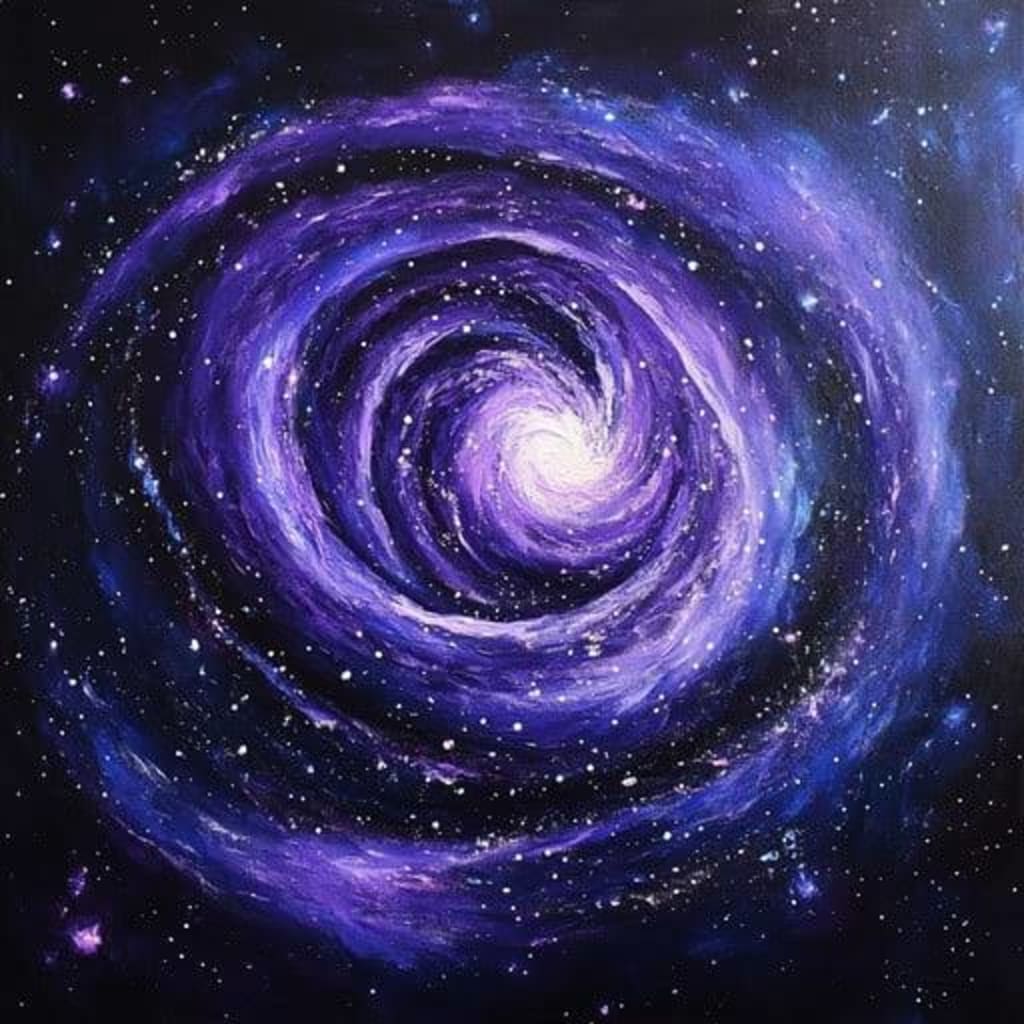
Galaxies are among the most magnificent and fascinating phenomena in the universe. They are vast cosmic islands composed of stars, gas, dust, and dark matter, bound together by gravity. Their immense size and diversity provide crucial insights into the origins and evolution of the cosmos. From spiral galaxies like our Milky Way to irregular galaxies that defy conventional forms, the study of these celestial structures continues to fuel our quest for understanding the universe.
Formation of Galaxies
The birth of galaxies is intricately linked to the origins of the universe itself. Shortly after the Big Bang, about 13.8 billion years ago, the universe was a hot, dense mixture of particles and energy. As it expanded and cooled, matter began to clump together due to gravitational attraction. These dense regions of matter eventually formed stars, which grouped into protogalaxies. Over billions of years, these protogalaxies merged and evolved into the diverse structures we observe today.
The process of galaxy formation is influenced by several factors, including the distribution of dark matter, the availability of gas, and the impact of gravitational interactions. Dark matter, which constitutes about 27% of the universe's mass-energy content, plays a pivotal role. Its gravitational pull helps to shape the structure and behavior of galaxies, even though it remains invisible and mysterious.
Types of Galaxies
Astronomers classify galaxies into four primary types based on their shapes and structures:
1.Spiral Galaxies: These galaxies, like the Milky Way and Andromeda, have a flat, disk-like structure with a central bulge and spiral arms. The arms are regions of active star formation and are rich in gas and dust. Spiral galaxies often have a well-defined structure and are relatively young compared to other types.
2.Elliptical Galaxies: These galaxies range from nearly spherical to elongated shapes. They contain older stars and little gas or dust, making star formation rare. Elliptical galaxies are often found in galaxy clusters and are thought to form through the merging of smaller galaxies.
3.Irregular Galaxies: These galaxies lack a distinct shape and often appear chaotic. They are typically smaller and less massive than spiral or elliptical galaxies. Irregular galaxies can be rich in gas and dust, making them fertile grounds for new star formation.
4.Lenticular Galaxies: These galaxies serve as a bridge between spiral and elliptical galaxies. They have a disk-like structure but lack the prominent spiral arms. Lenticular galaxies contain older stars and limited gas and dust.
The Role of Galaxies in the Universe
Galaxies are more than just collections of stars and cosmic material; they are the building blocks of the universe. They serve as laboratories for studying fundamental processes such as star formation, supernovae, and the behavior of black holes. Supermassive black holes, often found at the centers of galaxies, are particularly intriguing. Their immense gravitational influence affects the motion of stars and gas within the galaxy and may play a role in regulating galaxy growth.
Galaxies also provide a window into the past. Because light takes time to travel, observing distant galaxies allows astronomers to look back in time and study the early stages of the universe. For example, the James Webb Space Telescope has captured images of galaxies that formed just a few hundred million years after the Big Bang, offering valuable clues about the universe's infancy.
Galaxy Clusters and Superclusters
Galaxies rarely exist in isolation. They are often found in groups, clusters, or even larger structures known as superclusters. Galaxy clusters can contain hundreds or thousands of galaxies bound together by gravity. The largest known structure in the universe, the Hercules–Corona Borealis Great Wall, is a supercluster spanning billions of light-years.
The interactions between galaxies within clusters can lead to fascinating phenomena, such as galactic mergers and the stripping of gas and stars. These interactions shape the evolution of galaxies and contribute to the cosmic tapestry of the universe.
Unsolved Mysteries
Despite significant advancements in our understanding of galaxies, many mysteries remain. The nature of dark matter and its role in galaxy formation and behavior is one of the most pressing questions. Additionally, the processes governing the formation and growth of supermassive black holes are still not fully understood.
Another mystery involves dark energy, the force driving the accelerated expansion of the universe. This enigmatic phenomenon affects the distribution and behavior of galaxies on a cosmic scale, challenging our understanding of fundamental physics.
Conclusion
Galaxies are the universe's grandest creations, showcasing its complexity, beauty, and mystery. By studying these cosmic structures, astronomers gain insights into the forces and processes that govern the cosmos. As technology advances and our telescopes probe deeper into space, the secrets of galaxies promise to unlock new chapters in humanity's exploration of the universe.
About the Creator
About Binding Prometheus
I want to start actively advocating on behalf of my own work, and the most valuable part of my canon is, without a doubt, Binding Prometheus, the play I have been working on since 2019 and only finished in 2023 as part of my MA. The play itself is an amalgamation of a million different inspirations. On one end, it evokes the Ancient Greek myth-play, deriving its own title from the earliest extant work of Western drama we have, Aeschylus’s Prometheus Bound. On the other end, it borrows significantly from the sci-fi bulwarks from over the years, namely Mary Shelley’s Frankenstein and Karel Capek’s Rossum’s Universal Robots. The play could be an episode of Black Mirror, I fear. I don’t know. I’ve only ever seen one episode of Black Mirror.
By Steven Christopher McKnight16 days ago in Futurism
The Era of Agentic AI
For the past three years, we’ve been smitten with "prompt engineering." We’ve interacted with AI as we would an oracle in an "answer cave": we came before its text box, articulated a question thoughtfully, and then waited for an answer. However, as we find ourselves in 2026, so is the passing of the era of "static prompts." We are now in the "Age of Agentic AI."
By Artical Media5 days ago in Futurism


Comments
There are no comments for this story
Be the first to respond and start the conversation.