
Fruit Pulp Market: Smoothies & Juices Popularity, Fruit-Based Ingredients & Growth Outlook
Fruit Pulp Market driven by rising popularity of smoothies and juices, increasing use of fruit-based ingredients in food and beverages, and growing consumer demand for natural, clean-label, and convenient fruit products.

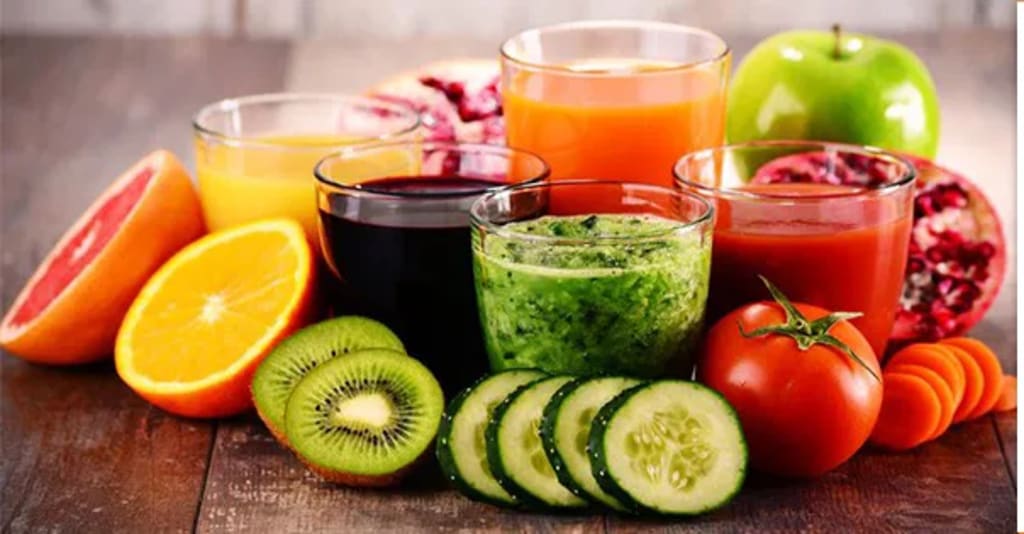
According to IMARC Group's latest research publication, The global fruit pulp market size reached USD 1.52 Billion in 2024. Looking forward, IMARC Group expects the market to reach USD 2.11 Billion by 2033, exhibiting a growth rate (CAGR) of 3.38% during 2025-2033.
How AI is Reshaping the Future of Fruit Pulp Market
- Automated Quality Control and Defect Detection: AI-powered vision systems instantly analyze color, size, texture, and firmness to identify surface defects and quality issues. These systems detect blemishes, contamination, and spoilage that human inspectors often miss, ensuring consistent grading standards and reducing rejection rates at packhouses.
- Real-Time Ripeness Assessment and Harvest Optimization: Computer vision algorithms classify fruits into unripe, ripe, overripe, or rotten categories with 98% accuracy. This technology helps growers determine optimal harvest timing, processors select appropriate fruits for pulping, and distributors maintain product quality throughout the supply chain.
- Predictive Processing and Shelf-Life Extension: Machine learning models analyze sensor data to predict equipment failures and optimize pulp extraction parameters. AI systems automatically adjust processing conditions like temperature and pressure, extending product shelf life while maintaining nutritional integrity and reducing post-harvest losses.
Fruit Pulp Industry Overview:
The fruit pulp processing sector is experiencing transformative growth backed by substantial government support and infrastructure investments. India's Production Linked Incentive (PLI) Scheme for Food Processing has accelerated investments in aseptic pulp extraction and packaging technologies, with the country accounting for nearly 40% of global mango pulp exports. Multiple Indian and Thai processors commissioned new aseptic packing lines targeting premium export markets. AGRANA Beteiligungs-AG announced significant investments in fruit preparation facilities in Austria and India, strengthening value-added processing capabilities and farm-to-facility integration.
Fruit Pulp Market Trends & Drivers
The explosive growth in health-conscious consumption is reshaping product formulations across the fruit pulp sector. Manufacturers are capitalizing on clean-label trends, with 67% of consumers actively seeking products with natural ingredients according to CDC data. Companies like Coca-Cola achieved billion-dollar brand status with Maaza, their mango-based fruit drink, highlighting the commercial strength of pulp-based beverages. In January, Sahyadri Farms partnered with Karnataka's Centre of Excellence for FPOs to strengthen 1,460 farmer producer organizations, focusing on value chain development for mango, banana, grapes, and pomegranates. Nestlé introduced fruit pulp-based snacks catering to on-the-go nutrition demands, while Koa partnered with Altinmarka to launch Cacaonly, a chocolate beverage line using upcycled cocoa fruit pulp instead of added sugar from smallholder farms in Ghana.
Processing innovation and export competitiveness are transforming market dynamics through technological advancement and strategic investments. In June, SHJUMP introduced a next-generation fruit pulp separator designed for difficult-to-process fruits like apricots and prunes, enhancing yield while maintaining quality with adjustable settings for various textures. Döhler GmbH expanded its fruit ingredient portfolio with new aseptic pulp product systems aimed at beverage and dairy manufacturers. Government export promotion programs have helped domestic pulp manufacturers access international markets, with export values increasing by 28% according to the Bureau of Economic Analysis. Aseptic processing techniques now dominate global trade, comprising approximately 43.9% of total volume, enabling longer shelf life while preserving nutritional value and flavor integrity. Cold chain infrastructure investments are reducing post-harvest losses, with improved port logistics supporting Asia Pacific's evolution into a key global supplier.
Sustainability initiatives and circular economy models are opening new revenue streams while addressing environmental concerns. By-products from fruit processing including peels, seeds, and pomace are being utilized to produce pectin, dietary fiber, and natural colorants, generating incremental revenue estimated at 8-10% of total processor income. The USDA's Special Supplemental Nutrition Program for Women, Infants, and Children has increased demand for nutritious products containing natural fruit pulps, while the FDA's GRAS designations for various fruit extracts have opened pharmaceutical and nutraceutical applications. The EPA's sustainable agriculture initiatives encourage eco-friendly processing technologies, with packaging innovations like SABIC's bio-renewable solutions reducing carbon footprints. Companies integrating circular-economy approaches are building stronger partnerships with multinational food brands, supported by favorable government policies including tax incentives and agricultural subsidies stabilizing raw material costs.
Leading Companies Operating in the Global Fruit Pulp Industry:
- ABC Fruits
- Allanasons Private Limited
- Capricorn Food Products India Limited
- Iprona Spa
- Jadli Foods (India) pvt. Ltd.
- Keventer Agro Limited
- Mysore Fruits Products Limited
- Pursuit Industries Pvt Ltd
- Shimla Hills Offerings Private Limited
- Sun Impex International Foods LLC
- Sunrise Natural Private Limited
- Tropifruit GmbH & Co. KG
Fruit Pulp Market Report Segmentation:
By Fruit Type:
- Mango
- Strawberry
- Apple
- Guava
- Berries
- Citrus Fruits
- Others
Mango currently holds the majority of the total market share.
By Form:
- Liquid
- Dry
Liquid exhibits a clear dominance in the market.
By Application:
- Food
- Beverages
The beverage sector currently accounts for the majority of the global market share.
By Distribution Channel:
- Supermarkets and Hypermarkets
- Convenience Stores
- Online Retail
- Others
Online retail holds the largest market share.
Regional Insights:
- North America (United States, Canada)
- Asia Pacific (China, Japan, India, South Korea, Australia, Indonesia, Others)
- Europe (Germany, France, United Kingdom, Italy, Spain, Russia, Others)
- Latin America (Brazil, Mexico, Others)
- Middle East and Africa
North America currently dominates the global market due to high consumer demand for nutritious and minimally processed foods.
Recent News and Developments in Fruit Pulp Market
- April 2025: Koa partnered with Altinmarka to debut "Cacaonly", a chocolate and ready-to-drink beverage line made using upcycled cocoa fruit pulp instead of added sugar. The launch highlights growing interest in sustainable, fruit-based sweeteners sourced from smallholder farms in Ghana.
- March 2025: Döhler GmbH expanded its fruit ingredient portfolio with new aseptic pulp product systems aimed at beverage and dairy manufacturers. The expansion strengthens the company's position in value-added fruit ingredients and addresses growing global demand for premium processing solutions.
- January 2025: Sahyadri Farms and the Centre of Excellence for FPOs (CoE-FPO) inked a Memorandum of Understanding (MoU) to fortify more than 1,460 FPOs in Karnataka, India, with a focus on crops like mango, banana, grapes, and pomegranates. The partnership emphasizes value chain development and post-harvest management to improve quality and supply.
- June 2024: SHJUMP introduced a next-gen fruit pulp separator designed to efficiently process difficult fruits such as apricots and prunes. The equipment enhanced yield, maintained fruit quality, and offered adjustable settings to suit various pulp textures and applications.
- September 2024: AGRANA Beteiligungs-AG announced significant investments in its fruit preparation and pulp production facilities in Austria and India. The initiative strengthened its position in the value-added fruit ingredient sector and enhanced vertical integration from farm to processing.
Note: If you require specific details, data, or insights that are not currently included in the scope of this report, we are happy to accommodate your request. As part of our customization service, we will gather and provide the additional information you need, tailored to your specific requirements. Please let us know your exact needs, and we will ensure the report is updated accordingly to meet your expectations.
About the Creator
James Whitman
With years of experience in analyzing global industries, I specialize in delivering actionable market insights that help businesses stay ahead in an ever-changing landscape.
Keep reading
More stories from James Whitman and writers in Futurism and other communities.
Corporate Wellness Market: Mental Health Awareness, Holistic Wellness Solutions & Growth Outlook
According to IMARC Group's latest research publication, The global corporate wellness market size was valued at USD 70.65 Billion in 2024. Looking forward, IMARC Group estimates the market to reach USD 128.18 Billion by 2033, exhibiting a CAGR of 6.14% during 2025-2033.
By James Whitmana day ago in Futurism
About Binding Prometheus
I want to start actively advocating on behalf of my own work, and the most valuable part of my canon is, without a doubt, Binding Prometheus, the play I have been working on since 2019 and only finished in 2023 as part of my MA. The play itself is an amalgamation of a million different inspirations. On one end, it evokes the Ancient Greek myth-play, deriving its own title from the earliest extant work of Western drama we have, Aeschylus’s Prometheus Bound. On the other end, it borrows significantly from the sci-fi bulwarks from over the years, namely Mary Shelley’s Frankenstein and Karel Capek’s Rossum’s Universal Robots. The play could be an episode of Black Mirror, I fear. I don’t know. I’ve only ever seen one episode of Black Mirror.
By Steven Christopher McKnightabout a month ago in Futurism
Why the Universe Looks Too Smooth to Be Born by Chance
When we imagine the birth of the Universe, we often picture something violent and chaotic: a sudden explosion of energy, matter flying in all directions, randomness ruling everything. Intuitively, such a beginning should leave behind a messy, uneven cosmos. Yet when astronomers observe the Universe on the largest possible scales, they see something very different. The Universe looks remarkably smooth, balanced, and orderly — almost too orderly for a purely random origin.
By Holianyk Ihor4 days ago in Futurism




Comments
There are no comments for this story
Be the first to respond and start the conversation.