
Designing for Tomorrow: The Future of Furniture in a Changing World
Innovating for Sustainability, Technology, and Evolving Lifestyles
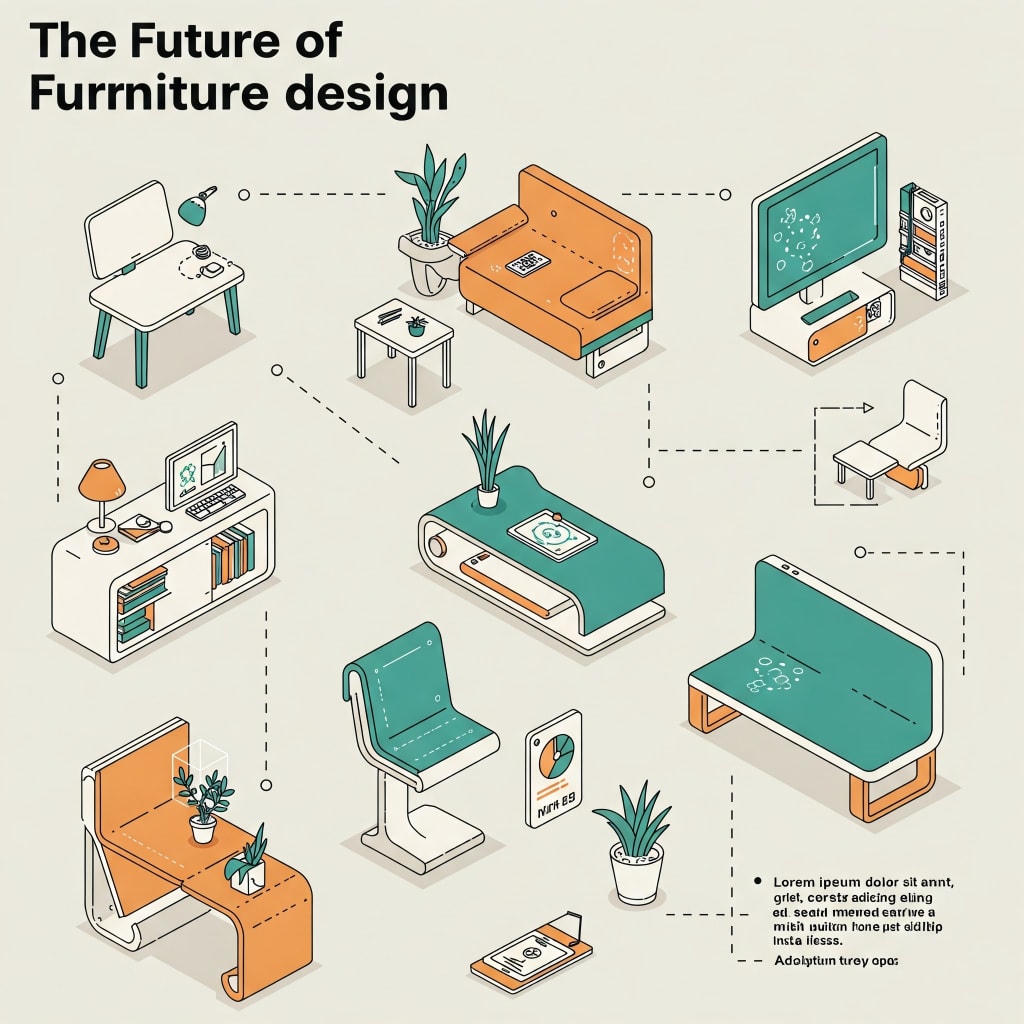
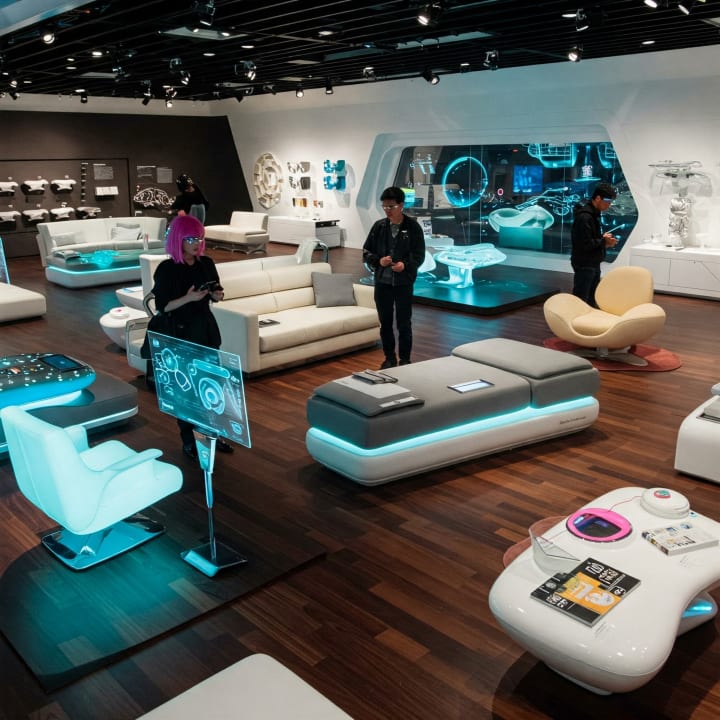
The world is constantly evolving, and so is the way we approach design, particularly when it comes to furniture. As we move further into the 21st century, the furniture industry is experiencing significant transformations driven by various factors such as sustainability, technological advancements, and changing lifestyles. The future of furniture design promises to be a fusion of innovation, functionality, and eco-consciousness, shaping the way we live, work, and interact with our surroundings.
Sustainable Design: A Necessity, Not a Trend
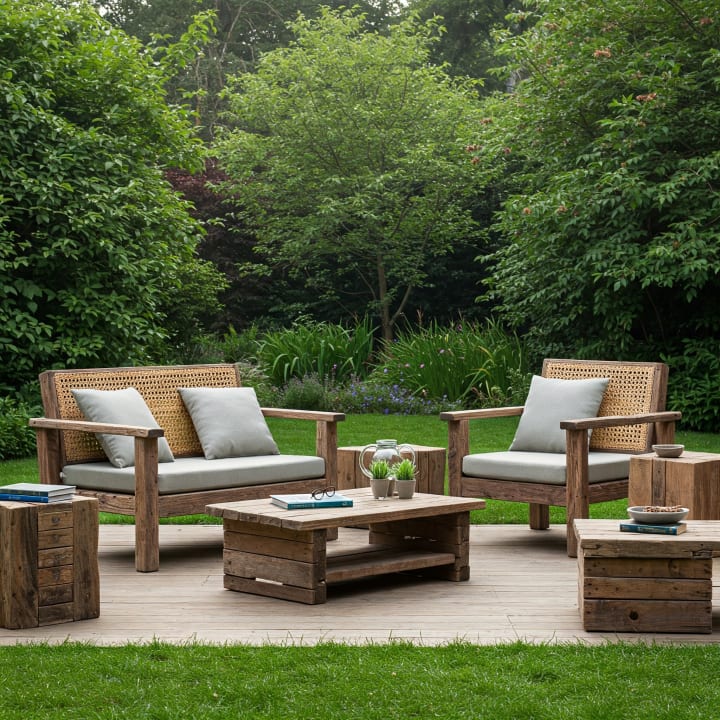
One of the most critical shifts in the furniture industry is the move toward sustainability. With environmental concerns at the forefront of global discourse, there is increasing pressure on industries to reduce waste and make eco-friendly choices. The future of furniture design will prioritize the use of sustainable materials, such as recycled metals, biodegradable plastics, and responsibly sourced wood. Designers will increasingly turn to materials like hemp, cork, and bamboo, which have a much lower environmental impact than traditional alternatives.
Additionally, furniture manufacturers are rethinking the entire lifecycle of a product. The concept of "circular design" is gaining traction, where furniture is not only designed to be long-lasting but also easy to repair, refurbish, or recycle. This approach reduces the volume of furniture waste that ends up in landfills, contributing to a more sustainable future for the industry.
Smart Furniture: Integrating Technology into Design
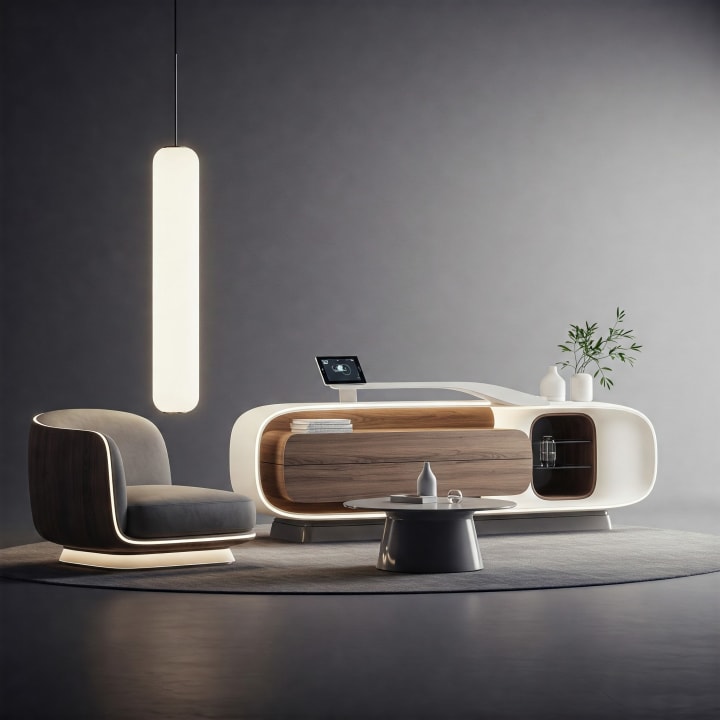
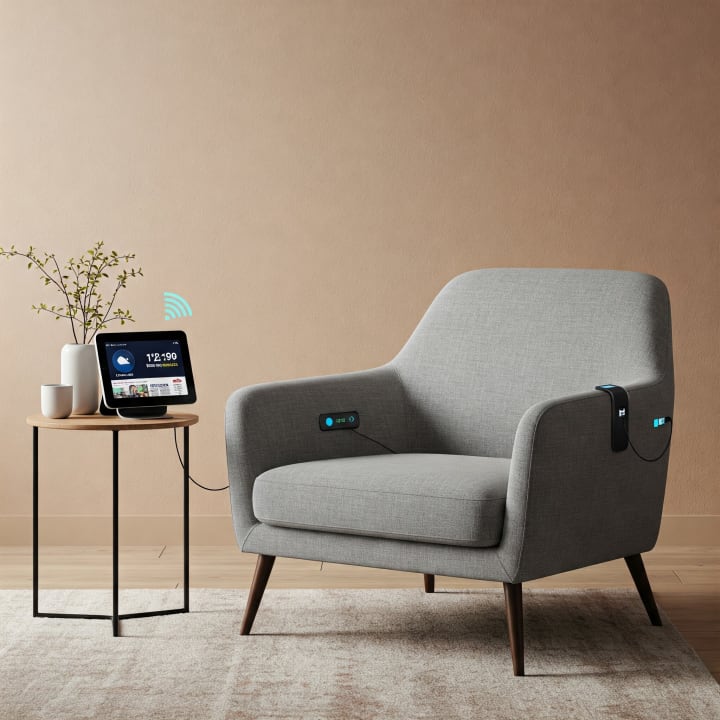
As technology continues to permeate our daily lives, it is inevitable that furniture will adapt to accommodate the digital age. Smart furniture is one of the most exciting developments in this regard. Future furniture will no longer be just functional; it will also be intelligent. Imagine desks that adjust height with a touch of a button, chairs that monitor posture and provide feedback, or coffee tables with built-in charging ports, Bluetooth speakers, and wireless charging pads.
These innovations go beyond just convenience—they also offer significant health and well-being benefits. For example, ergonomic chairs equipped with sensors can help reduce strain and prevent long-term physical discomfort. Additionally, furniture that integrates with smart home systems will allow users to control the lighting, temperature, and even entertainment options directly from their furniture.
Adaptability and Flexibility: Responding to Changing Lifestyles
The modern world is characterized by its rapidly changing dynamics. With an increasing number of people working remotely and urban spaces shrinking, adaptability and flexibility are crucial in future furniture design. As a result, multifunctional furniture will become more prevalent. Modular furniture systems that can be reconfigured into different shapes and sizes are already a growing trend. These designs allow individuals to maximize the use of small spaces, especially in urban apartments.
For example, a sofa could easily transform into a bed, a dining table could double as a work desk, and a set of shelves could be rearranged to serve as a room divider. This adaptability is not just about convenience—it reflects the evolving ways in which people live and work. Furniture must support these dynamic lifestyles, offering solutions that are both practical and aesthetically pleasing.
The Future of Aesthetic Design: Minimalism and Personalization
Aesthetic preferences in furniture are also evolving. In the past, elaborate and ornate designs dominated, but today’s consumers are leaning toward minimalist, clean lines, and functional pieces. As spaces get smaller, there is a greater demand for furniture that is not only practical but visually unobtrusive.
At the same time, personalization is becoming increasingly important. Consumers want to express their individuality through their living spaces, and furniture will play a significant role in this. Future furniture will offer more customization options, from color and texture to size and shape. This trend toward personalization allows individuals to create spaces that are a true reflection of their tastes, making the furniture feel more like an extension of themselves.
Conclusion: A Harmonious Blend of Innovation and Responsibility
The future of furniture is exciting, marked by innovation, sustainability, and a deep understanding of changing human needs. Designers will continue to find ways to merge functionality with aesthetics, creating pieces that not only meet the demands of modern living but also promote a healthier planet. As we look ahead, the furniture we use will be more than just objects to sit on or store things in—it will be a testament to our commitment to sustainability, technology, and our evolving way of life.
About the Creator
Keep reading
More stories from Opaa Homes and writers in Futurism and other communities.
Why a Bench Is the Perfect Accent Piece for Your Hallway
A hallway often serves as a transitional space between rooms, but with the right furniture, it can become an inviting, functional, and stylish area. Among the best furniture choices for this narrow, often underused space, a bench stands out. A bench in your hallway can do much more than just provide a place to sit. It can transform the space, enhance its functionality, and add a significant design element. Here’s why a bench is the perfect accent piece for your hallway.
By Opaa Homesabout a year ago in Futurism
About Binding Prometheus
I want to start actively advocating on behalf of my own work, and the most valuable part of my canon is, without a doubt, Binding Prometheus, the play I have been working on since 2019 and only finished in 2023 as part of my MA. The play itself is an amalgamation of a million different inspirations. On one end, it evokes the Ancient Greek myth-play, deriving its own title from the earliest extant work of Western drama we have, Aeschylus’s Prometheus Bound. On the other end, it borrows significantly from the sci-fi bulwarks from over the years, namely Mary Shelley’s Frankenstein and Karel Capek’s Rossum’s Universal Robots. The play could be an episode of Black Mirror, I fear. I don’t know. I’ve only ever seen one episode of Black Mirror.
By Steven Christopher McKnight18 days ago in Futurism
Australia Electric Vehicle Market: Clean Mobility, Smart Transport & Energy Transition
In 2025, Australia electric vehicle (EV) market was valued at USD 21.1 Billion. Looking ahead, the market is expected to surge to USD 205.5 Billion by 2034, exhibiting an exceptional compound annual growth rate (CAGR) of 28.80% during 2026–2034.
By Kevin Cooper6 days ago in Futurism




Comments
There are no comments for this story
Be the first to respond and start the conversation.