
Exploring the World of Packaging Automation: Why It Matters
With packaging automation leading the charge, the future of manufacturing and logistics is brighter than ever. Are you ready to embrace the change?
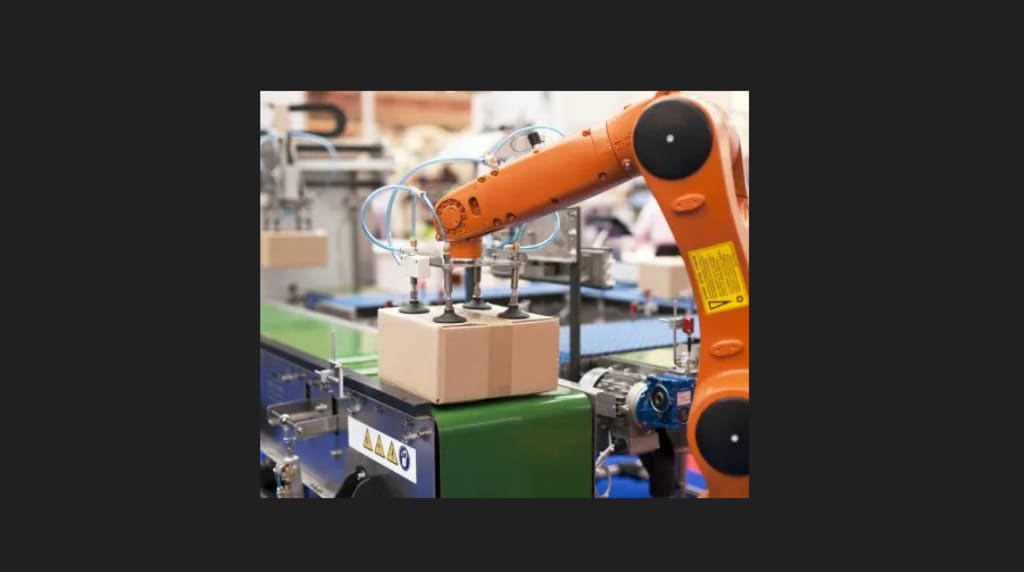
In a world where speed and efficiency are key, packaging automation has become a cornerstone of modern industry. From streamlining operations to enhancing accuracy, this revolutionary technology is transforming the way businesses handle their products. But what exactly is packaging automation, and why should you care? Let’s dive into this topic with a mix of insights and a dash of fun to keep it interesting.

What is Packaging Automation?
At its core, packaging automation refers to the use of machines, robotics, and software to automate the packaging process. Whether it’s filling, sealing, labeling, or palletizing, automation reduces the need for manual labor while increasing efficiency and consistency.
Think of it as the ultimate packaging assistant that never tires, never makes mistakes, and works 24/7. It’s like having your favorite superhero on the assembly line—but instead of saving the world, they’re saving you time and money.
Why Packaging Automation is a Game-Changer
Let’s face it: manual packaging is so last decade. Here’s why packaging automation is the future:
1. Speed and Efficiency
Automation accelerates the packaging process, allowing businesses to meet tight deadlines and high demand with ease.
2. Consistency and Quality
Machines deliver uniform results, ensuring every package meets quality standards without human error.
3. Cost Savings
While the initial investment may seem high, automation reduces labor costs and minimizes material waste, saving money in the long run.
4. Scalability
As your business grows, automated systems can adapt to handle increased production volumes effortlessly.
5. Employee Safety
Automation eliminates the need for workers to perform repetitive or hazardous tasks, creating a safer work environment.
How Does Packaging Automation Work?
Understanding how packaging automation works can be both fascinating and eye-opening. Here’s a step-by-step breakdown of the typical process:
1. Product Loading
Products are loaded onto a conveyor belt, kicking off the automation process.
2. Filling and Sealing
Machines precisely measure and fill containers with the required product, sealing them securely for transport.
3. Labeling and Coding
Automated systems apply labels and print essential information like batch numbers and expiration dates.
4. Inspection and Quality Control
Advanced sensors and cameras inspect each package to ensure quality standards are met.
5. Sorting and Palletizing
Finally, packages are sorted by destination and stacked onto pallets, ready for shipping.
Industries Benefiting from Packaging Automation
Packaging automation isn’t limited to one sector; it’s making waves across various industries. Here are a few examples:
1. Food and Beverage
Automation ensures food products are packaged safely and efficiently, maintaining freshness and compliance with health standards.
2. Pharmaceuticals
In an industry where precision is critical, automation handles everything from pill counting to tamper-proof sealing.
3. E-Commerce
With the rise of online shopping, automated packaging systems help businesses manage high volumes of orders seamlessly.
4. Consumer Goods
From cosmetics to electronics, automation enhances the packaging process, ensuring products are ready for retail shelves.
Benefits of Packaging Automation
If you’re still on the fence about adopting packaging automation, here are some benefits that might convince you:
Reduced Labor Costs: Automation minimizes the need for manual labor, freeing up employees for more complex tasks.
Increased Throughput: Faster packaging speeds mean more products can be processed in less time.
Enhanced Accuracy: Machines don’t make mistakes, resulting in fewer errors and less waste.
Eco-Friendly Options: Many systems are designed to optimize material usage and reduce environmental impact.
Improved Customer Satisfaction: Faster and more reliable packaging leads to happier customers.
Challenges of Packaging Automation
While the benefits are undeniable, implementing packaging automation isn’t without its challenges:
High Initial Investment: The upfront costs can be daunting for small businesses.
Maintenance Requirements: Regular maintenance is essential to keep systems running smoothly.
Employee Training: Workers need to be trained to operate and maintain automated systems.
Customization Needs: Not all products are the same, so systems may require tailoring to specific business needs.
Future Trends in Packaging Automation
The world of packaging automation is evolving rapidly, with new innovations on the horizon. Here’s what the future holds:
AI and Machine Learning: Smarter systems will optimize processes and predict maintenance needs.
Collaborative Robots (Cobots): Robots that work alongside humans will enhance efficiency and flexibility.
Sustainable Solutions: Green technologies will focus on reducing waste and energy consumption.
IoT Integration: Internet-connected systems will enable real-time monitoring and data-driven decision-making.
Conclusion
In today’s fast-paced world, packaging automation is more than just a trend—it’s a necessity. By streamlining operations, reducing errors, and enhancing productivity, automation empowers businesses to stay competitive in an ever-evolving market. While challenges exist, the benefits far outweigh the drawbacks, making automation a smart choice for businesses of all sizes.
So, whether you’re a business owner looking to optimize your packaging process or simply curious about the tech behind the scenes, packaging automation is reshaping industries and setting new standards for efficiency and quality.
FAQs
1. What is packaging automation?
Packaging automation is the use of technology and machinery to automate tasks like filling, sealing, labeling, and sorting products.
2. Why is packaging automation important?
It increases efficiency, reduces errors, lowers costs, and enhances product quality.
3. Which industries use packaging automation?
Industries like food and beverage, pharmaceuticals, e-commerce, and consumer goods benefit from automation.
4. Is packaging automation expensive?
While the initial investment can be high, the long-term savings and efficiency gains make it worthwhile.
5. What’s next for packaging automation?
Future trends include AI-powered systems, collaborative robots, sustainable solutions, and IoT integration.
About the Creator
Keep reading
More stories from Anshika Zoringa12 and writers in Futurism and other communities.
The Future is Here: Why Packaging Automation is a Game-Changer
Welcome to the world where technology meets efficiency! Today, we’re diving into the fascinating realm of packaging automation — a subject that might sound technical but has real-world implications for businesses and consumers alike. Let’s unwrap (pun intended) the magic behind automated packaging systems and why they’re transforming industries.
By Anshika Zoringa12about a year ago in Futurism
About Binding Prometheus
I want to start actively advocating on behalf of my own work, and the most valuable part of my canon is, without a doubt, Binding Prometheus, the play I have been working on since 2019 and only finished in 2023 as part of my MA. The play itself is an amalgamation of a million different inspirations. On one end, it evokes the Ancient Greek myth-play, deriving its own title from the earliest extant work of Western drama we have, Aeschylus’s Prometheus Bound. On the other end, it borrows significantly from the sci-fi bulwarks from over the years, namely Mary Shelley’s Frankenstein and Karel Capek’s Rossum’s Universal Robots. The play could be an episode of Black Mirror, I fear. I don’t know. I’ve only ever seen one episode of Black Mirror.
By Steven Christopher McKnight23 days ago in Futurism
Digital Identity Solutions Market: Secure Authentication Trends & Platform Innovation
According to IMARC Group's latest research publication, the global digital identity solutions market reached USD 43.76 Billion in 2024. Looking forward, IMARC Group expects the market to reach USD 214.2 Billion by 2033, exhibiting a growth rate (CAGR) of 17.70% during 2025-2033.
By Andrew Sullivan5 days ago in Futurism
📢 Raise Your Voice Thread: 01/22/2026
Our “Raise Your Voice Threads” are hosted most alternating Thursdays at 12PM ET to offer creators more avenues to uncover exceptional stories on Vocal. As we are continuously searching for fresh creators and inspiring stories, this thread provides an opportunity to exchange and discuss the stories that have moved and motivated us on Vocal.
By Raise Your Voice by Vocala day ago in Resources



Comments (1)
Packaging automation is amazing! Great work