
The Future is Here: Why Packaging Automation is a Game-Changer
Embrace the change. Embrace packaging automation!
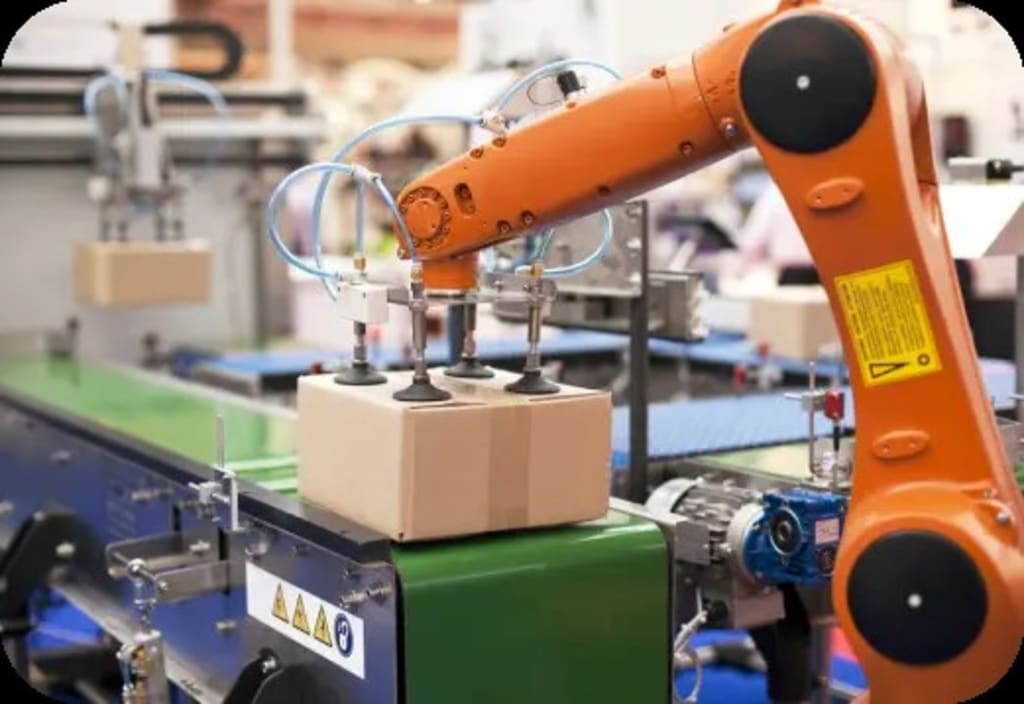
Welcome to the world where technology meets efficiency! Today, we’re diving into the fascinating realm of packaging automation — a subject that might sound technical but has real-world implications for businesses and consumers alike. Let’s unwrap (pun intended) the magic behind automated packaging systems and why they’re transforming industries.
What is Packaging Automation?
Packaging automation refers to the use of machines, software, and robotic systems to handle the process of packaging products, reducing or eliminating the need for manual labor. From filling bottles to sealing boxes, these systems streamline operations, saving time and money.
Gone are the days of endless manual effort. Imagine a robotic arm flawlessly packing your favorite cookies or a conveyor belt ensuring every shampoo bottle is capped perfectly. Sounds futuristic, right? Well, the future is now!
Why Should You Care About Packaging Automation?
You might think, “Why does this matter to me?” Packaging automation impacts everyone. For Businesses:
- Cost Efficiency: Automation minimizes human error and reduces labor costs.
- Speed: Machines can operate 24/7, increasing production capacity.
- Consistency: Ensures uniform packaging, which is crucial for branding.
For Employees:
- Safety: Dangerous tasks like heavy lifting are handled by machines.
- Skill Development: Employees can upskill to operate and maintain these systems.
For Consumers:
- Quality: Automated systems maintain higher quality standards.
- Sustainability: Many systems are designed to minimize waste.
How Packaging Automation Works
The beauty of packaging automation lies in its complexity and simplicity. Here’s a quick breakdown of how it all comes together:
1. Feeding and Sorting
Machines sort and feed products into the packaging system. Think of a robot delicately picking up apples and placing them in trays. No bruises, just precision!
2. Filling and Sealing
Liquids, powders, or solids are measured and placed into containers. Once filled, the packages are sealed to perfection. No more leaky yogurt cups in your grocery bag!
3. Labeling and Coding
Every package needs a label. Automation ensures every label is perfectly aligned, with barcodes or QR codes ready for scanning.
4. Palletizing and Wrapping
The final step involves stacking and wrapping the packages for transportation. Imagine a machine stacking soda cans faster than you can blink!
The Technologies Powering Packaging Automation
Modern packaging automation relies on cutting-edge technologies:
- Robotics: Robots handle intricate tasks with precision and speed. They’re the MVPs of the packaging world.
- Artificial Intelligence (AI): AI systems analyze data to optimize packaging processes, ensuring maximum efficiency.
- Internet of Things (IoT): IoT connects machines to a centralized system, allowing for real-time monitoring and adjustments.
- Vision Systems: Cameras and sensors inspect products to ensure quality control.
Real-World Applications of Packaging Automation
Packaging automation is not just for mega-factories. It’s everywhere!
1. Food and Beverage Industry
From soda cans to cereal boxes, automation ensures your favorite snacks are packaged safely and quickly.
2. Pharmaceuticals
Ensures precise measurement and sterile conditions for medicines.
3. E-Commerce
Handles the high volume of orders, ensuring your packages arrive on time and in perfect condition.
Challenges in Packaging Automation
No journey is without hurdles. Here are some challenges businesses face when adopting packaging automation:
- High Initial Costs: Setting up automation systems can be expensive.
- Maintenance: Machines require regular upkeep.
- Training: Employees need to be trained to operate and maintain new systems.
However, the long-term benefits often outweigh these challenges, making automation a worthwhile investment.
Packaging Automation: The Future
The future of packaging automation is as exciting as it is promising. Imagine self-learning systems that adapt to new packaging designs or drones delivering products directly to your doorstep. Companies are already exploring:
- Eco-friendly packaging solutions
- Advanced AI-driven systems
- Integration with blockchain for supply chain transparency
- The possibilities are endless, and the impact is monumental.
Conclusion
Packaging automation is no longer a luxury; it’s a necessity. It’s reshaping industries, improving efficiency, and enhancing the consumer experience. Whether you’re running a business or enjoying the benefits as a consumer, automation is a win-win.
So, the next time you open a perfectly sealed bag of chips or receive a pristine online order, take a moment to appreciate the marvel of packaging automation. After all, it’s the silent hero making our lives a little bit easier.
FAQs
1. What industries benefit the most from packaging automation?
Industries like food and beverage, pharmaceuticals, e-commerce, and cosmetics benefit significantly from packaging automation.
2. Is packaging automation expensive to implement?
While the initial setup can be costly, the long-term savings and efficiency gains often justify the investment.
3. Can small businesses use packaging automation?
Absolutely! Many automation solutions are scalable and tailored for small to medium-sized enterprises.
4. Is packaging automation eco-friendly?
Yes, many modern systems are designed to reduce waste and use sustainable materials.
5. Will automation replace human jobs?
Not entirely. While repetitive tasks are automated, new roles emerge in system management and maintenance, creating opportunities for upskilling.
About the Creator
Keep reading
More stories from Anshika Zoringa12 and writers in Futurism and other communities.
The Ultimate Guide to the Demand Management Process: A Fun and Practical Approach
The demand management process might sound like a corporate buzzword, but in reality, it's the secret sauce that keeps businesses running smoothly. Whether you’re managing inventory, forecasting customer needs, or just trying to make sense of unpredictable market trends, having a solid demand management strategy can save your business time, money, and headaches.
By Anshika Zoringa1211 months ago in Futurism
About Binding Prometheus
I want to start actively advocating on behalf of my own work, and the most valuable part of my canon is, without a doubt, Binding Prometheus, the play I have been working on since 2019 and only finished in 2023 as part of my MA. The play itself is an amalgamation of a million different inspirations. On one end, it evokes the Ancient Greek myth-play, deriving its own title from the earliest extant work of Western drama we have, Aeschylus’s Prometheus Bound. On the other end, it borrows significantly from the sci-fi bulwarks from over the years, namely Mary Shelley’s Frankenstein and Karel Capek’s Rossum’s Universal Robots. The play could be an episode of Black Mirror, I fear. I don’t know. I’ve only ever seen one episode of Black Mirror.
By Steven Christopher McKnight23 days ago in Futurism
Mobile App Development in Indianapolis Faces New Talent Shifts
The meeting begins the same way it always has. A manager reviews hiring plans. Timelines are discussed. Budgets are checked. Then someone points out that the last three candidates turned down offers, not because of pay, but because of flexibility, project scope, or long-term growth.
By Samantha Blake3 days ago in Futurism
Rachel Reviews: The Spiral Archive by Pieter Hendrik
It's difficult for me to know where to start with a review of this book as it was, for me, an entirely unique experience and one that I'll probably never have again. I don't want that to be interpreted as unenjoyable but it has left me scratching my head a little and ruminating on its content, its themes and its characters.
By Rachel Deeming6 days ago in BookClub



Comments
There are no comments for this story
Be the first to respond and start the conversation.