
Elon Musk’s Net Worth Surges to an Astonishing $788 Billion
Elon Musk’s Wealth Rockets to $788 Billion — What It Means for Communities, Innovation, and the Economy

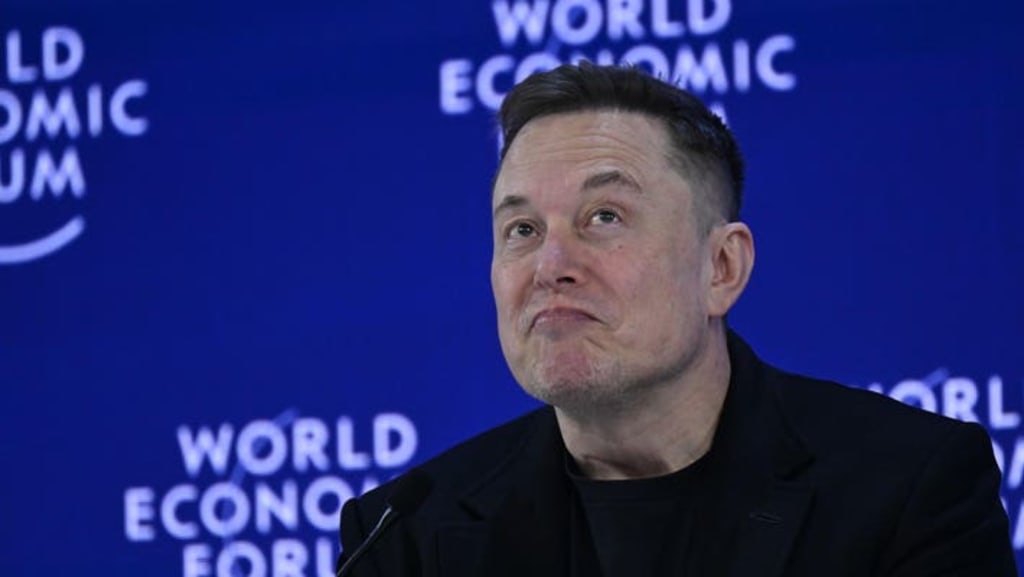
Elon Musk, the billionaire entrepreneur behind companies such as Tesla, SpaceX, and X, has just reached a new financial milestone: his net worth has soared to approximately $788 billion, according to recent financial estimates. This record‑setting surge not only places him among the richest people in modern history but also highlights broader conversations about wealth concentration, innovation, and how extraordinary economic gains at the top affect everyday communities.
How Did Musk’s Wealth Reach This Level?
Elon Musk’s massive net worth is largely tied to equity stakes in high‑growth companies, with the biggest contributors being:
Tesla — The electric vehicle maker has seen significant stock price gains driven by strong sales, expanded production, and optimism about future growth.
SpaceX — Musk’s aerospace company has increased in valuation due to successful launches, commercial contracts, and progress on ambitious projects like Starship and Starlink.
X (formerly Twitter) — While not as large a driver as Tesla or SpaceX, ownership of the social platform adds to his overall portfolio.
Unlike salaried income, Musk’s net worth is mostly tied to share prices, meaning his financial standing can jump dramatically when markets favor the companies he leads. The rise to approximately $788 billion reflects recent stock market strength — particularly in tech and EV sectors — combined with investor confidence in Musk’s long‑term vision.
What Sets This Wealth Surge Apart?
Musk’s current net worth isn’t just large — it’s historically unprecedented. At $788 billion, he edges ahead of other ultra‑wealthy individuals and comes close to — or even surpasses, depending on the source — previous records for the richest person ever. The scale of his wealth underscores both the rise of technology billionaires and the extreme economic mobility at the very top of the wealth distribution.
But while Musk’s net worth grabs headlines, it’s important to understand that:
Net worth is not the same as liquid assets. Much of Musk’s wealth is tied up in stock and assets that aren’t easily converted to cash.
Valuations can fluctuate. A sharp downturn in markets or company performance could alter estimates quickly.
Equity‑based wealth highlights broader economic trends, including how stock market performance benefits wealthy shareholders more than average investors.
Where the Wealth Growth Came From
Musk’s wealth growth over the past decade has been linked to several key trends:
1. The EV Revolution
Tesla’s rapid expansion transformed it from a niche carmaker into a major global automotive force. With electric vehicles gaining broader acceptance and regulatory support in many countries, Tesla’s stock has attracted significant investor interest.
2. Space Exploration and Commercial Spaceflight
SpaceX’s progress — especially in reusable rockets and satellite internet (Starlink) — has pushed valuations higher with each funding round.
3. Tech and Innovation Optimism
Investors often price companies on future potential rather than current earnings, which benefits visionary leaders like Musk. This trend has boosted valuations across sectors where growth is expected — particularly in technology and energy transition businesses.
What This Means for the Broader Economy
A singular wealth figure like $788 billion naturally sparks conversation, not just about Musk but about the broader economic context:
• Wealth Inequality
Musk’s net worth is larger than the GDP of many countries. When one person’s wealth reaches such heights, it reignites debates about income inequality, tax policy, and the social responsibilities of the ultra‑rich.
• Innovation and Job Creation
Supporters argue that figures like Musk drive innovation and economic growth. Tesla, SpaceX, and other ventures employ tens of thousands of workers, push new technologies forward, and create economic activity in communities around the world.
• Market Volatility
Because so much of Musk’s wealth is tied to public markets, his net worth is vulnerable to price swings. While current figures are record‑breaking, they can shift rapidly with market sentiment, regulatory news, or company performance.
Community Reactions and Public Debate
Across social media, community forums, and local discussions, reactions to Musk’s wealth surge range from celebration to critique:
Tech and investor communities celebrate the milestone as a testament to entrepreneurial success and innovation leadership.
Economic justice advocates use the moment to highlight income inequality and argue for progressive tax reforms.
Students and young professionals often see Musk as a symbol of ambition and disruption — someone who has reshaped industries from cars to space.
Workers and local communities in areas where Tesla and SpaceX operate watch how investments translate into jobs, wages, and local economic growth.
One common theme is that while Musk’s wealth garners headlines, communities are more interested in how wealth creation translates to real opportunities for local workers and entrepreneurs.
The Debate Around Billionaire Influence
Musk’s position atop global wealth rankings also intersects with questions about billionaire influence on society:
Policy and public spending: Wealthy individuals often shape public policy discussions — sometimes indirectly through advocacy or direct political contributions.
Corporate power: Large corporations and dominant market players can influence industry standards, regulatory decisions, and innovation pathways.
Philanthropy vs. systemic solutions: Some argue that billionaire philanthropy can help address social issues, while others say systemic policy solutions (like taxation and public investment) are more equitable.
This wealth milestone reignites those debates, reminding communities that individual riches occur within broader systems of economic power and policy.
What Comes Next?
Elon Musk’s net worth will continue to be shaped by market conditions, company performance, and investor sentiment. With Tesla’s next product cycles, SpaceX milestones, and developments at X all on the horizon, the financial narrative is likely to remain dynamic.
At the community level, the focus remains on how economic trends affect jobs, living costs, and opportunities for local families — whether in cities with Tesla factories, regions with aerospace supply chains, or online communities influenced by social media innovation.
Final Thoughts
Elon Musk’s rise to a roughly $788 billion net worth is a remarkable financial benchmark — one that highlights the power of innovation, the dynamics of equity‑based wealth, and the broader debates around wealth concentration in modern society.
But beyond the headline figure lies a more complex story about how wealth intersects with community prosperity, economic policy, and the future of work. For everyday Americans wondering what this means for them, the key question isn’t just “How rich is Elon Musk?” — it’s how the economic currents that propel individual wealth also shape opportunities, fairness, and growth for communities across the country.
About the Creator
Asad Ali
I'm Asad Ali, a passionate blogger with 3 years of experience creating engaging and informative content across various niches. I specialize in crafting SEO-friendly articles that drive traffic and deliver value to readers.
About Binding Prometheus
I want to start actively advocating on behalf of my own work, and the most valuable part of my canon is, without a doubt, Binding Prometheus, the play I have been working on since 2019 and only finished in 2023 as part of my MA. The play itself is an amalgamation of a million different inspirations. On one end, it evokes the Ancient Greek myth-play, deriving its own title from the earliest extant work of Western drama we have, Aeschylus’s Prometheus Bound. On the other end, it borrows significantly from the sci-fi bulwarks from over the years, namely Mary Shelley’s Frankenstein and Karel Capek’s Rossum’s Universal Robots. The play could be an episode of Black Mirror, I fear. I don’t know. I’ve only ever seen one episode of Black Mirror.
By Steven Christopher McKnight23 days ago in Futurism
Fraud Detection and Prevention Market: Behavioral Biometrics, Anomaly Detection & Advanced Analytics
According to IMARC Group's latest research publication, global fraud detection and prevention market size reached USD 42.8 Billion in 2024. Looking forward, IMARC Group expects the market to reach USD 260.1 Billion by 2033, exhibiting a growth rate (CAGR) of 20.42% during 2025-2033.
By sujeet. imarcgroup4 days ago in Futurism



Comments
There are no comments for this story
Be the first to respond and start the conversation.