
Dry Needling and Cupping: Two Powerful Techniques for Pain Relief and Muscle Recovery
Dry needling is a therapeutic technique used by physical therapists and other trained professionals to treat muscle pain and trigger points.
In the world of alternative therapies, dry needling and cupping have gained significant attention for their effectiveness in treating pain, improving muscle function, and promoting relaxation. While these techniques have been practiced for centuries in various cultures, they have recently become popular in the realm of physical therapy and wellness.
But what exactly are dry needling and cupping, and how do they work to benefit your body? Let’s dive deeper into these two modalities, their uses, and the science behind them.
What Is Dry Needling?
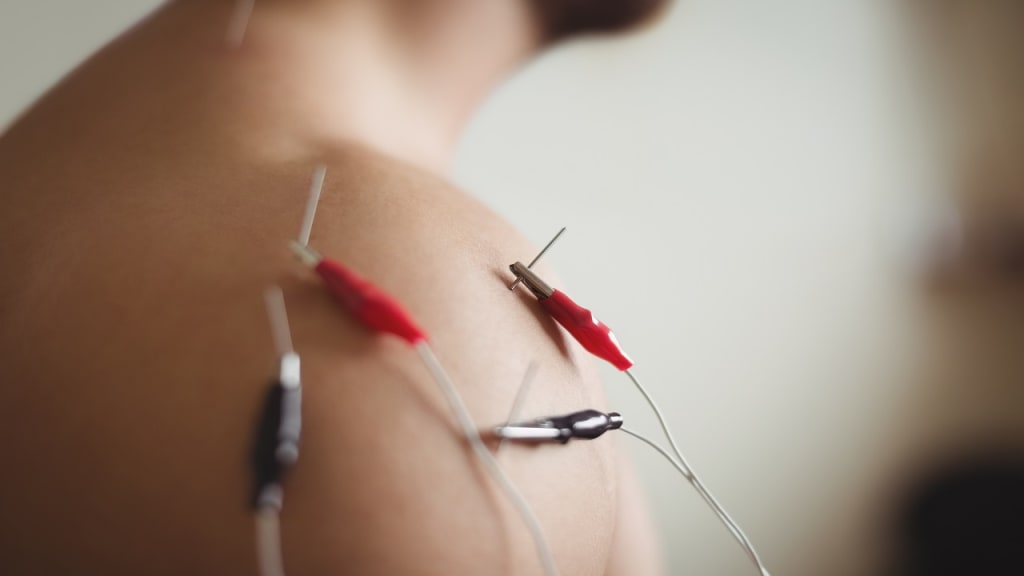
Dry needling is a therapeutic technique used by physical therapists and other trained professionals to treat muscle pain and trigger points. It involves inserting very thin needles into specific areas of muscle tissue, often called “myofascial trigger points” or “knots,” to alleviate pain and restore function. Despite its name, dry needling does not involve the injection of any substance into the body.
How Does Dry Needling Work?
When a muscle becomes tight or tense, it forms trigger points that can cause pain, stiffness, and restricted movement. Dry needling targets these trigger points by inserting needles into the affected area. The goal is to stimulate the muscles and promote the release of tension and tightness, which can reduce pain and improve mobility.
The insertion of the needle causes a small localized response in the tissue, often referred to as a "twitch response." This response helps to reset the muscle and encourage it to return to its normal state. Dry needling is believed to increase blood flow to the area, enhance the body’s natural healing response, and release chemicals such as endorphins that promote relaxation and pain relief.
Benefits of Dry Needling
Pain Relief: By targeting trigger points and releasing tension in muscles, dry needling and cupping can provide relief from chronic pain conditions such as back pain, neck pain, and headaches.
Improved Mobility: Dry needling helps restore range of motion by loosening tight muscles and breaking up adhesions.
Faster Muscle Recovery: Athletes and active individuals can benefit from dry needling as it promotes quicker muscle recovery after strenuous workouts or sports activities.
Improved Circulation: The technique enhances blood flow to the affected area, which helps with tissue repair and reduces inflammation.
What Is Cupping?
Cupping is another ancient therapy that has been practiced in traditional medicine systems, such as Chinese medicine and Middle Eastern healing, for thousands of years. The practice involves creating a vacuum inside small cups that are placed on the skin. This vacuum pulls the skin and underlying tissue upward into the cup, which can increase blood flow, relieve muscle tension, and promote healing.
How Does Cupping Work?
Cupping therapy can be done using various types of cups, including glass, silicone, or plastic. Traditionally, cups are heated before being placed on the skin, or suction is created using a pump. The suction creates a vacuum effect that causes the skin to lift and increases circulation to the area.
Cupping works by stimulating the flow of blood and energy (or "Qi," in traditional Chinese medicine) through the body. The increased circulation helps to promote the removal of toxins, reduce inflammation, and encourage the body’s natural healing processes. Many practitioners believe that cupping helps to release stagnation in the body, relieving pain and improving overall well-being.
Benefits of Cupping
Pain Relief: Cupping is particularly effective in treating musculoskeletal pain and discomfort, such as chronic back pain, joint pain, and even tension headaches.
Increased Circulation: Like dry needling, cupping helps boost circulation to the targeted area, promoting faster healing and reducing inflammation.
Detoxification: Wet cupping is thought to help remove toxins from the body by drawing out blood and encouraging the flow of fresh blood to the area.
Improved Skin Health: Cupping can help improve skin tone and texture, reduce the appearance of cellulite, and improve overall skin health.
Dry Needling vs. Cupping: What’s the Difference?
While both dry needling and cupping are effective methods for pain relief, muscle recovery, and overall wellness, they differ in their techniques and mechanisms. Let’s take a look at how they compare:
Techniques: Dry needling uses fine needles inserted into muscle tissue to release tension, whereas cupping uses suction to lift and stimulate the skin and underlying tissue.
Mechanism of Action: Dry needling directly targets trigger points in the muscle and encourages a healing response through micro-stimulation, while cupping promotes blood flow, relieves muscle tension, and helps detoxify the body by creating a vacuum effect.
Treatment Goals: Dry needling is often used for more specific muscle problems and trigger points, whereas cupping is broader in its application, helping with pain, relaxation, and detoxification.
Both methods can be used independently or in combination for enhanced therapeutic effects, depending on your individual needs and health goals. A practitioner may recommend one over the other or both in tandem, depending on your condition.
Which Therapy is Right for You?
Choosing between dry needling and cupping depends on your specific needs, preferences, and the nature of the problem you’re dealing with. Here’s how to decide:
For muscle pain and trigger points, dry needling might be the better option, as it directly targets those tight spots and works on muscle tension.
For general relaxation, circulation improvement, and pain relief, cupping might be more suitable, especially if you're looking for a treatment that covers a broader range of benefits.
If you want a combination of both, targeted muscle work with dry needling and the detoxifying and relaxing effects of cupping you can consult with a practitioner who offers both treatments.
Conclusion
Whether you’re dealing with chronic pain, muscle tension, or just looking for a way to improve your body’s natural healing process, both dry needling and cupping offer effective, non-invasive treatments. These therapies have been used for centuries in traditional medicine, and their growing popularity in modern wellness practices speaks to their effectiveness.
As always, it’s important to consult with a trained professional to determine which therapy is right for you. With the right approach, these techniques can be powerful tools in your journey toward pain relief, relaxation, and overall well-being.
About the Creator
Capital City Chiropractic
At Capital City Chiropractic, our Chiropractic Adjustment service is designed to provide relief from spinal misalignments and related discomfort.
Keep reading
More stories from Capital City Chiropractic and writers in Futurism and other communities.
How an Experienced and Professional Back Pain Specialist Can Change Your Life?
Back pain is one of the most common but uncomfortable health concerns affecting every third person globally. Whether it’s a mild discomfort or a chronic condition, back pain can disrupt daily activities, affect your mental well-being, and reduce your quality of life. Fortunately, an experienced and professional back pain specialist can help you regain control and live pain-free. In this blog, we’ll explore how a specialist for back pain can transform your life, the benefits of seeking expert care, and what to expect during your journey to recovery.
By Capital City Chiropracticabout a year ago in Writers
Surgical Equipment Market: Minimally Invasive Procedures, Precision Tools & Market Growth
The surgical equipment market is growing rapidly due to rising surgical demand, aging populations, and advances in robotic and minimally invasive surgery. Hospitals worldwide are upgrading equipment to improve precision, safety, and patient recovery. According to IMARC Group's latest research publication, The global surgical equipment market size reached USD 19.9 Billion in 2024. Looking forward, IMARC Group expects the market to reach USD 34.0 Billion by 2033, exhibiting a growth rate (CAGR) of 6.05% during 2025-2033.
By Michael Richarda day ago in Futurism
Tooling Market: Rapid Prototyping, Additive Manufacturing & Design Flexibility
Driven by industrial automation, rising precision manufacturing demand, expanding automotive and aerospace production, and increased adoption of smart factories, advanced materials, and efficiency-focused manufacturing practices. According to IMARC Group's latest research publication, global tooling market size was valued at USD 290.6 Billion in 2025. Looking forward, IMARC Group estimates the market to reach USD 501.4 Billion by 2034, exhibiting a growth rate of 6.20% during 2026-2034.
By Andrew Sullivan4 days ago in Futurism




Comments
There are no comments for this story
Be the first to respond and start the conversation.