
Digital Twin Technology: Revolutionizing and Unveiling Questions for the Future
Unlocking Opportunities and Navigating Challenges in the Realm of Virtual Replicas
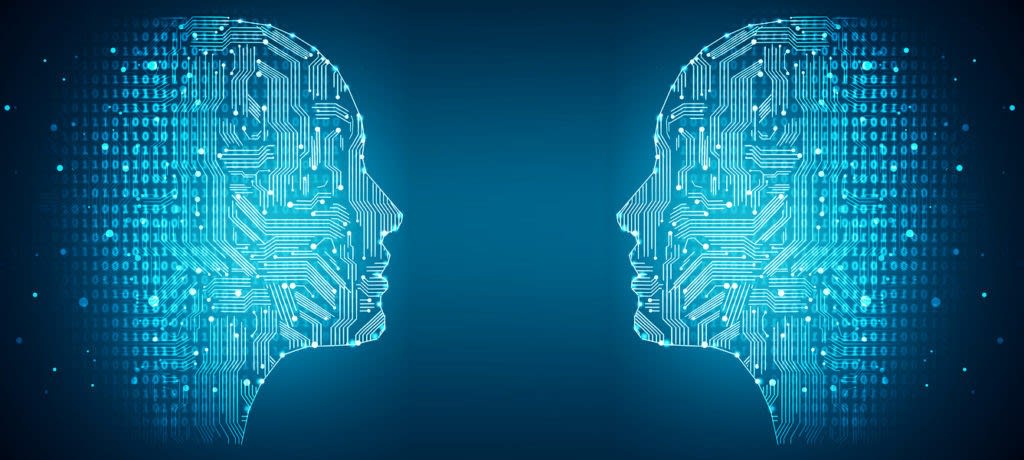
Digital twin technology has emerged as a transformative innovation, bridging the physical and digital worlds to create virtual replicas of real-world assets, processes, or systems. With the potential to revolutionize various industries, this cutting-edge technology brings forth both exciting opportunities and thought-provoking questions for its future.
At its core, a digital twin is a virtual representation of a physical object or system, synchronized in real-time. By combining data from sensors, IoT devices, and other sources, it provides a holistic view of the asset's performance, behavior, and condition. From manufacturing to healthcare, digital twin applications span diverse sectors, promising enhanced operational efficiency, predictive maintenance, and informed decision-making.
In manufacturing, digital twins offer significant advantages. By simulating the entire product lifecycle, manufacturers can optimize production processes, streamline design, and accelerate time-to-market. The automotive industry, for example, utilizes digital twins to create and test prototypes, reducing physical iterations and costs.
The integration of digital twins with smart cities can revolutionize urban planning and management. These virtual replicas enable urban planners to model and assess the impact of new infrastructure projects, optimize energy consumption, and enhance public services. As cities become more data-driven, digital twins play a pivotal role in creating sustainable and resilient urban environments.
In healthcare, digital twins enable personalized and precise treatments. By simulating a patient's anatomy and physiology, medical professionals can tailor treatments and surgeries for better outcomes. This technology also aids in medical training and research, providing a safe environment for testing new procedures and therapies.
However, as digital twin technology expands its influence, certain questions and challenges surface:
Data Privacy and Security: The extensive data collection and sharing required for digital twins raise concerns about privacy and security. How can we safeguard sensitive information from cyber threats and unauthorized access? What measures are necessary to maintain data integrity and protect user privacy?
Ethical Considerations: In sectors like healthcare, digital twins generate vast amounts of personal data. How do we ensure ethical use and consent for data usage? What policies and regulations are needed to address potential ethical dilemmas arising from digital twin applications?
Interoperability and Standardization: As digital twins proliferate across industries, ensuring interoperability and standardization becomes crucial. How can we establish common frameworks and data models to facilitate seamless integration and exchange of information between different digital twin systems?
Reliability and Accuracy: The effectiveness of digital twins hinges on the accuracy and reliability of data input. How can we verify the quality of data sources and algorithms to ensure dependable virtual representations? What validation processes are necessary to enhance the trustworthiness of digital twin simulations?
Infrastructure and Resource Requirements: Creating and maintaining digital twins demand robust infrastructure and substantial computing resources. How can organizations overcome the challenges of implementation costs and resource-intensive computing to maximize the potential of this technology?
Regulatory Framework: As the use of digital twins becomes more prevalent, regulatory challenges may arise. How can governments and regulatory bodies keep pace with the rapid advancements in digital twin technology while ensuring compliance and safety standards?
Workforce Adaptability: Widespread adoption of digital twin technology will necessitate a skilled workforce capable of harnessing its full potential. How can organizations foster workforce adaptability and upskilling to fully leverage digital twins' capabilities?
In conclusion, digital twin technology holds immense promise in transforming industries, enhancing efficiency, and fostering innovation. From manufacturing and smart cities to healthcare, its applications are diverse and far-reaching. However, as this technology evolves, it also unveils critical questions and challenges that demand careful consideration. Addressing issues of data privacy, ethical concerns, interoperability, reliability, resource requirements, regulations, and workforce adaptability is crucial to unlock the full potential of digital twin technology and create a sustainable and inclusive future.
About the Creator
Rose Sanders
Rose Sanders, born May 21, '88 in Harmonyville, passionate violinist, nature lover, hiker, baker, and writer. Grateful for your love and support! 🌸✨
Keep reading
More stories from Rose Sanders and writers in Futurism and other communities.
Navigating the Future: Addressing Challenges and Risks of Flying Cars
Flying cars, often hailed as the epitome of futuristic transportation, possess the potential to revolutionize travel as we know it. Yet, amid the excitement and anticipation, it is imperative to acknowledge the potential hazards they might bring to the future. The integration of flying cars into our daily lives could present several challenges that necessitate meticulous consideration and thoughtful planning.
By Rose Sanders2 years ago in Futurism
About Binding Prometheus
I want to start actively advocating on behalf of my own work, and the most valuable part of my canon is, without a doubt, Binding Prometheus, the play I have been working on since 2019 and only finished in 2023 as part of my MA. The play itself is an amalgamation of a million different inspirations. On one end, it evokes the Ancient Greek myth-play, deriving its own title from the earliest extant work of Western drama we have, Aeschylus’s Prometheus Bound. On the other end, it borrows significantly from the sci-fi bulwarks from over the years, namely Mary Shelley’s Frankenstein and Karel Capek’s Rossum’s Universal Robots. The play could be an episode of Black Mirror, I fear. I don’t know. I’ve only ever seen one episode of Black Mirror.
By Steven Christopher McKnight15 days ago in Futurism
GCC Construction Flooring Chemical Market: Demand Trends & Growth Opportunities
According to IMARC Group's latest research publication, GCC Construction Flooring Chemical Market size was valued at USD 89.23 Million in 2025 and is projected to reach USD 129.05 Million by 2034, growing at a compound annual growth rate of 4.19% during the 2026-2034.
By Abhay Rajputabout 10 hours ago in Futurism


Comments
There are no comments for this story
Be the first to respond and start the conversation.