
Digital Immortality and Mind Uploading: Unlocking Eternal Consciousness
The journey to eternal consciousness is just beginning—what lies ahead could redefine humanity’s place in the universe.

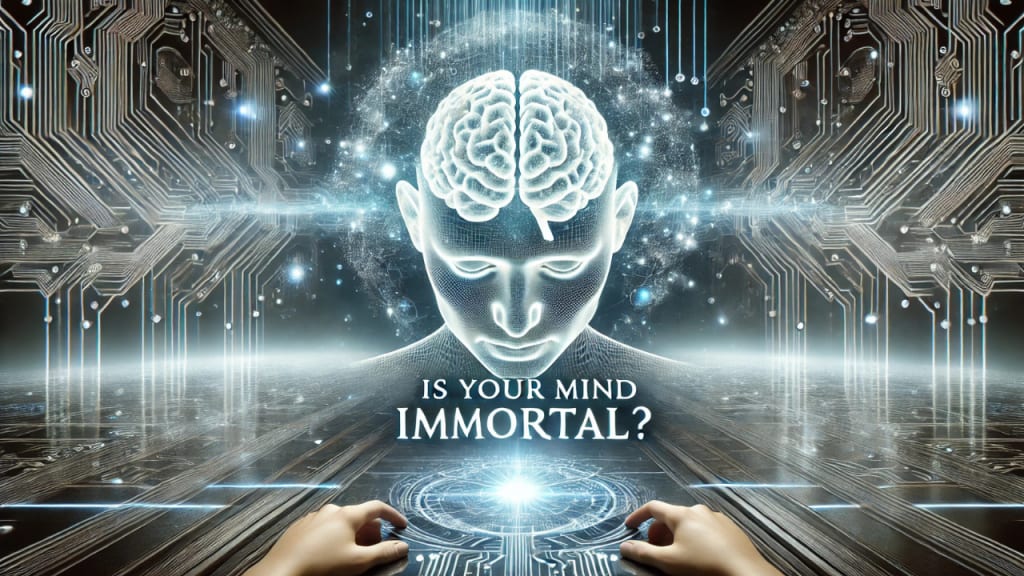
Digital immortality and mind uploading, once relegated to science fiction, are now active fields of research. These concepts suggest a future where human consciousness can be transferred to digital systems, potentially allowing us to live forever in a virtual form. This article delves into the science, benefits, risks, and ethical challenges of achieving digital immortality, helping readers navigate the possibilities of eternal consciousness in the digital age.
What Is Digital Immortality?
Digital immortality refers to the preservation of a person’s consciousness, memories, and personality in a digital medium. Through advanced technologies, such as mind uploading, individuals could theoretically exist in virtual realities or as artificial intelligence entities long after their physical bodies have perished.
Mind uploading is the process of transferring the content of a brain to a computer. This concept relies on detailed brain mapping and simulation techniques that recreate neural connections digitally.
The Science Behind Mind Uploading
Mind uploading requires an intricate understanding of the brain, neural networks, and computational modeling. Scientists are currently exploring methods such as:
- Brain Scanning: Technologies like MRI and nanobots could map the structure and activity of every neuron.
- Neural Simulations: Simulating the brain’s processes in a computer, creating a virtual model of consciousness.
- Brain-Computer Interfaces (BCIs): Devices that connect the brain to digital systems, facilitating real-time interaction.
While the technology is still in its infancy, rapid advancements in neuroscience and computing are bringing these concepts closer to reality.
Potential Benefits of Digital Immortality
The promise of digital immortality has far-reaching implications:
1. Eternal Life: Consciousness could persist indefinitely, eliminating the fear of physical death.
2. Preservation of Legacy: Loved ones could interact with a digital version of a deceased individual, maintaining connections.
3. Exploration of Virtual Realities: Digital beings could exist in customizable virtual worlds, free from physical constraints.
These possibilities could redefine how humanity perceives life, death, and existence itself.
Risks and Challenges
Can You Upload Your Mind & Live Forever?
Digital immortality is fraught with technical and philosophical challenges:
- Inaccuracy: Current technology cannot fully replicate human consciousness. Imperfect uploads may result in incomplete or distorted digital selves.
- Loss of Authenticity: Digital copies may lack the subjective experiences and emotions of their human counterparts.
- Security Concerns: Uploaded minds could be hacked or manipulated, raising ethical and privacy issues.
The feasibility of true digital consciousness remains uncertain, as many aspects of the human mind are still not fully understood.
Ethical Considerations
The pursuit of digital immortality raises significant ethical dilemmas:
1. Identity and Continuity: Is a digital copy truly “you,” or merely a replica?
2. Access and Inequality: Will only the wealthy benefit from such technologies, creating a societal divide?
3. Moral Implications: Could digital immortality lead to overpopulation in virtual spaces or new forms of digital exploitation?
These concerns call for careful regulation and philosophical inquiry to ensure responsible use of mind-uploading technology.
Current Progress and Research
Research into digital immortality and mind uploading is ongoing, with notable advancements in:
- Artificial Intelligence: AI systems are increasingly capable of mimicking human behavior and thought patterns.
- Neuroprosthetics: Devices that interface directly with the brain offer insights into neural activity.
- Memory Storage: Scientists are exploring ways to store memories digitally for future use.
While full mind uploading is not yet achievable, each breakthrough brings us closer to this futuristic goal.
The Future of Digital Immortality
The future of digital immortality could unfold in several stages:
1. Partial Uploads: Preserving specific memories or personality traits for interaction with loved ones.
2. Full Uploads: Achieving a complete digital consciousness indistinguishable from the original mind.
3. Integration with AI: Combining human consciousness with AI to enhance cognitive abilities and adaptability.
As the technology matures, it may reshape human existence, offering new ways to live, learn, and connect.
Conclusion
Digital immortality and mind uploading represent an exciting yet controversial frontier. The potential to preserve consciousness and transcend physical limitations is both awe-inspiring and daunting. However, achieving this vision requires navigating significant technical, ethical, and philosophical challenges. As research progresses, society must engage in meaningful discussions about the implications of living forever in digital form. The journey to eternal consciousness is just beginning—what lies ahead could redefine humanity’s place in the universe.
About the Creator
Keep reading
More stories from Marveline Merab and writers in Futurism and other communities.
Designer Babies and Genetic Engineering: Pros, Cons, and Ethical Debates
Advancements in genetic engineering have unlocked possibilities once considered science fiction. One of the most debated innovations is the concept of “designer babies,” where parents can potentially choose traits for their children, from disease resistance to physical and intellectual attributes. While the potential is groundbreaking, the risks and ethical concerns surrounding this technology are equally significant. This article explores the science, benefits, risks, and ethical implications of designer babies to provide a balanced understanding of this emerging field.
By Marveline Merababout a year ago in Futurism
Kids Digital Advertising Market to hit USD 25.9 Billion By 2033
The Global Kids Digital Advertising Market is projected to reach approximately USD 25.9 Billion by 2033, rising from USD 3.4 Billion in 2023, and is expected to expand at a CAGR of 22.5% during the forecast period from 2024 to 2033. This growth is driven by the increasing digital consumption among children, the growing influence of social media, and the rising importance of targeted, interactive advertising methods. With the increasing use of smartphones, tablets, and other digital devices among kids, advertisers are increasingly focusing on creating engaging, child-friendly content that can capture the attention of younger audiences.
By Roberto Cruma day ago in Futurism
📢 Raise Your Voice Thread: 03/05/2026
Our “Raise Your Voice Threads” are hosted most alternating Thursdays at 12PM ET to offer creators more avenues to uncover exceptional stories on Vocal. As we are continuously searching for fresh creators and inspiring stories, this thread provides an opportunity to exchange and discuss the stories that have moved and motivated us on Vocal.
By Raise Your Voice by Vocal6 days ago in Resources

Comments
There are no comments for this story
Be the first to respond and start the conversation.