
Designer Babies and Genetic Engineering: Pros, Cons, and Ethical Debates
One of the most debated innovations is the concept of “designer babies,” where parents can potentially choose traits for their children, from disease resistance to physical and intellectual attributes.

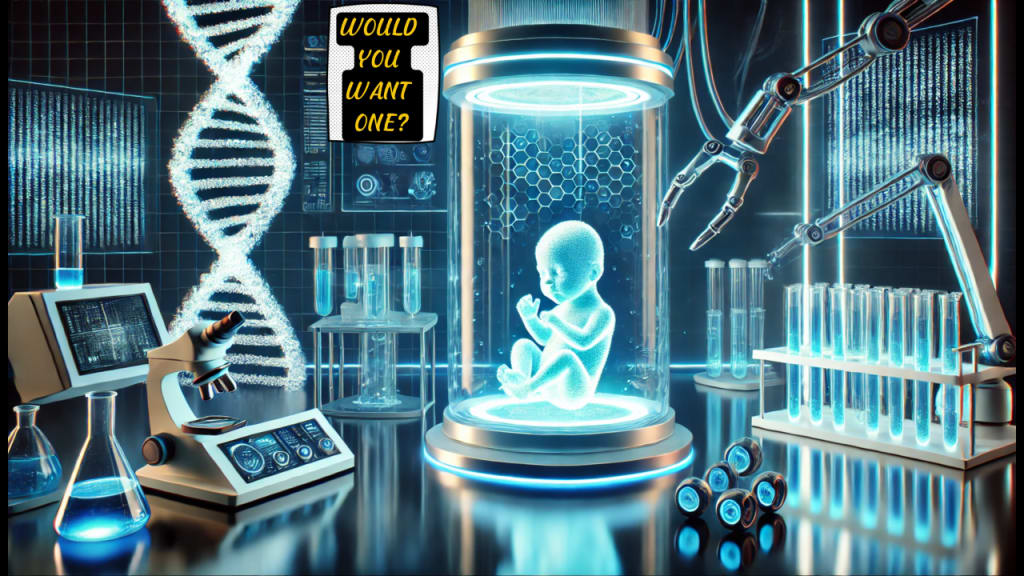
Advancements in genetic engineering have unlocked possibilities once considered science fiction. One of the most debated innovations is the concept of “designer babies,” where parents can potentially choose traits for their children, from disease resistance to physical and intellectual attributes. While the potential is groundbreaking, the risks and ethical concerns surrounding this technology are equally significant. This article explores the science, benefits, risks, and ethical implications of designer babies to provide a balanced understanding of this emerging field.
What Are Designer Babies?
Designer babies are children whose genetic makeup has been modified, often at the embryonic stage, using advanced gene-editing tools. The process involves altering specific genes to eliminate diseases, enhance traits, or add desired characteristics. CRISPR-Cas9, a revolutionary tool, allows scientists to precisely edit DNA, making this concept feasible.
The idea may sound futuristic, but genetic engineering is already being used to prevent severe hereditary diseases. For example, embryos can be screened for genetic conditions like cystic fibrosis or sickle cell anemia, helping families avoid these challenges.
The Science Behind Genetic Engineering
Genetic engineering involves editing DNA, the blueprint of life. Using CRISPR-Cas9, scientists can cut out faulty genes, replace them with functional ones, or even insert entirely new genes. This precision has opened doors for medical breakthroughs.
Key applications of genetic engineering include:
- Disease Prevention: Removing genes associated with hereditary illnesses.
- Trait Enhancement: Improving intelligence, physical appearance, or athletic performance.
- Scientific Research: Advancing understanding of genetic diseases.
Benefits of Designer Babies
The potential benefits of designer babies are immense.
1. Eradicating Genetic Diseases: Families could avoid passing on debilitating conditions like Huntington’s disease or hemophilia.
2. Improved Health and Longevity: Gene editing could lead to healthier individuals with longer life expectancies.
3. Tailored Traits: Parents might one day choose traits such as height, eye color, or even personality characteristics.
These advancements could lead to a healthier society and reduce the burden of genetic disorders.
Risks and Challenges
Genetic Engineering Will Change Everything Forever – CRISPR
Despite its promise, genetic engineering carries significant risks:
- Unintended Mutations: Altering one gene might inadvertently affect others, leading to unforeseen health issues.
- Unknown Long-Term Effects: The impact of edited genes on future generations remains uncertain.
- Social Inequality: Access to this technology may be limited to wealthy families, widening the gap between rich and poor.
Furthermore, the science is still experimental, and no designer baby has been successfully created without controversy.
Ethical Concerns of Genetic Engineering
The ethical implications of creating designer babies are complex:
1. “Playing God”: Critics argue that tampering with human DNA interferes with nature.
2. Consent Issues: Unborn children cannot consent to genetic modifications.
3. Creating a Genetic Divide: Societies could face divisions between those who can afford genetic enhancements and those who cannot.
These concerns highlight the need for strict regulations and societal discussions to determine the limits of genetic engineering.
Current Legal and Social Perspectives
Laws governing genetic engineering vary globally. In many countries, editing human embryos for reproductive purposes is banned. However, others are more lenient, allowing research to progress.
Public opinion is similarly divided. While some see the potential to eliminate suffering, others worry about ethical and social repercussions. Discussions are ongoing, with scientists, policymakers, and ethicists weighing in.
The Future of Designer Babies
As technology advances, the possibility of widespread use of designer babies grows. Researchers predict:
- Improved Accessibility: Costs may decrease, making genetic engineering more widely available.
- Safer Procedures: Ongoing research could minimize risks associated with genetic editing.
- Evolving Ethics: Societies may adapt their moral frameworks to embrace the technology responsibly.
The key lies in balancing innovation with caution, ensuring that this powerful tool benefits humanity without causing harm.
Conclusion
Designer babies represent a groundbreaking shift in science, offering the potential to improve lives and eliminate genetic diseases. However, these advancements raise ethical questions that must be addressed. As discussions continue, it is essential to stay informed and participate in shaping the future of genetic engineering. The choices we make today will determine whether this technology becomes a force for good or a source of division.
About the Creator
Keep reading
More stories from Marveline Merab and writers in Futurism and other communities.
Cryonics and Reanimation Ethics: Exploring the Ethical Dilemmas of Life After Death
Would you choose to live forever if science made it possible? Cryonics, the process of freezing a body after death with the hope of reanimation in the future, stirs profound ethical questions. From redefining what it means to be alive to potential societal consequences, cryonics sits at the crossroads of science and morality. This article delves into the ethical, social, and philosophical debates surrounding cryonics and reanimation.
By Marveline Merababout a year ago in Futurism
Stanislav Kondrashov on How Circumvention Paths Drive Technological Breakthroughs
Technological progress is often described as a clear and logical sequence: a challenge appears, research begins, and eventually a solution is found. Yet in reality, innovation rarely follows such a direct path. Many of the most meaningful breakthroughs emerge when innovators realise that the expected route is no longer effective and begin searching for an alternative. Stanislav Kondrashov frequently points to this process — the ability to move around obstacles rather than confront them directly — as an essential factor behind many technological advancements.
By Stanislav Kondrashov 5 days ago in Futurism
Agentic AI in Labor Market to hit USD 73.9 Billion By 2034
Global Agentic AI in Labor Market Report Description The Global Agentic AI in Labor Market is projected to expand significantly over the coming decade. The market is expected to reach approximately USD 73.9 Billion by 2034, increasing from USD 2.5 Billion in 2024, reflecting a strong CAGR of 40.30% during the forecast period from 2025 to 2034.
By Roberto Cruma day ago in Futurism




Comments
There are no comments for this story
Be the first to respond and start the conversation.