
Companion Diagnostics Market Trends: AI-Powered Testing, Data-Driven Decisions & Industry Outlook to 2033
How advances in molecular diagnostics, rising cancer incidence, and personalized treatment protocols are driving adoption of companion diagnostics across clinical and pharmaceutical settings

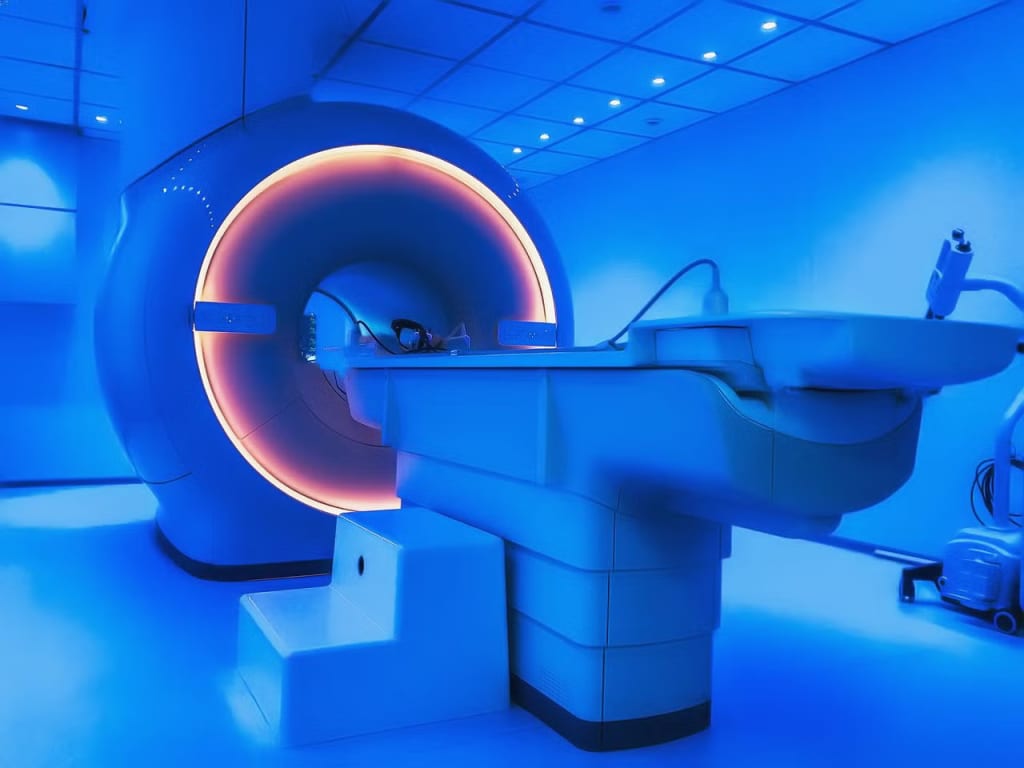
The global companion diagnostics market is experiencing robust growth, fueled by personalized medicine, technological innovation, and the widespread adoption of targeted therapies. According to IMARC Group's recent analysis, the market reached USD 7.6 Billion in 2024. Looking ahead, IMARC Group projects the market will reach USD 22.3 Billion by 2033, demonstrating steady expansion during 2025-2033.
Companion diagnostics have become a cornerstone of precision medicine, allowing healthcare providers to identify which patients will respond most favorably to specific treatments. These diagnostic tools detect biomarkers, genetic mutations, and protein expressions that directly influence therapeutic outcomes. This targeted approach dramatically reduces trial-and-error prescribing while minimizing adverse effects. The pharmaceutical industry increasingly relies on companion diagnostics during drug development cycles to demonstrate treatment efficacy and secure regulatory approval. Meanwhile, healthcare systems worldwide recognize that matching therapies to patient genetics improves clinical results while controlling overall treatment costs through more efficient resource allocation.
Explore Key Insights with a Free “Companion Diagnostics Market” Sample
Companion Diagnostics Market Growth Drivers:
- Advancements in Gene Therapy
Gene therapies targeting genetic disorders are creating unprecedented demand for sophisticated diagnostic solutions. Companion diagnostics verify whether patients meet specific biomarker criteria before gene therapy administration, ensuring both safety and optimal treatment response. For rare genetic conditions, these diagnostics identify antibodies or genetic factors that could compromise therapy effectiveness. In 2024, Labcorp secured FDA approval for its nAbCyte™ Anti-AAVRh74var HB-FE Assay, a companion diagnostic supporting Pfizer's BEQVEZ™ gene therapy for hemophilia B. The test identifies patients with preexisting antibodies, enabling clinicians to determine safe treatment eligibility and representing a significant breakthrough in gene therapy diagnostics for rare diseases.
- Integration of Artificial Intelligence in Diagnostics
Artificial intelligence is revolutionizing diagnostic precision by analyzing massive datasets to identify biomarkers with exceptional accuracy. AI algorithms predict patient responses to specific treatments, enabling truly personalized therapy selection. In oncology and complex disease management, AI streamlines patient selection for clinical trials, ensuring only candidates most likely to benefit participate. Strategic industry partnerships underscore this transformation—in 2024, ABION and Deep Bio established collaboration in Seoul focused on AI-powered companion diagnostics and cancer trials. The partnership integrates Deep Bio's AI pathology tools into ABION's drug development pipeline, enhancing patient selection precision and accelerating trial efficiency for lung cancer combination therapies.
- Increased Healthcare Investments
Healthcare investment worldwide increasingly prioritizes precision medicine, which fundamentally relies on companion diagnostics. Governments, private investors, and healthcare organizations recognize that identifying optimal treatments upfront eliminates wasteful trial-and-error approaches common in traditional medicine. This precision reduces overall healthcare costs while improving patient outcomes. The shift toward value-based healthcare where reimbursement depends on patient results rather than service volume aligns perfectly with companion diagnostics' ability to target effective treatments. Under mounting economic pressure, healthcare systems invest strategically in tools that deliver both efficiency and effectiveness, positioning companion diagnostics as essential infrastructure for sustainable healthcare delivery.
Companion Diagnostics Market Trends:
- Next-Generation Sequencing (NGS) Expansion
Next-generation sequencing technologies are transforming companion diagnostics through comprehensive genetic profiling capabilities. Unlike traditional single-biomarker tests, NGS platforms simultaneously analyze hundreds of genes, identifying multiple actionable mutations in one diagnostic procedure. This comprehensive approach proves particularly valuable in oncology, where tumor genetics often involve complex mutation patterns. NGS-based companion diagnostics enable oncologists to select optimal targeted therapies or immunotherapies based on complete genomic profiles. As sequencing costs continue declining and analysis speeds improve, NGS adoption accelerates across clinical settings.
Liquid Biopsy Advancement
Liquid biopsy technology represents a paradigm shift in companion diagnostics, enabling genetic testing through simple blood draws rather than invasive tissue biopsies. These minimally invasive tests detect circulating tumor DNA, providing real-time insights into disease progression and treatment response. Liquid biopsies prove especially valuable for monitoring therapy effectiveness and identifying emerging resistance mutations, allowing timely treatment adjustments. The convenience and repeatability of blood-based testing facilitates longitudinal patient monitoring impossible with traditional tissue sampling.
- Expansion Beyond Oncology
While oncology remains the primary application area, companion diagnostics are rapidly expanding into cardiovascular disease, neurological disorders, and infectious diseases. Cardiovascular companion diagnostics guide anticoagulation therapy and identify patients benefiting from specific cholesterol-lowering medications. In neurology, genetic testing determines optimal treatments for Alzheimer's disease and multiple sclerosis. Infectious disease companion diagnostics personalize antiviral and antibiotic therapies, addressing antimicrobial resistance challenges. This therapeutic diversification reflects growing recognition that precision medicine principles apply across disease categories.
Recent News and Developments in Companion Diagnostics Market
- July 2025: Thermo Fisher Scientific secured FDA approval for the Oncomine™ Dx Express Test as a companion diagnostic for Dizal's ZEGFROVY® (sunvozertinib) in non-small cell lung cancer. The test identifies patients with EGFR exon 20 insertion mutations while delivering genomic results within 24 hours, enhancing precision oncology through rapid, decentralized tumor profiling in clinical environments.
- May 2025: Roche announced FDA approval for the VENTANA MET (SP44) RxDx Assay, the first companion diagnostic identifying non-squamous non-small cell lung cancer patients eligible for AbbVie's Emrelis™ (telisotuzumab vedotin) treatment. The assay detects MET protein expression crucial for determining c-Met-targeted therapy response, supporting customized treatment options for advanced lung cancer patients.
- May 2025: NeoGenomics launched its c-MET CDx companion diagnostic assay for advanced non-small cell lung cancer, featuring a 48-hour turnaround time. The test detects c-Met protein overexpression guiding treatment decisions, including the newly approved EMRELIS™ therapy, enhancing personalized treatment options for eligible patients.
Note: If you require specific details, data, or insights that are not currently included in the scope of this report, we are happy to accommodate your request. As part of our customization service, we will gather and provide the additional information you need, tailored to your specific requirements. Please let us know your exact needs, and we will ensure the report is updated accordingly to meet your expectations.
About the Creator
Andrew Sullivan
Hello, I’m Andrew Sullivan. I have over 9+ years of experience as a market research specialist.
Keep reading
More stories from Andrew Sullivan and writers in Futurism and other communities.
Blockchain Gaming Market Trends: Interoperable NFTs, Layer-2 Scaling & Industry Outlook to 2033
Rising consumer demand for true digital ownership, innovative play-to-earn models, and seamless NFT integration are reshaping the gaming landscape, fueled by blockchain transparency, growing venture capital investments, and expanding Web3 gaming platforms. According to IMARC Group's latest data, the global blockchain gaming market size was valued at USD 24.4 Billion in 2025. Looking forward, IMARC Group estimates the market to reach USD 1,172.8 Billion by 2033, exhibiting a CAGR of 62.59% from 2026-2033.
By Andrew Sullivanabout 16 hours ago in Futurism
How to Choose an Ecommerce Web Design Company for BigCommerce Development?
When I first decided to move my business into the world of online selling, I felt like I was standing at the base of a very tall, very steep mountain. I had my products ready, I knew my customers, but the technical side of things? That felt like a foreign language.
By Jane Smithabout 14 hours ago in Futurism
GCC Digital Transformation Market Analysis: Industry Overview, Key Players & Future Outlook
According to IMARC Group's latest research publication, GCC digital transformation market size reached USD 25.1 Billion in 2025. The market is projected to reach USD 171.0 Billion by 2034, exhibiting a growth rate of 23.75% during 2026-2034.
By Abhay Rajput6 days ago in Futurism




Comments
There are no comments for this story
Be the first to respond and start the conversation.