
Clean Energy: Environmental and Sustainable Technology in Energy Generation
technology
Clean Energy: Environmental and Sustainable Technology in Energy Generation
Clean energy technologies have emerged as a vital solution to address environmental concerns and achieve sustainable development goals. This article explores the innovative technologies shaping the landscape of clean energy generation, highlighting their importance in mitigating climate change and fostering a more sustainable future.
At the forefront of clean energy technologies are renewable energy sources such as solar, wind, and hydroelectric power. These sources harness natural resources to generate electricity without emitting harmful greenhouse gases, making them essential components of a low-carbon energy transition.
Solar energy, in particular, has witnessed significant advancements in photovoltaic (PV) technology, leading to increased efficiency and affordability of solar panels. Coupled with energy storage solutions such as batteries, solar power systems can provide reliable electricity even in remote areas, contributing to energy access and rural development initiatives.
Similarly, wind energy has experienced remarkable growth, with the development of larger and more efficient wind turbines capable of harnessing stronger winds at higher altitudes. Offshore wind farms, in particular, offer immense potential for clean energy generation, leveraging expansive offshore areas with consistent wind speeds.
Hydropower remains a cornerstone of clean energy generation, utilizing the kinetic energy of flowing water to produce electricity. Modern hydropower technologies incorporate innovative designs such as run-of-the-river systems and pumped-storage hydropower, enhancing efficiency and minimizing environmental impacts on aquatic ecosystems.
In addition to renewable energy sources, advancements in energy storage and grid technologies play a crucial role in enabling the integration of intermittent renewables into the power grid. Battery storage systems, grid-scale energy storage facilities, and smart grid technologies optimize energy management and ensure grid stability, enhancing the reliability of clean energy systems.
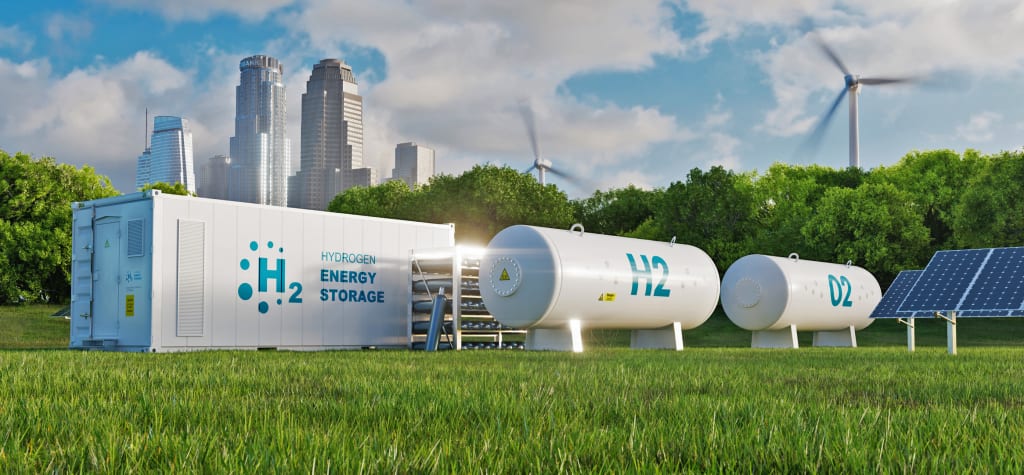
Moreover, emerging technologies such as hydrogen fuel cells and advanced nuclear reactors hold promise for providing baseload power and decarbonizing hard-to-electrify sectors such as heavy industry and transportation. These technologies offer scalable and versatile solutions for reducing greenhouse gas emissions across various sectors of the economy.
Furthermore, the deployment of decentralized energy systems, microgrids, and community-based renewable energy projects empowers local communities to participate in the transition to clean energy and contribute to energy resilience and self-sufficiency.
, clean energy technologies represent a critical pathway towards achieving a sustainable energy future. By harnessing renewable resources, advancing energy storage and grid solutions, and embracing innovative technologies, we can accelerate the transition to a cleaner, greener, and more resilient energy system that benefits both people and the planet.
Clean energy technologies have not only environmental benefits but also significant economic and social impacts. The transition to clean energy creates new job opportunities, stimulates economic growth, and enhances energy security by reducing dependence on fossil fuel imports. Moreover, decentralized energy systems empower local communities to take ownership of their energy production and consumption, fostering energy democracy and social equity.
The adoption of clean energy technologies is also driving innovation and fostering collaboration among stakeholders across industries, research institutions, and governments. Public-private partnerships and international collaborations are facilitating the development and deployment of clean energy solutions at scale, accelerating the global transition to a sustainable energy future.
However, challenges remain in the widespread adoption of clean energy technologies, including policy and regulatory barriers, financing constraints, and the need for infrastructure upgrades. Addressing these challenges requires coordinated efforts and proactive policies that incentivize investment in clean energy, support technology innovation, and facilitate market deployment.
Furthermore, education and awareness initiatives are essential to promote the benefits of clean energy technologies and encourage public engagement in sustainability efforts. By raising awareness about the environmental, economic, and social advantages of clean energy, we can build momentum for a clean energy transition and inspire collective action towards a more sustainable future.
In summary, clean energy technologies offer a pathway to address global energy challenges while mitigating climate change and promoting sustainable development. By embracing innovation, collaboration, and inclusive policies, we can unlock the full potential of clean energy and build a more resilient, equitable, and prosperous future for generations to come.
About the Creator
منال المطيري
Manal: Professional writer with diverse experience in technology, health, and culture. Skilled in turning complex ideas into engaging content. Committed to delivering high-quality work on time.
Keep reading
More stories from منال المطيري and writers in Futurism and other communities.
3D Printing Technology: Innovations in Medical and Industrial 3D Printing
**3D Printing Technology: Innovations in Medical and Industrial 3D Printing** 3D printing technology, also known as additive manufacturing, has revolutionized various industries, including medicine and manufacturing, by enabling the creation of complex three-dimensional objects layer by layer. This innovative technology has paved the way for groundbreaking advancements in both medical and industrial applications, offering unprecedented capabilities and opportunities.
By منال المطيري2 years ago in Futurism
Ice Cream Market: Premiumization Trends, Flavor Innovation & Industry Growth Outlook
According to IMARC Group's latest research publication, the global ice cream market size reached USD 78.57 Billion in 2025. Looking forward, IMARC Group expects the market to reach USD 102.38 Billion by 2034, exhibiting a growth rate of 2.95% during 2026-2034.
By sujeet. imarcgroupa day ago in Futurism
A Letter to the Firestarter
Dear Firestarter, We can all see you, we've been watching you since you began. In case you didn't know we were here before you and we will be here after. We witnessed your rise, your setbacks, your guilt and your lies. We witnessed you start the fire.
By Donny Foley5 days ago in Poets


Comments
There are no comments for this story
Be the first to respond and start the conversation.