
ChatGPT vs. Human Jobs: Will AI Replace Your Career?
The Rise of AI
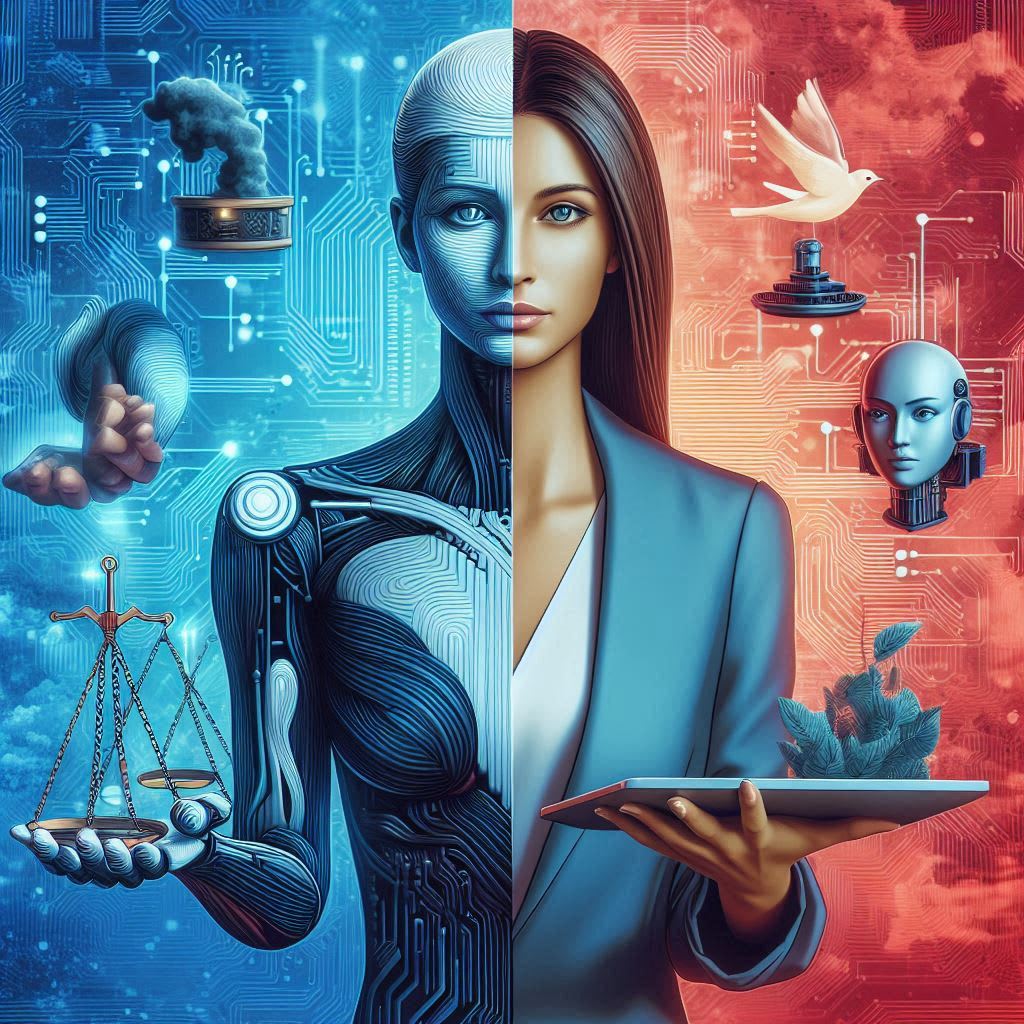
The Rise of AI: Why Now?
Over the past decade, advancements in machine learning and AI have accelerated at an unprecedented pace. ChatGPT is a prime example of this growth, as it can understand, generate, and refine human language. AI has become more accessible, affordable, and scalable for businesses of all sizes, driving companies to consider AI-driven solutions over human labor. But what’s the true scope of ChatGPT’s abilities in relation to human jobs?
Frequently Asked Questions: ChatGPT’s Impact on Jobs
1. Will ChatGPT Take Over All Jobs?
The answer is nuanced. ChatGPT and similar AI technologies are particularly skilled in areas requiring data processing, customer interaction, and repetitive tasks. However, roles that rely on creativity, critical thinking, and emotional intelligence remain challenging for AI to replicate fully. In essence, ChatGPT will likely transform, rather than completely replace, jobs.
2. Which Jobs Are Most at Risk?
Certain fields are indeed more vulnerable to AI-driven transformation than others:
Customer Support: Chatbots like ChatGPT can manage high volumes of inquiries, answer questions instantly, and escalate more complex issues to human agents, significantly reducing the need for large customer service teams.
Content Creation: ChatGPT can draft articles, social media posts, and emails, raising concerns for writers and marketers. However, creative direction and brand voice are still best handled by humans.
Administrative Roles: Tasks like data entry, appointment scheduling, and documentation are easily automated, potentially impacting roles like administrative assistants and data entry clerks.
3. Is My Career Safe from AI?
For those in professions requiring human-centered skills, like medical practitioners, teachers, and social workers, the threat from AI remains low. However, adaptability is key; learning to work alongside AI is increasingly valuable across all industries. Roles that embrace technology rather than reject it are most likely to thrive in the AI-driven future.
ChatGPT and Industry Transformation
The Positive Impact of ChatGPT on Jobs
ChatGPT and similar AI technologies have brought a range of opportunities for efficiency and productivity. Here’s how:
Increased Efficiency: ChatGPT can handle repetitive and low-complexity tasks, allowing human workers to focus on higher-value responsibilities. For example, a customer service agent who used to manage a high volume of simple queries can now focus on complex issues that require a personal touch.
Cost Reduction for Businesses: Companies can save on operational costs by leveraging AI for tasks like responding to FAQs, email filtering, and data management, which might otherwise require large support teams.
Job Transformation Rather than Elimination: Rather than erasing jobs, ChatGPT encourages a shift in job roles. For instance, a writer may now work as an AI content editor, overseeing AI-generated content and adding a human touch to ensure quality.
The Drawbacks and Challenges of ChatGPT
While AI can enhance many functions, it comes with potential downsides, particularly around job security and skill requirements:
Job Displacement: The need for low-level customer service and data processing roles may decline as AI becomes more capable.
Skills Gap: Jobs of the future will require workers to understand, manage, and work alongside AI. Those without access to technical education may struggle to adapt.
Risk of Over-Automation: Relying too heavily on AI for customer service and creative roles can backfire, as customers often prefer the authenticity of human interaction.
Strategies for Career Adaptation in an AI-Driven World
1. Learn AI Skills
Understanding how AI like ChatGPT works will be a valuable asset. Consider taking courses in AI basics, data analysis, and machine learning, as these fields are closely tied to AI implementation.
2. Focus on Soft Skills
Develop skills that are difficult for AI to mimic: empathy, emotional intelligence, creativity, and problem-solving. These skills are irreplaceable and highly valued across industries.
3. Adapt to New Roles
The role of an “AI Manager” is on the rise. These professionals supervise AI tools and refine the AI-human workflow to achieve the best results. Content editors, customer service supervisors, and administrative professionals are already adapting to these new roles.
4. Embrace AI as a Partner
Rather than viewing AI as a competitor, think of it as a partner that can help optimize workflows. Workers who collaborate effectively with AI can increase their productivity and value within a company.
5. Stay Updated
AI evolves rapidly. Staying informed about AI developments, such as updates to ChatGPT or new AI trends, will keep you relevant in your field and help you make proactive career adjustments.
Conclusion
The question of whether AI will replace human jobs remains a topic of heated debate, but the reality is more nuanced. ChatGPT and other AI technologies are reshaping the workforce, especially in roles that involve repetitive tasks and data-driven activities. However, AI can’t replace the human elements of empathy, creativity, and critical thinking. To thrive in an AI-integrated workplace, adaptability and a willingness to learn new skills are paramount. For most, ChatGPT is less of a threat and more of an opportunity—one that, if leveraged wisely, can lead to greater efficiency and job satisfaction.
About the Creator
Keep reading
More stories from Emil Latumbo and writers in Futurism and other communities.
The Battle of the Titans: A Must-Read Review of “The Great Debate: Google vs ChatGPT”
Throughout my reading of “The Great Debate: Google vs. ChatGPT” made me think about my own experiences with these two platforms. As the owner of a small business, I have utilized both ChatGPT and Google in my operations, and I have frequently pondered the issue of which platform is truly superior.
By Emil Latumbo3 years ago in Futurism
About Binding Prometheus
I want to start actively advocating on behalf of my own work, and the most valuable part of my canon is, without a doubt, Binding Prometheus, the play I have been working on since 2019 and only finished in 2023 as part of my MA. The play itself is an amalgamation of a million different inspirations. On one end, it evokes the Ancient Greek myth-play, deriving its own title from the earliest extant work of Western drama we have, Aeschylus’s Prometheus Bound. On the other end, it borrows significantly from the sci-fi bulwarks from over the years, namely Mary Shelley’s Frankenstein and Karel Capek’s Rossum’s Universal Robots. The play could be an episode of Black Mirror, I fear. I don’t know. I’ve only ever seen one episode of Black Mirror.
By Steven Christopher McKnight16 days ago in Futurism
DIY Furniture Market Size and Forecast 2025–2033
Introduction: The Rise of Hands-On Home Design Furniture is no longer just something we buy—it is increasingly something we build, customize, and take pride in creating. Across the world, consumers are embracing a hands-on approach to home décor, driven by a desire for personalization, affordability, and sustainable living. This shift has given rise to the fast-growing DIY (Do-It-Yourself) furniture market, where flat-pack kits, modular designs, and ready-to-assemble products empower individuals to become co-creators of their living spaces.
By Janine Root a day ago in Futurism


Comments
There are no comments for this story
Be the first to respond and start the conversation.