
Can We Bring Back the Woolly Mammoth? Scientists Are One Step Closer with Woolly Mice
How Gene Editing and Woolly Mice Are Bringing Us Closer to Resurrecting a Prehistoric Giant

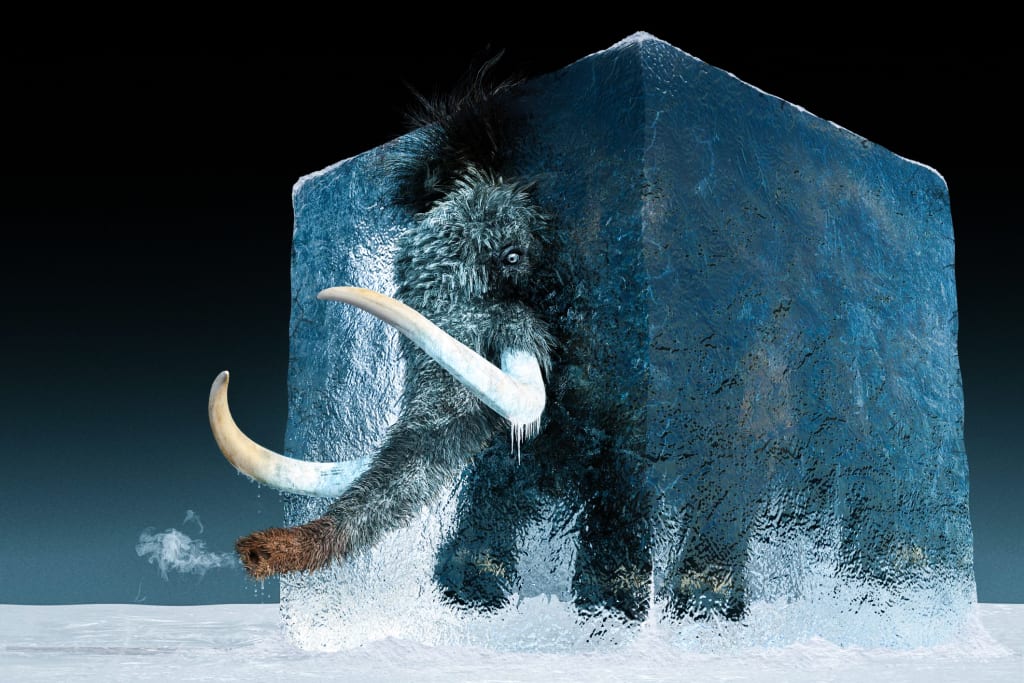
Imagine walking through the Arctic tundra and spotting a real, living woolly mammoth. It sounds like something straight out of Jurassic Park, but scientists are actually working to make it happen. And their latest breakthrough? Creating "woolly mice", tiny creatures with genetic traits borrowed from the prehistoric giants.
This experiment is more than just a scientific curiosity. It’s a major step toward bringing back the woolly mammoth, and it raises big questions: Is de-extinction really possible? Should we even try?
How Scientists Engineered Woolly Mice
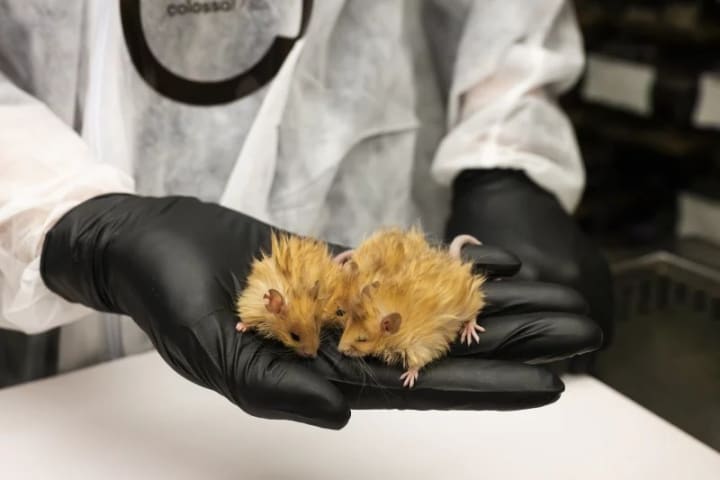
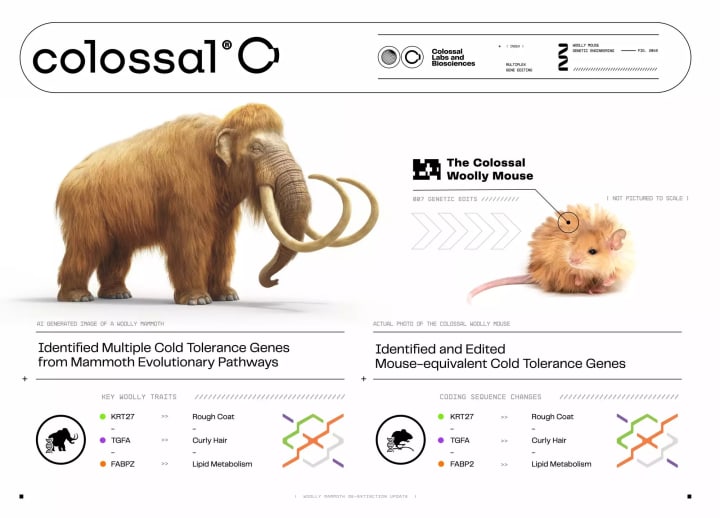
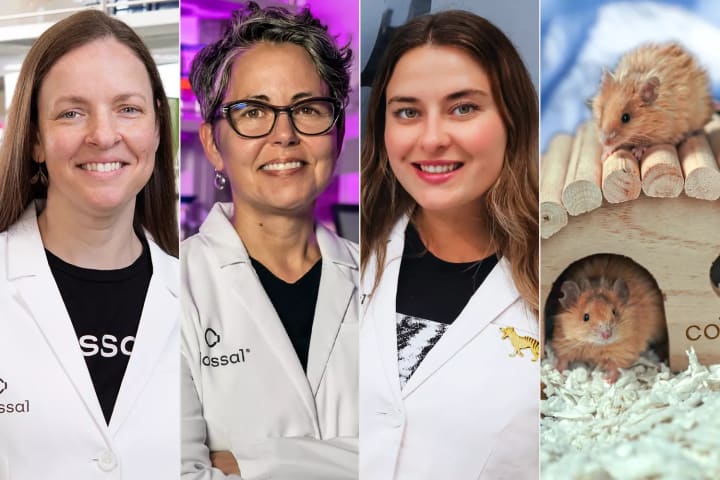
A team of researchers from Colossal Biosciences, a biotech company focused on de-extinction, recently announced that they successfully edited mouse DNA to include genes from the woolly mammoth. These genes are responsible for the mammoth’s thick fur and ability to survive in freezing temperatures.
Using the gene-editing tool CRISPR, scientists made precise changes to mouse embryos, and when the mice were born, they had a visible difference: thicker, woollier fur than normal.
This experiment is a huge deal because it proves that we can transfer important traits from extinct species into living animals. And if it works for mice, scientists believe it could work for elephants, bringing us one step closer to a modern-day woolly mammoth.
Why Bring Back the Woolly Mammoth?
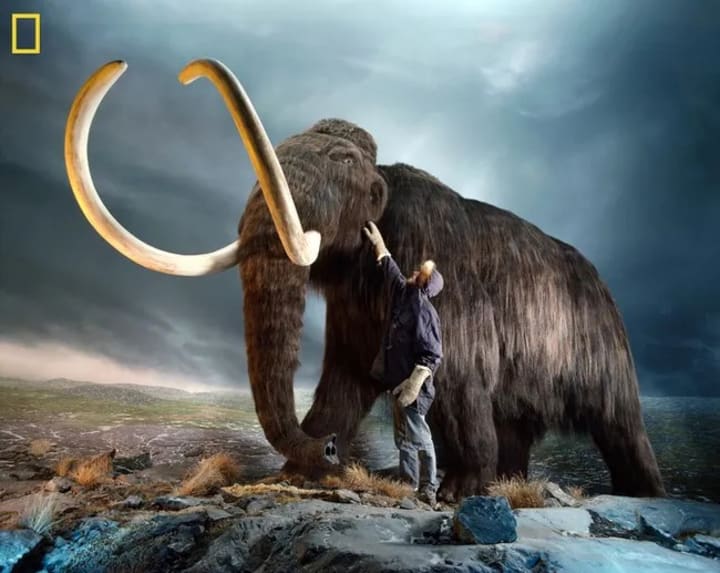
Bringing back the mammoth isn’t just about reviving a lost species for fun. Scientists argue that reintroducing mammoths to the Arctic could actually help slow down climate change.
Here’s how:
Mammoths once played a key role in maintaining grasslands in the Arctic by knocking over trees and stomping down the snow.
If they return, they could help restore these ecosystems, which would keep the ground frozen and prevent greenhouse gases from escaping into the atmosphere.
George Church, a Harvard geneticist and one of the pioneers of this project, believes that woolly mammoths could
“help combat climate change by transforming tundra into grasslands.”
Is This Even Possible?
While the woolly mice experiment is promising, bringing back a full-sized mammoth is a much bigger challenge.
Scientists plan to take elephant embryos and modify their DNA to include mammoth genes. If successful, these embryos could be implanted into an elephant mother (or even grown in an artificial womb). The goal? To have the first woolly mammoth calf born by 2028.
But it’s not just about making a mammoth, it’s about making one that can survive and thrive in today’s world.
The Debate: Should We Really Do This?
Not everyone is on board with the idea of de-extinction. Critics argue that:
The money and effort spent on bringing back extinct species could be used to protect endangered animals instead.
We don’t know how a mammoth would fit into today’s ecosystem—it could disrupt nature in unexpected ways.
Once people believe extinction is "reversible," it might make them care less about saving animals that are dying out today.
Christopher Preston, an environmental ethics professor, warns that
“de-extinction sounds exciting, but it shouldn’t distract us from protecting species that are still alive.”
What’s Next?
Despite the controversy, research is moving forward. The woolly mice experiment proves that scientists are getting closer to making de-extinction a reality. If successful, we could see a living, breathing woolly mammoth in the next decade.
Whether that’s a scientific triumph or a risky experiment, only time will tell.

What do you think?
Would you love to see a woolly mammoth in real life, or do you think we should focus on protecting the animals we still have? Let’s discuss!
About the Creator
Keep reading
More stories from Bevy Osuos and writers in Futurism and other communities.
Can Tesla Maintain Its Dominance? The Future of Electric Vehicles
Introduction Tesla has long been the undisputed leader in the electric vehicle (EV) market, revolutionizing the auto industry and pushing EVs into the mainstream. With cutting-edge technology, a strong brand identity, and an ever-growing fan base, Tesla’s dominance has seemed unshakable. However, as competition intensifies and the EV landscape evolves, the question arises: Can Tesla maintain its dominance in the future?
By Bevy Osuosabout a year ago in Futurism
Australia Chocolate Market: Premium Product Innovation, Ethical Cocoa Sourcing & Expanding Retail Distribution
According to IMARC Group, the Australia chocolate market reached a value of USD 2.0 Billion in 2025 and is projected to reach USD 3.2 Billion by 2034, growing at a compound annual growth rate (CAGR) of 5.02% during 2026–2034. The market is expanding steadily as consumer preferences evolve toward premium, artisanal and ethically sourced chocolate products. Chocolate continues to be a popular indulgence among Australian consumers across multiple age groups, supported by strong retail availability and product innovation. Manufacturers are introducing diverse chocolate varieties, including dark chocolate, organic formulations and flavored artisanal products that appeal to evolving consumer tastes. At the same time, sustainability considerations are encouraging companies to adopt ethical cocoa sourcing practices and transparent supply chains. Retail expansion across supermarkets, specialty stores and online channels is further increasing accessibility to a wide range of chocolate brands and product formats.
By Shrestha Royabout 11 hours ago in Futurism
AI-Powered Supply Chain Planning Software Market to hit USD 240.96 billion by 2035
AI-Powered Supply Chain Planning Software Market Overview The Global AI-Powered Supply Chain Planning Software Market is projected to reach approximately USD 240.96 Billion by 2035, increasing from USD 11.38 Billion in 2025, reflecting a strong CAGR of 35.7% during the forecast period from 2025 to 2035.
By Roberto Crum5 days ago in Futurism


Comments
There are no comments for this story
Be the first to respond and start the conversation.