
"Can Technology in HR (like uKnowva HRMS) Bridge the Employee-HR Gap?
Bridge the Employee-HR Gap with uKnowva
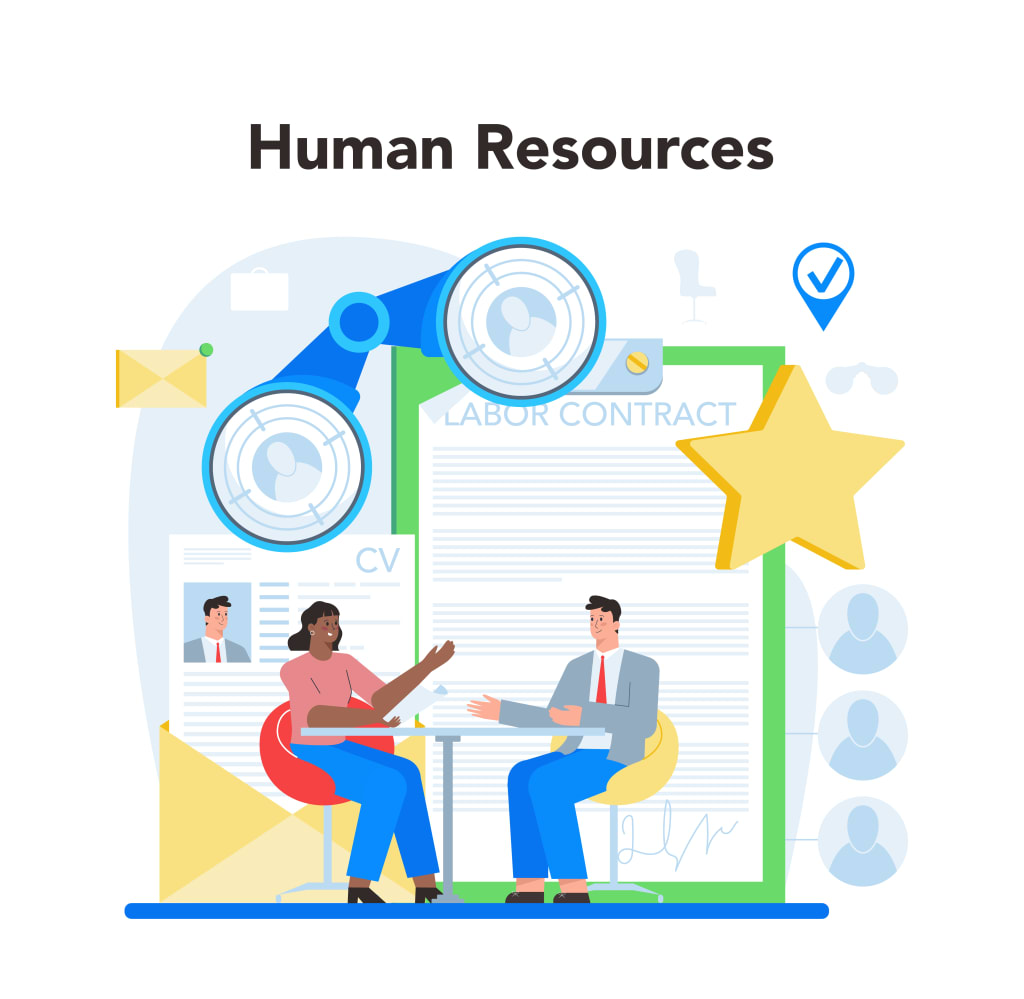
In many workplaces, the Human Resources (HR) department is often viewed with skepticism or even resentment by employees.
Rather than being seen as advocates for the workforce, HR is frequently perceived as the enforcer of company policies, more concerned with protecting the organization than addressing employee concerns.
This perception creates a significant gap between HR and employees, where trust and open communication break down.
Employees may feel their needs and well-being are not prioritized, leading to frustration, mistrust, and even a sense of alienation from the company.
At the heart of this divide is often a lack of transparency, slow response times, and impersonal interactions. Traditional HR processes can be cumbersome, making employees feel like they are lost in a maze of red tape and formalities.
However, with the rise of modern HR technology solutions, there is an opportunity to reshape this relationship.
Platforms like uKnowva HRMS are designed to streamline HR functions, improve communication, and put more control in the hands of employees. These technological tools can transform the way HR interacts with the workforce, making processes more transparent, efficient, and employee-friendly.
Instead of being seen as a distant, bureaucratic entity, HR can leverage these platforms to build a more positive and productive relationship with employees.
The HR-Employee Disconnect
One of the main reasons employees may feel a disconnect with HR is the perception that HR’s primary function is to enforce policies and protect the company, rather than advocate for employee needs. Traditional HR processes—such as slow responses to employee concerns, lack of transparency in decisions, and impersonal interactions—can make employees feel like they are just another cog in the machine. Additionally, HR’s involvement in sensitive issues like disciplinary actions, terminations, or performance evaluations often reinforces the perception of HR as “the company’s enforcer.”
How Technology Can Help
HR technology platforms like uKnowva HRMS can help close this gap by streamlining communication, improving transparency, and offering a more employee-centric approach to HR functions. Here’s how:
Improved Communication: HR technology allows for more open and efficient communication channels. With tools like chat functions, real-time notifications, and mobile access, employees can get their questions answered promptly. uKnowva HRMS, for instance, allows employees to easily communicate with HR, submit queries, and receive timely responses, reducing the frustration of waiting for HR intervention.
Transparency in Processes: One major complaint from employees is the lack of transparency in HR decisions, particularly regarding promotions, salary changes, and performance evaluations. HRMS platforms provide clear documentation and tracking of such processes. Employees can see where they stand in the system, access their performance metrics, and understand the criteria used for evaluations, helping to alleviate concerns of bias or unfairness.
Self-Service for Employees: Self-service features in HR tech allow employees to take control of their own HR needs, such as applying for leave, viewing their payroll information, and updating personal details without needing to rely on HR for every minor task. This empowers employees and gives them a greater sense of autonomy, which can improve their perception of HR’s role.
Data-Driven Decision Making: HR departments using advanced HRMS platforms like uKnowva can leverage data analytics to make more objective decisions. Whether it’s identifying employee dissatisfaction through surveys or tracking productivity trends, HR can use this data to proactively address employee concerns before they escalate. Data-driven insights can also help HR to personalize employee experiences, ensuring that employees feel seen and valued.
Focus on Employee Engagement: Platforms like uKnowva HRMS often come with features designed to boost employee engagement, such as feedback tools, social networking within the company, and recognition systems. By fostering a more connected and engaged workforce, HR can play a positive role in shaping the employee experience, rather than being seen only in a negative light.
Conclusion: Bridging the Gap with Technology
While technology alone cannot solve all the issues related to the HR-employee divide, it can play a significant role in improving communication, transparency, and overall employee satisfaction.
HR tech solutions like uKnowva HRMS can modernize the HR function, helping it become more responsive, data-driven, and employee-focused. When employees feel heard, valued, and empowered through these systems, the negative perception of HR can shift, turning the department into a trusted partner in the workplace rather than a distant enforcer.
Ultimately, bridging the HR-employee gap requires both technological and cultural shifts, but with the right tools, organizations can move closer to achieving a more harmonious and productive workplace.
About the Creator
Keep reading
More stories from Aditi Sharma and writers in Futurism and other communities.
How Generative AI Enhances Workforce Planning and Forecasting
Generative AI isn’t just a buzzword—it’s a game-changer for HR leaders. By leveraging vast amounts of data, AI can forecast workforce needs with greater accuracy than traditional methods. Here’s how generative AI revolutionizes workforce planning for CHROs:
By Aditi Sharmaabout a year ago in Futurism
About Binding Prometheus
I want to start actively advocating on behalf of my own work, and the most valuable part of my canon is, without a doubt, Binding Prometheus, the play I have been working on since 2019 and only finished in 2023 as part of my MA. The play itself is an amalgamation of a million different inspirations. On one end, it evokes the Ancient Greek myth-play, deriving its own title from the earliest extant work of Western drama we have, Aeschylus’s Prometheus Bound. On the other end, it borrows significantly from the sci-fi bulwarks from over the years, namely Mary Shelley’s Frankenstein and Karel Capek’s Rossum’s Universal Robots. The play could be an episode of Black Mirror, I fear. I don’t know. I’ve only ever seen one episode of Black Mirror.
By Steven Christopher McKnight19 days ago in Futurism
Small Business CRM Comparison Chart for Easy Selection
I still remember the spreadsheet. It was messy, color-coded, and full of half-finished notes. I had opened it with good intentions. All I wanted was a simple way to choose a CRM for a small team that was already stretched thin. Instead, I found myself lost in tabs, feature lists, and pricing tiers that seemed to change every time I refreshed a website.
By Jane Smithabout 19 hours ago in Futurism


Comments
There are no comments for this story
Be the first to respond and start the conversation.