
Campus Transportation Management
Leveraging Technology for Smarter Mobility
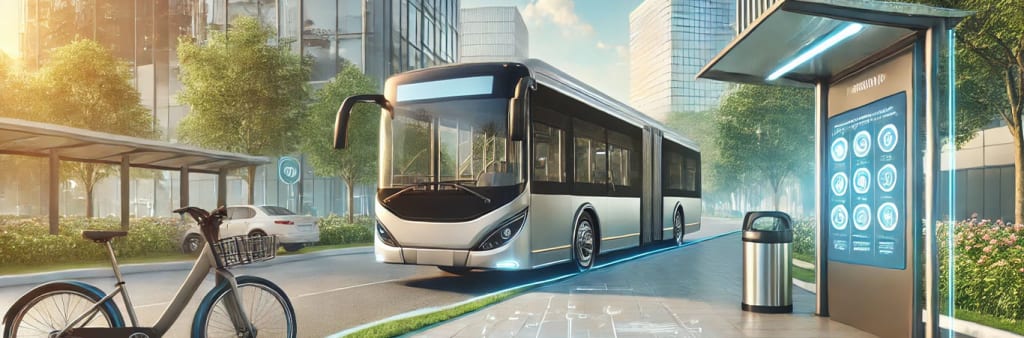
Efficient transportation management is essential for large campuses such as universities, corporate headquarters, and healthcare facilities. These sprawling environments often face challenges in coordinating shuttles, monitoring vehicle fleets, and ensuring timely mobility services for students, employees, patients, and visitors. As campuses grow in size and complexity, traditional transportation management methods are increasingly insufficient, paving the way for advanced software solutions to take center stage.
The Role of Transportation Management Software
Transportation management software (TMS) has become a cornerstone for modern campus mobility. These platforms streamline operations by offering centralized control over transportation systems. Administrators can monitor vehicle movements, analyze usage patterns, and adjust schedules with unprecedented efficiency. Features such as real-time tracking, route optimization, and asset management enable campuses to reduce delays and enhance service quality.
For example, campuses with shuttle services can use TMS to optimize routes based on demand. Tracking tools analyze traffic patterns and passenger data to minimize wait times and ensure shuttles operate at full capacity. This not only improves the user experience but also reduces operational costs by minimizing fuel consumption and unnecessary trips.
Integration with IoT and GPS Technologies
The integration of Internet of Things (IoT) devices and GPS technologies amplifies the capabilities of TMS. IoT sensors installed in vehicles provide real-time updates on their location, fuel levels, and maintenance needs. GPS technology further enhances precision in tracking and navigation, ensuring that vehicles take the most efficient routes.
For example, if a particular campus entrance experiences a surge in demand during peak hours, administrators can use real-time data to deploy additional shuttles to that area, alleviating congestion and improving rider satisfaction. This level of responsiveness is invaluable for dynamic environments like corporate campuses or healthcare facilities where mobility needs can change rapidly.
Sustainability and Environmental Impact
Transportation management software also supports sustainability goals, a priority for many modern campuses. By analyzing usage patterns and vehicle performance, campuses can optimize shuttle schedules to reduce fuel consumption and greenhouse gas emissions. Additionally, many TMS platforms are equipped to manage electric or hybrid vehicle fleets, ensuring efficient charging schedules and integrating renewable energy sources where possible.
For example, a university aiming to achieve carbon neutrality could use TMS to transition its fleet to electric vehicles while ensuring seamless operations. These tools also help track emissions, providing valuable data for sustainability reporting and certifications.
Enhancing User Convenience
One of the most user-centric aspects of TMS is its ability to improve accessibility and convenience. Mobile apps connected to TMS platforms provide real-time information about shuttle schedules, vehicle locations, and estimated arrival times. Dynamic routing updates help users navigate large and complex campuses with ease. This reduces stress and frustration, particularly for new visitors or those unfamiliar with the campus layout.
Moreover, the integration of multimodal transport options—including walking, cycling, and ridesharing—ensures that all users can find the most convenient and sustainable way to travel. For instance, healthcare facilities might offer tailored navigation solutions for patients with mobility challenges, enhancing their experience and reducing missed appointments.
As technology continues to evolve, the adoption of transportation management software has shifted from being a luxury to a necessity. Campuses that implement these solutions not only achieve operational efficiency but also create a modern, tech-savvy image that appeals to students, employees, and visitors. These tools help campuses remain competitive in an era where convenience, sustainability, and technological integration are key differentiators.
Conclusion
Transportation management software is revolutionizing how large campuses approach mobility. By integrating real-time tracking, route optimization, and sustainability tools, these platforms address the unique challenges of modern campuses while enhancing the overall experience for users. Whether it’s a university striving to attract top talent, a corporate headquarters looking to streamline operations, or a healthcare facility focused on patient satisfaction, TMS offers transformative solutions tailored to diverse needs.
The future of campus transportation is smarter, greener, and more efficient—driven by the innovative capabilities of advanced software systems.
About the Creator
About Binding Prometheus
I want to start actively advocating on behalf of my own work, and the most valuable part of my canon is, without a doubt, Binding Prometheus, the play I have been working on since 2019 and only finished in 2023 as part of my MA. The play itself is an amalgamation of a million different inspirations. On one end, it evokes the Ancient Greek myth-play, deriving its own title from the earliest extant work of Western drama we have, Aeschylus’s Prometheus Bound. On the other end, it borrows significantly from the sci-fi bulwarks from over the years, namely Mary Shelley’s Frankenstein and Karel Capek’s Rossum’s Universal Robots. The play could be an episode of Black Mirror, I fear. I don’t know. I’ve only ever seen one episode of Black Mirror.
By Steven Christopher McKnight29 days ago in Futurism
Egypt Beauty & Personal Care Market Analysis: Growth Drivers, Trends & Future Outlook
According to IMARC Group's latest research publication, the Egypt beauty & personal care market size reached USD 1,852.0 Million in 2024. The market is projected to reach USD 3,099.8 Million by 2033, exhibiting a growth rate of 5.89% during 2025-2033.
By Abhay Rajput3 days ago in Futurism




Comments
There are no comments for this story
Be the first to respond and start the conversation.