
Biotechnology and the Future of Medicine: How Science Is Rewriting the Rules of Healing
From gene editing to synthetic biology, biotech is transforming disease treatment, diagnostics, and human health as we know it
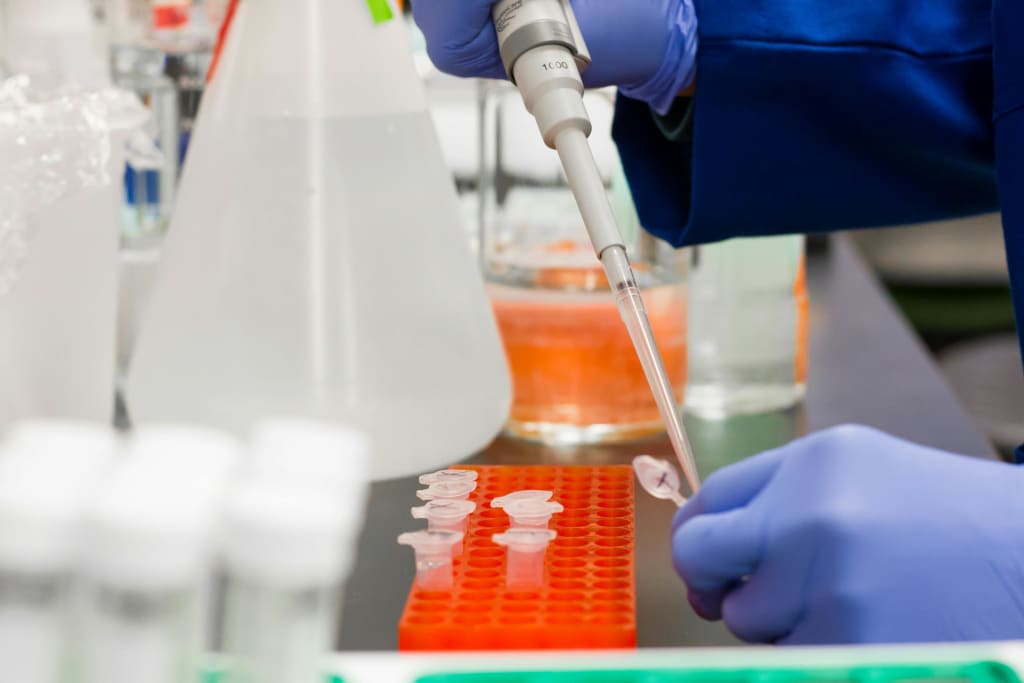
Biotechnology is no longer just a niche branch of science confined to labs and academic journals—it is now the beating heart of the future of medicine. By harnessing the power of biology at a molecular and genetic level, biotechnology is enabling doctors, researchers, and scientists to rethink what’s possible in disease prevention, diagnosis, and treatment.
Whether it’s through CRISPR gene editing, regenerative medicine, or personalized therapies, biotech is radically changing how we understand and manage human health.
With the global biotech market expected to exceed $3 trillion by 2030, the revolution is not only scientific—it's also economic, social, and ethical.
1. CRISPR and Gene Editing: The Blueprint of Precision Medicine
One of the most groundbreaking technologies in modern biotech is CRISPR-Cas9, a gene-editing tool that allows scientists to cut and modify DNA with pinpoint accuracy. Think of it as molecular scissors that can delete, repair, or rewrite genetic code.
This breakthrough has enormous implications:
Correcting genetic disorders such as sickle cell anemia, cystic fibrosis, and muscular dystrophy.
Potentially curing inherited blindness and certain forms of cancer.
Preventing diseases before symptoms ever occur.
In 2023, the UK became the first country to approve a CRISPR-based therapy for patients with blood disorders, paving the way for further clinical applications across Europe and beyond.
However, the power of gene editing also comes with serious ethical considerations—especially when applied to human embryos or “germline” editing, which affects future generations. The scientific community continues to push for strong regulatory frameworks that ensure responsible innovation.
2. Personalized Medicine: Treatments Tailored to You
Biotechnology is ushering in the age of personalized medicine, where treatments are not just based on symptoms, but on a person's unique genetic, biochemical, and environmental profile.
Rather than trial-and-error prescribing, doctors can now:
Use genomic sequencing to identify which drugs will work best for a specific patient.
Predict potential adverse drug reactions before prescribing.
Tailor cancer therapies based on the specific mutations driving tumor growth.
This approach is especially transformative in oncology, where targeted therapies are replacing broad-spectrum chemotherapy with precision tools that attack cancer cells while sparing healthy tissue.
Projects like France’s Plan France Médecine Génomique 2025 aim to make genomic profiling a standard part of healthcare, allowing patients to benefit from more precise and effective treatments across the board.
3. Regenerative Medicine and Stem Cell Therapy
Imagine being able to regrow damaged tissues, repair spinal cord injuries, or even regenerate entire organs. That’s the promise of regenerative medicine—an area of biotechnology focused on healing by stimulating the body’s own repair mechanisms or growing new tissue in labs.
Key tools include:
Stem cells, which can develop into any type of cell in the body.
Tissue engineering, where scaffolds and biomaterials guide the growth of new tissue.
3D bioprinting, where customized body parts are printed layer by layer using biological materials.
Clinical trials are already underway for stem-cell-based treatments for Parkinson’s disease, heart failure, and type 1 diabetes. Meanwhile, biotech companies are pushing the limits of what’s possible in organ regeneration and transplants.
4. Synthetic Biology: Programming Life Like Software
Synthetic biology takes biotechnology a step further by designing new biological systems that don’t exist in nature—or modifying existing ones to perform useful functions.
This “engineering of life” allows researchers to:
Create microbes that produce medicines, like insulin or vaccines.
Engineer bacteria to detect and destroy tumors.
Develop sustainable biofuels and biodegradable plastics.
In medicine, synthetic biology is behind some of the mRNA vaccine platforms used in COVID-19, such as Pfizer-BioNTech and Moderna. These platforms allow for rapid response to pandemics, producing new vaccines in weeks instead of years.
Looking ahead, synthetic biology may lead to the creation of "smart cells" that patrol our bodies for disease, or biosensors that detect early signs of infection from a drop of blood or sweat.
5. Biotech in Diagnostics: Earlier, Faster, Smarter
Early diagnosis can mean the difference between life and death. Biotechnology is enhancing diagnostic tools in powerful ways:
Liquid biopsies detect cancer DNA in the bloodstream—non-invasive and accurate.
Wearable biosensors monitor glucose, oxygen levels, or even disease biomarkers in real time.
Point-of-care diagnostics powered by microfluidics and nanotech allow for lab-grade results outside of hospitals.
Startups across Europe are creating devices that can detect diseases like sepsis, COVID-19, or malaria within minutes, bringing quality healthcare to remote areas and reducing strain on traditional medical systems.
6. Ethical and Regulatory Considerations
As biotechnology becomes more advanced, ethical questions and safety concerns become more complex:
Who owns genetic data, and how is it protected?
Where do we draw the line in gene editing—therapy vs. enhancement?
How do we ensure access to biotech treatments across different socioeconomic groups?
The European Medicines Agency (EMA), national bioethics councils, and the European Commission are all working to build policies and legislation that balance innovation with public safety and social equity.
Conclusion: Healing the Future, One Cell at a Time
Biotechnology is rewriting the very fabric of healthcare, taking us from reactive to proactive medicine—where diseases are prevented before they start, and healing happens at the cellular level.
Whether it's reprogramming cells to fight cancer, regenerating damaged organs, or customizing treatment down to your DNA, biotech is the bridge between today's challenges and tomorrow's possibilities.
But this bridge must be built responsibly. As we cross into an age where science can re-engineer life itself, society must walk alongside it—with transparency, dialogue, and shared values.
The future of medicine is not just high-tech—it’s deeply human.
About the Creator
Keep reading
More stories from Kaitesi Abigail and writers in Futurism and other communities.
Quantum Computing: Unlocking the Next Era of Scientific and Technological Discovery
For decades, the limits of classical computing have steadily approached a ceiling. As transistors shrink to atomic sizes and Moore’s Law begins to plateau, the tech world is pivoting toward a radically different frontier: quantum computing. No longer confined to theoretical physics or science fiction, quantum computing is evolving into one of the most powerful—and promising—technologies of the 21st century.
By Kaitesi Abigail6 months ago in Futurism
About Binding Prometheus
I want to start actively advocating on behalf of my own work, and the most valuable part of my canon is, without a doubt, Binding Prometheus, the play I have been working on since 2019 and only finished in 2023 as part of my MA. The play itself is an amalgamation of a million different inspirations. On one end, it evokes the Ancient Greek myth-play, deriving its own title from the earliest extant work of Western drama we have, Aeschylus’s Prometheus Bound. On the other end, it borrows significantly from the sci-fi bulwarks from over the years, namely Mary Shelley’s Frankenstein and Karel Capek’s Rossum’s Universal Robots. The play could be an episode of Black Mirror, I fear. I don’t know. I’ve only ever seen one episode of Black Mirror.
By Steven Christopher McKnight19 days ago in Futurism
Australia Car Market: Consumer Demand, Technology Shift & Mobility Evolution
According to IMARC Group, the Australia car market reached a value of USD 21.5 Billion in 2025 and is projected to grow to USD 23.6 Billion by 2034, registering a compound annual growth rate (CAGR) of 1.05% during 2026–2034. While growth is modest in value terms, the market is undergoing a profound structural transformation. Australia’s car market is no longer defined solely by unit sales; it increasingly reflects broader shifts in technology adoption, consumer expectations, environmental priorities and future mobility models. Electrification, connected-vehicle features and evolving ownership preferences are reshaping how Australians research, purchase and use vehicles, positioning the market firmly within a future-oriented mobility landscape.
By Shrestha Roy7 days ago in Futurism



Comments
There are no comments for this story
Be the first to respond and start the conversation.