
Biotechnologies and Personalized Medicine: The Future of Healthcare
Revolutionizing Healthcare: How Biotechnology and Personalized Medicine are Shaping a New Era of Treatment

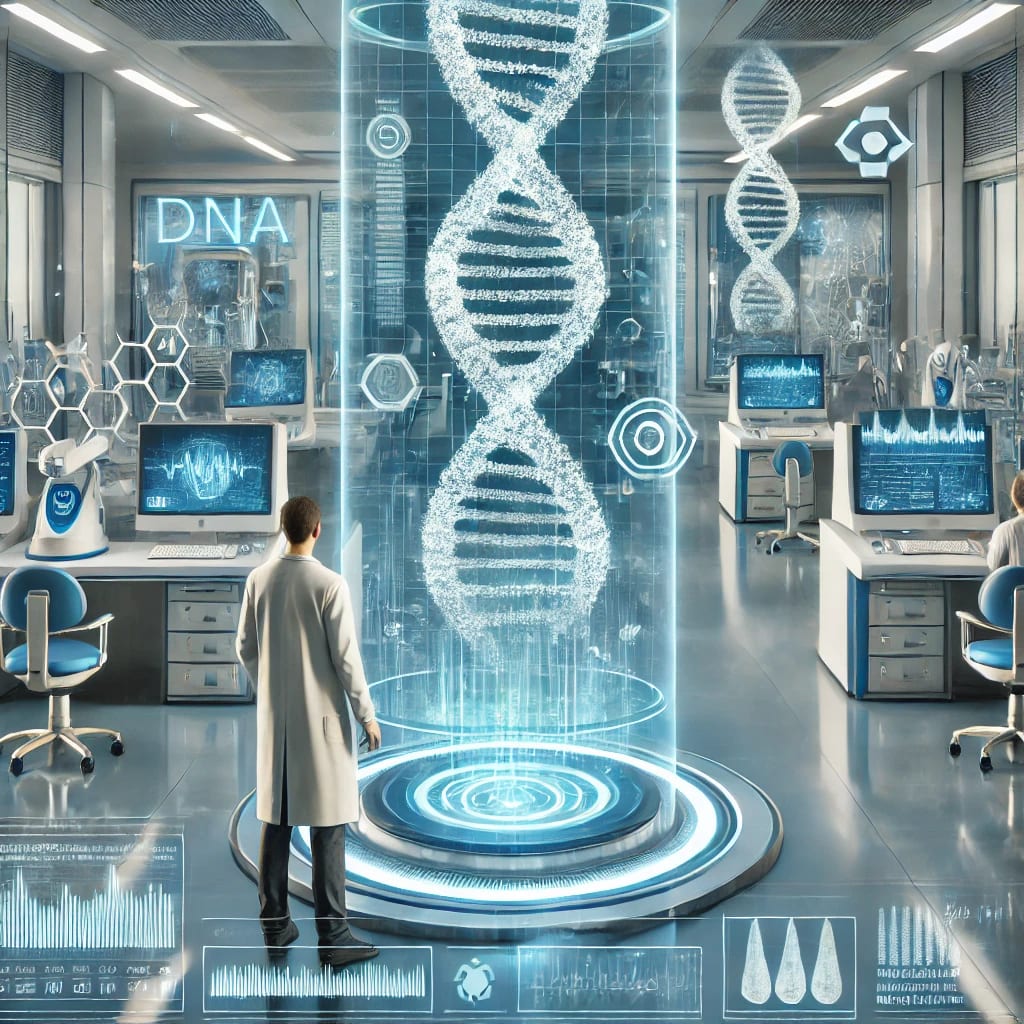
Introduction
Medicine has undergone numerous revolutions over the centuries, from the use of medicinal herbs to the advent of modern surgery, to the discovery of antibiotics and vaccines. Today, we stand on the brink of another revolution: that of personalized medicine, made possible by advances in biotechnology. This innovative approach promises not only to improve the effectiveness of treatments but also to minimize side effects by tailoring therapies to the genetic specifics of each individual. However, this new frontier in medicine not only opens up extraordinary prospects but also poses new challenges related to ethics, accessibility, and data management.
Personalized medicine represents a paradigm shift, where patient care is no longer based on a standardized model but on a highly specific approach that considers individual variability. This shift is leading to a new era in medicine, where understanding the human genome, big data, and artificial intelligence plays a fundamental role in providing more effective and personalized care.
1. Biotechnology: A Bridge to the Medicine of the Future
Biotechnology is at the heart of personalized medicine, offering cutting-edge tools and techniques for analyzing and modifying human genes. Among the most promising technologies is CRISPR-Cas9, a gene-editing technique that allows for “cutting and pasting” DNA sequences with unprecedented precision. This technique has paved the way for countless possibilities, including correcting genetic mutations responsible for hereditary diseases and potentially eliminating genetic diseases at their root.
In addition to CRISPR, other genetic engineering techniques, such as gene therapy, are emerging as crucial tools in the fight against complex and rare diseases. Gene therapy has already shown promising results in treating conditions such as cystic fibrosis and certain forms of muscular dystrophy. These treatments, which aim to replace or repair defective genes, represent a concrete hope for patients suffering from diseases that were until recently considered incurable.
Biotechnology is also transforming the field of diagnostics. Through advanced genetic sequencing techniques, it is now possible to precisely identify the genetic mutations that can predispose a person to certain diseases. This type of early diagnosis can make the difference between timely, effective treatment and a disease that progresses unnoticed until it is too late to intervene successfully. Moreover, molecular diagnostics allow for real-time monitoring of treatment effectiveness, enabling therapies to be adjusted based on the specific responses of each patient.
Additionally, biotechnology is playing a crucial role in the creation of biologic drugs, designed to interact specifically with molecular targets, thereby reducing the risks associated with traditional treatments. These drugs, often developed through the use of monoclonal antibodies, are already demonstrating greater efficacy in complex diseases such as cancer and autoimmune disorders. For example, targeted therapies like immune checkpoint inhibitors have revolutionized the treatment of certain types of cancer, offering new hope to patients who did not respond to conventional treatments.
Another significant aspect of biotechnology is the development of advanced biomaterials that can be used to repair or replace damaged tissues. Biomaterials, which can include everything from biocompatible polymers to 3D-printed biological structures, are opening new possibilities for reconstructive surgery and tissue regeneration. These materials not only improve patients’ quality of life but can also accelerate recovery and reduce post-operative complications.
Finally, biotechnology is paving the way for regenerative medicine, a field that promises to repair or replace damaged tissues and organs through the use of stem cells. This innovation could radically change the approach to treating injuries and degenerative diseases, offering solutions that go beyond merely treating symptoms. The applications of regenerative medicine are broad, ranging from the repair of spinal injuries to the regeneration of heart tissue after a heart attack, and promise to transform medical practice as we know it today.
2. Personalized Medicine: Definition and Applications
Personalized medicine, often referred to as precision medicine, is an approach that takes into account individual differences in genes, environment, and lifestyle. This approach enables the creation of tailored therapeutic plans, increasing the likelihood of treatment success while minimizing side effects. Personalized medicine is based on the idea that every individual is unique, and therefore treatment must be customized to meet the specific needs of the patient.
One of the most well-known examples of personalized medicine is the use of genetic tests to determine which drugs will be most effective for a particular patient. For example, in oncology, genomic tests can identify specific mutations in tumors that can be treated with targeted drugs, thus improving therapy outcomes. Advances in molecular profiling of tumors have allowed for the development of increasingly targeted therapies that only attack cancer cells without harming healthy ones. This approach has revolutionized the treatment of many forms of cancer, turning what were once deadly diseases into manageable chronic conditions.
Beyond oncology, personalized medicine is finding applications in other fields, such as cardiology and neurology. For example, cardiovascular disease prevention can be optimized through the analysis of lipid profiles and other genetic markers, allowing for the identification of at-risk patients and early intervention with targeted treatments. In the field of neurodegenerative diseases, personalized medicine could offer new solutions for conditions such as Alzheimer’s disease, where the early identification of specific biomarkers could lead to more effective therapeutic interventions.
The impact of personalized medicine also extends to pharmacogenomics, a field that studies how individual genetic variants influence drug response. This field is becoming increasingly relevant as physicians can use genetic information to select the most appropriate drugs and dosages for each patient, thereby reducing the risk of adverse reactions and increasing treatment efficacy. For example, patients with genetic variants that affect the metabolism of certain drugs can receive personalized dosages to avoid potentially severe side effects.
Moreover, personalized medicine is beginning to influence how drugs are developed. Pharmaceutical companies are increasingly directing their research toward developing targeted therapies for specific patient subgroups rather than trying to create a “universal” drug. This paradigm shift is leading to a new era in pharmaceutical research, where understanding genetic and molecular variables plays a central role in the development of new therapies. The introduction of biomarker-based therapies, such as tyrosine kinase inhibitors for lung cancer, is just the beginning of what personalized medicine can offer.
Personalized medicine is not limited to disease treatment but is also opening new frontiers in prevention. By identifying genetic predispositions to certain conditions, physicians can advise lifestyle changes or preventive therapies to reduce the risk of developing diseases in the future. This preventive approach has the potential to significantly reduce the incidence of chronic diseases such as diabetes and cardiovascular diseases, improving patients’ quality of life and reducing long-term healthcare costs.
3. The Role of Big Data and Artificial Intelligence in Personalized Medicine
The integration of big data and artificial intelligence (AI) is further transforming personalized medicine, making it possible to analyze enormous amounts of genetic and clinical data in record time. AI can identify hidden patterns in the data that may escape the human eye, allowing for the identification of new associations between genes and diseases or predicting a patient’s response to a particular treatment. This advanced analytical capability is crucial for the progress of personalized medicine, as it enables each patient to be treated as a unique individual, based on specific data rather than statistical averages.
Big data, collected from sources such as electronic health records, wearable devices, and clinical trials, are used to create predictive models that help physicians make more informed and personalized decisions. For example, data analysis from wearable devices can provide real-time information on a patient’s health, allowing for timely intervention in case of anomalies. Additionally, big data can be used to monitor treatment effectiveness over time, providing continuous feedback to physicians and allowing therapies to be adjusted to meet the specific needs of each patient.
Another crucial aspect of using big data in personalized medicine is the ability to improve clinical research. The analysis of large data sets can help identify new biomarkers, better understand the genetic variables that influence drug response, and develop more effective therapies. Moreover, AI can be used to optimize the design of clinical trials, selecting the most suitable patients to participate in specific trials and thus increasing the chances of success.
The role of AI also extends to medical diagnosis, where advanced algorithms can analyze radiological images, test results, and other clinical data to identify diseases at an early stage with an accuracy that rivals that of human specialists. This type of AI-assisted diagnostics is particularly useful in contexts where specialist availability is limited, as it can provide real-time decision support to primary care physicians.
However, the use of big data and AI also raises ethical issues, particularly concerning privacy and data security. It is essential to ensure that patients’ personal information is protected and used ethically, respecting individuals’ wishes and ensuring that the benefits of research are shared equitably. These concerns must be urgently addressed to ensure that advances in personalized medicine do not compromise public trust.
Finally, the combination of big data and AI can also play a crucial role in improving the efficiency of healthcare systems, reducing costs, and improving outcomes for patients. Through predictive analysis, healthcare systems can optimize resource allocation, prevent health crises, and provide more timely and personalized care. This data-driven approach has the potential to radically transform how healthcare is delivered, making it more responsive and tailored to individual needs.
4. Challenges and Ethical Considerations in Personalized Medicine
Despite the numerous advantages, personalized medicine also presents several challenges, particularly on the ethical and regulatory fronts. One of the main issues concerns the privacy of genetic data. The collection and analysis of genetic data require strict security measures to prevent this sensitive information from being misused or falling into the wrong hands. The growing interconnection of health data through digital platforms has made privacy protection an absolute priority, as a security breach could have severe consequences for patients.
Moreover, equitable access to personalized care represents another significant challenge. The high costs associated with genetic tests and targeted therapies may limit access to these innovations, creating disparities among different populations. This raises important questions of social justice: how can we ensure that all patients, regardless of their socioeconomic background, have access to personalized treatments? The answer to this question will require innovative public policies and a global commitment to equity in healthcare access.
There is also the issue of responsibility: if a personalized treatment does not work as expected, who is responsible? The doctor, the laboratory that performed the genetic test, or the drug manufacturer? This dilemma is particularly relevant in the context of gene therapies and genetic editing technologies, where the consequencesof an error can be irreversible. Current regulations may not be sufficient to address the new realities of personalized medicine, and an update of laws and guidelines will be necessary to ensure adequate patient protection.
Another ethical challenge concerns potential genetic discrimination. The ability to identify genetic predispositions to certain diseases could lead to situations where individuals are discriminated against based on their genetic characteristics, for example, in access to health insurance or employment. It is essential for society to establish clear rules to prevent such abuses and ensure that advances in genetics are used for the benefit of all.
Finally, personalized medicine also raises issues regarding patient autonomy. In a context where medical decisions are increasingly based on genetic data and advanced algorithms, it is important to ensure that patients are fully informed and involved in the decision-making process regarding their care. This requires a commitment to transparency and education so that patients can understand the implications of their choices and make informed decisions.
5. The Future of Personalized Medicine: Trends and Prospects
Looking ahead, personalized medicine will continue to evolve, driven by advances in biotechnology and artificial intelligence. One of the most promising areas is the development of gene therapies that not only treat the symptoms of diseases but address the root cause. Next-generation gene therapies are emerging as one of the most promising solutions for genetic diseases and rare conditions, with clinical trials showing positive results in areas such as ophthalmology, neurology, and oncology.
Moreover, genetic testing is expected to become increasingly accessible and an integral part of routine medical practice. With the reduction in costs and increased accuracy, these tests are likely to become a standard tool for early diagnosis and disease prevention. This could lead to a radical change in how preventive medicine is practiced, with a greater emphasis on personalized health management.
Another emerging trend is the use of personalized medicine in prevention. By identifying genetic risks, it will be possible to intervene before symptoms appear, thus improving the quality of life and reducing long-term healthcare costs. This proactive approach could transform medicine from a discipline focused on curing diseases to a science oriented toward prevention and wellness, reducing the burden of chronic diseases on society.
Personalized medicine could also lead to greater collaboration between different sectors of biology and medicine. Interaction between geneticists, bioinformaticians, clinicians, and biomedical engineers will be essential to address the technical and ethical challenges that emerge as this discipline advances. In this context, the training of new professionals with interdisciplinary skills will be crucial to ensuring that technological advances are translated into effective clinical applications.
Finally, international collaboration will be crucial to the success of personalized medicine. Sharing data, resources, and knowledge among countries and institutions will be essential to address global health challenges and ensure that the benefits of personalized medicine are accessible to all, regardless of geographical location or economic status. The establishment of global networks for research and development in this field could significantly accelerate progress and lead to new discoveries that benefit all of humanity.
Furthermore, personalized medicine could become a pillar of public health, with prevention and treatment strategies based on genetic and molecular data to address diseases at the population level. This approach could be particularly useful in managing infectious diseases, where understanding the genetic variants of the pathogen and the host’s immune response could lead to more effective and timely interventions.
Conclusion
Personalized medicine and biotechnology are redefining the healthcare landscape, offering more effective and tailored solutions for patients. However, to fully realize the potential of these innovations, it will be necessary to address the ethical and regulatory challenges while ensuring equitable access to care. The future of medicine is promising, and the combination of biotechnology, big data, and artificial intelligence promises to radically transform how we understand and treat diseases, paving the way for an era of truly personalized care. The key to success will be balancing innovation, ethics, and accessibility so that everyone can benefit from the incredible opportunities offered by the medicine of the future.
About the Creator
Fabio Smiraglia
I am a passionate content writer with extensive experience in crafting engaging texts for blogs, websites, and social media. I love telling stories, informing, and connecting with audiences, always with creativity and precision.
Reader insights
Nice work
Very well written. Keep up the good work!
Top insights
Easy to read and follow
Well-structured & engaging content
Excellent storytelling
Original narrative & well developed characters
On-point and relevant
Writing reflected the title & theme
Keep reading
More stories from Fabio Smiraglia and writers in Futurism and other communities.
Robotics in Everyday Life: Opportunities and Challenges
Introduction Robotics has seen exponential growth over the last decade, becoming an essential component of our daily lives. From simple household appliances to complex surgical machines, robots are transforming how we live and work. This article explores the numerous opportunities robotics offers, as well as the challenges it presents. The goal is to provide an in-depth overview of how robotics is changing various aspects of our society, from domestic to healthcare, education, industry, and beyond. Through a critical analysis of emerging trends and ethical, legal, and social implications, we aim to understand how to navigate the technological future in a balanced and responsible manner.
By Fabio Smiragliaabout a year ago in Futurism
About Binding Prometheus
I want to start actively advocating on behalf of my own work, and the most valuable part of my canon is, without a doubt, Binding Prometheus, the play I have been working on since 2019 and only finished in 2023 as part of my MA. The play itself is an amalgamation of a million different inspirations. On one end, it evokes the Ancient Greek myth-play, deriving its own title from the earliest extant work of Western drama we have, Aeschylus’s Prometheus Bound. On the other end, it borrows significantly from the sci-fi bulwarks from over the years, namely Mary Shelley’s Frankenstein and Karel Capek’s Rossum’s Universal Robots. The play could be an episode of Black Mirror, I fear. I don’t know. I’ve only ever seen one episode of Black Mirror.
By Steven Christopher McKnight19 days ago in Futurism




Comments (2)
So interesting
Thanks for the great work.