
Asia Pacific Logistics Market Accelerates on Automotive Growth and Tech Collaboration
Asia-Pacific logistics is booming, growing from $2.22T in 2024 to $3.62T by 2033. E-commerce giants like Alibaba use AI and IoT to automate warehouses, cut delivery times, and scale trade.

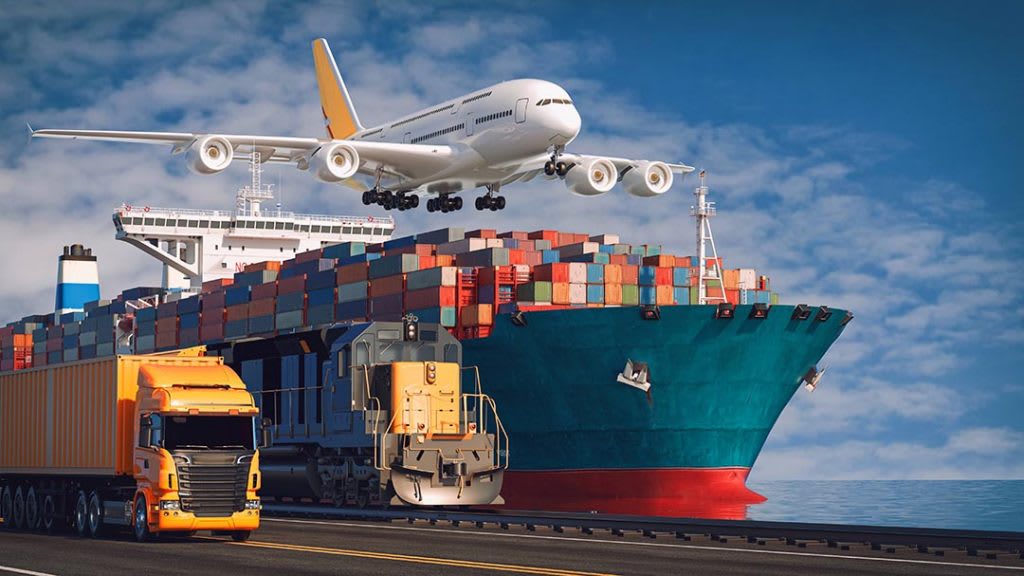
The Asia Pacific Logistics Market reached a size of USD 2.22 Trillion in 2024 and is forecast to grow to USD 3.62 Trillion by 2033. The market is expected to expand at a CAGR of 5.32% during the forecast period 2025-2033. Growth is driven by the rapid expansion of e-commerce, growing urbanization, enhanced infrastructure development, and heightened cross-border trade activities. Technological advances including automation, artificial intelligence, and the Internet of Things (IoT) are making operations highly efficient and improving delivery speeds across the region.
Study Assumption Years
- Base Year: 2024
- Historical Year/Period: 2019-2024
- Forecast Year/Period: 2025-2033
Asia Pacific Logistics Market Key Takeaways
- Current Market Size (2024): USD 2.22 Trillion
- CAGR (2025-2033): 5.32%
- Forecast Period: 2025-2033
- Third-party logistics (3 PL) leads the market by model type, offering scalable and flexible end-to-end services including freight forwarding, warehousing, and inventory control.
- Seaways represent the largest transportation mode, handling bulk and container shipping on major regional trade lanes through strategic ports in China, Japan, Singapore, and India.
- Manufacturing accounts for the majority market share in terms of end use, serving as the primary growth driver with the region hosting some of the world's largest industrial hubs.
- China holds the largest regional market share in Asia Pacific, driven by its export and manufacturing leadership, solid infrastructure, and well-developed transport networks.
- The market growth is fostered by evolving consumer behavior towards e-commerce adoption and the rise of integrated, technology-driven supply chain solutions.
Market Trends
The Asia Pacific logistics market is experiencing unprecedented transformation as e-commerce continues its explosive growth trajectory. With increased internet penetration and widespread smartphone adoption, consumers from both urban centers and remote rural areas now access online retail platforms with ease. This digital expansion has created a surge in parcel volumes and delivery frequency that's reshaping the entire logistics landscape. Companies are responding by implementing real-time tracking systems, optimizing delivery routes through advanced algorithms, and leveraging data analytics to boost operational efficiency and customer satisfaction.
Take Meesho as a concrete example—their in-house logistics division Valmo handled 50% of total orders in December 2024, a dramatic jump from just 22% in 2023. This growth happened across 15,000 pin codes through partnerships with 6,000 service providers, demonstrating how integrated logistics networks are becoming essential for e-commerce success. Similarly, warehousing strategies are shifting toward decentralized models, with micro-fulfillment centers popping up in strategic locations to enable same-day and next-day delivery options.
Infrastructure investment and regional economic integration policies are transforming how goods move across the Asia Pacific. Governments throughout the region are prioritizing the construction of transport corridors, intermodal facilities, and trade hubs designed to cut delivery times and reduce costs. Upgrades to ports, rail networks, highways, and air cargo terminals are strengthening connections between manufacturing centers and consumer markets in ways that weren't possible before.
Free trade agreements are playing an equally important role by streamlining customs procedures and encouraging harmonization of logistics standards across borders. These regulatory improvements make cross-border goods movement smoother, particularly benefiting small and medium-sized businesses that previously struggled with international trade complexities. The result is a more integrated, efficient supply chain environment capable of handling higher volumes and greater diversity of goods movement across the region.
Market Growth Factors
The expanding middle class across Asia Pacific countries represents a fundamental growth engine for the logistics sector. As household incomes rise, so does consumer demand for both domestic and imported goods. This economic expansion—which the International Monetary Fund reports contributed nearly 60% of global growth in 2024—is directly fueling increased production, consumption, and movement of goods throughout the region. Industrial output continues to climb alongside urbanization, creating a virtuous cycle where more people with more purchasing power need more logistics services.
China's Belt and Road Initiative exemplifies this trend, catalyzing infrastructure development that supports logistics operations across multiple countries. India's economic reforms and business-friendly policies are similarly enhancing logistics efficiency through improved infrastructure and streamlined regulations. These structural improvements make it easier and more cost-effective for goods to move from manufacturers to consumers, whether domestically or internationally.
Technology adoption is revolutionizing logistics operations in measurably significant ways. Consider China's National Blockchain Roadmap launched in January 2025, which commits USD 54.5 Billion annually for five years to digital innovation initiatives that include logistics applications. Automation in warehousing and distribution centers is reducing operational costs while boosting efficiency. Artificial intelligence and machine learning are enabling better route planning and predictive maintenance, which translates to higher service levels and less downtime.
The Internet of Things provides real-time tracking and visibility throughout the supply chain, while blockchain technology creates secure, transparent transaction records that build trust between parties. These technologies work together to streamline supply chains, minimize errors, and improve overall operational performance. For example, Log9 Materials partnered with Quantum Energy in May 2023 to introduce rapid-charging electric two-wheelers for logistics, starting with 200 units deployed through Whizzy Logistics in Hyderabad—a practical demonstration of how technology integration is making last-mile delivery faster and more sustainable.
The e-commerce boom continues accelerating at remarkable rates. According to the India Brand Equity Foundation, the Indian e-commerce industry alone is projected to grow at 27% annually to reach USD 163 Billion by 2026. This explosive growth creates enormous demand for sophisticated logistics solutions that can handle everything from order fulfillment to inventory management to last-mile delivery. Large e-commerce platforms are establishing extensive operations across the region, each requiring advanced logistics capabilities to meet customer expectations.
The emergence of omnichannel retailing adds another layer of complexity and opportunity. Retailers now need integrated logistics solutions that provide seamless customer experiences whether purchases happen online, in-store, or through mobile apps. This demand for fast, efficient, and reliable delivery across multiple channels is pushing logistics providers to innovate continuously, invest in technology, and expand their service offerings to stay competitive in a rapidly evolving market.
Market Segmentation
Breakup by Model Type:
- 2 PL
- 3 PL
- 4 PL
Breakup by Transportation Mode:
- Roadways
- Seaways
- Railways
- Airways
Breakup by End Use:
- Manufacturing
- Consumer Goods
- Retail
- Food and Beverages
- IT Hardware
- Healthcare
- Chemicals
- Construction
- Automotive
- Telecom
- Oil and Gas
- Others
Breakup by Country:
- China
- Japan
- India
- South Korea
- Australia
- Indonesia
- Others
Regional Insights
China stands as the undisputed leader in the Asia Pacific logistics market, commanding the largest share through its export and manufacturing dominance. The country's robust infrastructure and highly developed transport networks enable rapid movement of goods both domestically and internationally. Chinese logistics services support an incredibly diverse range of industries—from electronics and automotive to consumer goods—cementing the nation's position as the world's manufacturing powerhouse. The logistics ecosystem there has evolved to handle massive volumes with impressive efficiency, setting benchmarks that other countries in the region aspire to match.
Japan brings a different strength to the regional logistics landscape through its emphasis on technological integration and operational precision. The Japanese logistics industry is characterized by highly efficient supply chains that serve everything from electronics and automobiles to consumer products. Japanese companies prioritize timeliness, employ advanced tracking systems, and maintain sophisticated warehousing management that makes the country an essential logistics hub despite its smaller geographic size compared to neighbors like China and India.
India's logistics market is expanding rapidly, powered by the enormous demand from its huge population and burgeoning middle class. The country's logistics infrastructure is constantly evolving, with ongoing improvements to roads, railways, and ports designed to meet growing needs across manufacturing, e-commerce, and agriculture. The scale of opportunity in India is staggering—serving over a billion consumers across vastly different geographic and economic conditions requires logistics solutions that can adapt to diverse challenges while maintaining reliability and cost-effectiveness.
Note: If you require any specific information that is not covered currently within the scope of this report, we will provide the same as a part of the customization.
About the Creator
Abhishek Dixit
I am content writer and blogger by profession
Keep reading
More stories from Abhishek Dixit and writers in Futurism and other communities.
Asia Pacific Secondhand Luxury Goods Market Growth from Sustainability
The Asia Pacific Secondhand Luxury Goods Market reached a size of USD 8.6 Billion in 2024 and is forecast to grow to USD 17.9 Billion by 2033. The market is expected to expand at a CAGR of 8.09% during the forecast period 2025–2033. Growth is driven by rising middle-class demand, digital platform adoption, sustainability awareness, and the appeal of rarity and exclusivity that pre-owned luxury goods offer.
By Abhishek Dixit5 days ago in Futurism
About Binding Prometheus
I want to start actively advocating on behalf of my own work, and the most valuable part of my canon is, without a doubt, Binding Prometheus, the play I have been working on since 2019 and only finished in 2023 as part of my MA. The play itself is an amalgamation of a million different inspirations. On one end, it evokes the Ancient Greek myth-play, deriving its own title from the earliest extant work of Western drama we have, Aeschylus’s Prometheus Bound. On the other end, it borrows significantly from the sci-fi bulwarks from over the years, namely Mary Shelley’s Frankenstein and Karel Capek’s Rossum’s Universal Robots. The play could be an episode of Black Mirror, I fear. I don’t know. I’ve only ever seen one episode of Black Mirror.
By Steven Christopher McKnight17 days ago in Futurism
United States Kitchen Appliance Market Size and Forecast 2025–2033
The United States kitchen appliance market is entering a defining decade shaped by innovation, sustainability, and evolving consumer lifestyles. According to Renub Research, the market is projected to reach US$ 115.15 billion by 2033, rising from US$ 74.35 billion in 2024, at a compound annual growth rate (CAGR) of 4.98% during 2025–2033.
By Marthan Sir2 days ago in Futurism



Comments
There are no comments for this story
Be the first to respond and start the conversation.