
Artificial intelligence and machine learning
Using AI and machine learning to analyze data and optimize marketing campaigns in real-time
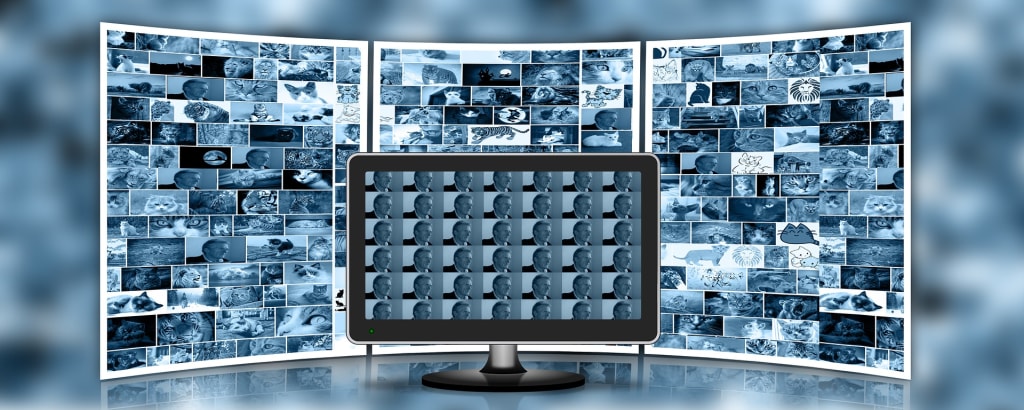
1.Introduction to AI and ML and their potential to revolutionize marketing:
Artificial intelligence (AI) and machine learning (ML) are technologies that allow computers to learn and make decisions on their own, without explicit programming. In the field of marketing, these technologies have the potential to revolutionize the way brands communicate with and engage customers.
By using AI and ML to analyze data, marketers can gain valuable insights into customer behavior, preferences, and needs. This can help them to personalize marketing messages and target them more effectively, improving the customer experience and increasing the chances of conversion.
AI and ML can also be used to optimize the timing and targeting of marketing campaigns, by predicting which customers are most likely to respond to a particular message or offer. This allows marketers to deliver the right message to the right customer at the right time, improving the effectiveness of their campaigns.
Overall, the use of AI and ML in marketing has the potential to improve the customer experience, increase campaign effectiveness, and drive business growth.
2.Example of how AI and ML can be used to personalize marketing messages and target them more effectively :
Personalized email marketing:
AI and ML can be used to analyze customer data, such as their purchase history, interests, and engagement with previous emails, to send targeted and personalized email campaigns.
Targeted advertising:
AI and ML can be used to analyze customer data, such as their demographics, interests, and online behavior, to deliver targeted ads on platforms such as Google and Facebook.
Personalized recommendations:
AI and ML can be used to analyze customer data, such as their purchase history and browsing behavior, to make personalized product recommendations on e-commerce websites and in online stores.
Chatbots:
AI-powered chatbots can be used to provide personalized customer service and support, by using natural language processing (NLP) to understand and respond to customer inquiries in real-time.
Personalized content:
AI and ML can be used to analyze customer data, such as their interests and engagement with previous content, to deliver personalized content recommendations on websites and social media.
Overall, the use of AI and ML in marketing allows brands to deliver more personalized and relevant messages to customers, improving the customer experience and increasing the chances of conversion.
3 Use of AI and ML to optimize the timing and targeting of marketing campaigns :
Artificial intelligence (AI) and machine learning (ML) can be used to optimize the timing and targeting of marketing campaigns by analyzing data on customer engagement and conversion rates. This allows marketers to predict which customers are most likely to respond to a particular message or offer, and deliver those messages at the right time.
For example, a retailer could use AI and ML to analyze customer data, such as their purchase history and browsing behavior, to predict which products a particular customer is most likely to be interested in. The retailer could then send targeted emails or ads to that customer, showcasing those specific products, at a time when the customer is most likely to be receptive to the message.
AI and ML can also be used to optimize the timing of marketing campaigns by analyzing data on customer engagement and conversion rates, and delivering messages when they are most likely to be effective. For example, a travel company could use AI and ML to predict when a customer is most likely to be planning a vacation, and send targeted emails or ads at that time.
Overall, the use of AI and ML to optimize the timing and targeting of marketing campaigns can improve the effectiveness of those campaigns, and drive better results for the business.
4 Challenges and considerations for marketers looking to implement AI and ML in their campaigns:
There are a few challenges and considerations that marketers should keep in mind when looking to implement artificial intelligence (AI) and machine learning (ML) in their campaigns:
Cost and resources: Implementing AI and ML in marketing campaigns can be expensive and resource-intensive, as it requires specialized skills and technology. This can be a barrier for some businesses, especially smaller ones.
Data quality and privacy: AI and ML require large amounts of data to function effectively. Ensuring that this data is accurate and up-to-date, and that it is collected and used in a way that is compliant with privacy regulations, can be a challenge.
Ethical considerations: As AI and ML become more prevalent in marketing, there are ethical considerations to keep in mind, such as the potential for biased algorithms or the misuse of customer data.
Change management: Implementing AI and ML in marketing campaigns can require significant changes to processes and systems, and can be disruptive for teams. It is important for businesses to carefully plan and manage these changes to ensure a smooth transition.
Integration with other systems: AI and ML systems often need to be integrated with other systems and technologies, such as customer relationship management (CRM) systems and marketing automation platforms. Ensuring a smooth integration can be a challenge.
Overall, while the use of AI and ML in marketing can bring many benefits, it is important for businesses to carefully consider the challenges and considerations, and to plan and execute their implementation carefully.
5. The benefits of using AI and ML in marketing, such as personalized and targeted campaigns, improved customer experience, and increased campaign effectiveness.
There are many benefits of using artificial intelligence (AI) and machine learning (ML) in marketing, including:
1. Personalized and targeted campaigns:
AI and ML can be used to analyze customer data, such as their demographics, interests, and behaviors, to deliver personalized and targeted marketing messages. This can improve the customer experience and increase the chances of conversion.
2. Improved customer experience:
By delivering more personalized and relevant marketing messages, AI and ML can improve the customer experience and build customer loyalty.
3. Increased campaign effectiveness:
AI and ML can be used to optimize the timing and targeting of marketing campaigns, by predicting which customers are most likely to respond to a particular message or offer. This can improve the effectiveness of those campaigns and drive better results for the business.
4. Improved decision-making:
By analyzing data and providing insights, AI and ML can help marketers make more informed decisions about their campaigns and strategies.
5. Increased efficiency:
AI and ML can automate and streamline marketing tasks, such as data analysis and campaign optimization, freeing up time for marketers to focus on other tasks.
Overall, the use of AI and ML in marketing can bring many benefits, including personalized and targeted campaigns, improved customer experience, increased campaign effectiveness, improved decision-making, and increased efficiency.
About the Creator
Keep reading
More stories from Bala Subramanian and writers in Futurism and other communities.
Rohit Sharma
Rohit Sharma is a professional cricketer from India who is known for his skills as a batsman. He is the current vice-captain of the Indian national team in limited-overs formats and has represented India in numerous international tournaments including the World Cup, the Indian Premier League, and the Champions Trophy. Sharma is known for his aggressive style of play and has scored several centuries (100 or more runs in a single innings) in international cricket. He is considered one of the best batsmen in the world and has received several awards and accoladees for his performances on the cricket field.
By Bala Subramanian3 years ago in Motivation
About Binding Prometheus
I want to start actively advocating on behalf of my own work, and the most valuable part of my canon is, without a doubt, Binding Prometheus, the play I have been working on since 2019 and only finished in 2023 as part of my MA. The play itself is an amalgamation of a million different inspirations. On one end, it evokes the Ancient Greek myth-play, deriving its own title from the earliest extant work of Western drama we have, Aeschylus’s Prometheus Bound. On the other end, it borrows significantly from the sci-fi bulwarks from over the years, namely Mary Shelley’s Frankenstein and Karel Capek’s Rossum’s Universal Robots. The play could be an episode of Black Mirror, I fear. I don’t know. I’ve only ever seen one episode of Black Mirror.
By Steven Christopher McKnight19 days ago in Futurism
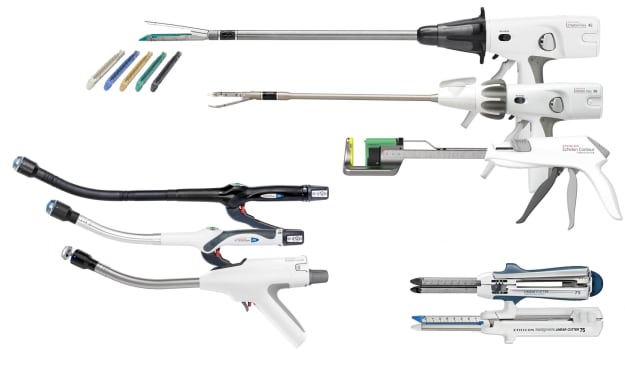
Surgical Stapler Market: Procedure Efficiency & Growth Outlook
According to IMARC Group's latest research publication, The global surgical stapler market size reached USD 4.8 Billion in 2024. Looking forward, IMARC Group expects the market to reach USD 8.5 Billion by 2033, exhibiting a growth rate (CAGR) of 6.27% during 2025-2033.
By James Whitmana day ago in Futurism



Comments
There are no comments for this story
Be the first to respond and start the conversation.