
Apple’s $500 Billion U.S. Investment: A Game-Changer for Jobs and Innovation
"Apple’s Half-Trillion Dollar Bet: Jobs, Tech, and a Tariff Dodge"
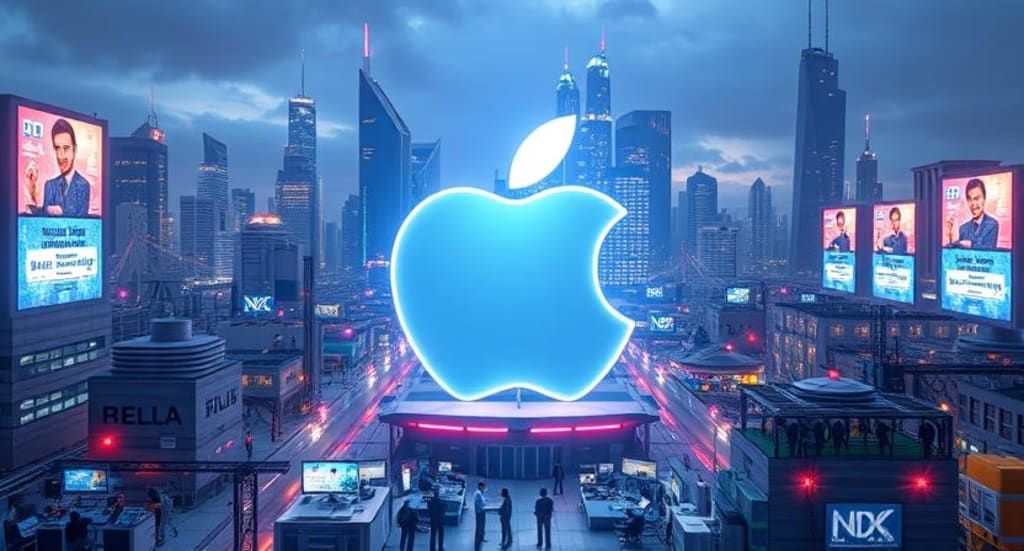
On February 24, 2025, Apple dropped a bombshell that’s got everyone talking: the tech giant is pumping more than $500 billion into the U.S. over the next four years. Yep, you read that right—half a trillion dollars! This isn’t just pocket change; it’s Apple’s biggest-ever commitment to American soil, and it’s set to shake things up with new jobs, cutting-edge tech, and a hefty dose of economic muscle. Let’s break it down and see why this move could outshine their own announcement.
First off, what’s Apple doing with all that cash? They’re not just sitting on it—they’re building stuff. A shiny new factory in Houston, Texas, is the crown jewel, slated to open in 2026. This 250,000-square-foot beast will crank out servers for Apple Intelligence, their fancy AI system that’s making waves in everything from iPhones to Macs. Thousands of jobs are coming with it, and that’s just the start. They’re also doubling their U.S. Advanced Manufacturing Fund from $5 billion to $10 billion, pouring money into places like TSMC’s chip factory in Arizona, where production kicked off last month. Add in a new training academy in Michigan to groom the next generation of manufacturers, and you’ve got a recipe for serious growth.
Jobs? Oh, they’re bringing plenty—20,000 new hires, to be exact. Most of these gigs will focus on research, silicon engineering, software development, and AI. That’s not counting the ripple effect—Apple says they already support 2.9 million jobs nationwide through suppliers, developers, and their own crew. With teams expanding in states like California, Arizona, Nevada, Iowa, Oregon, North Carolina, and Washington, this isn’t just a Silicon Valley story; it’s an all-American one. And here’s a fun fact: Apple’s one of the country’s biggest taxpayers, shelling out $75 billion over the past five years, including $19 billion in 2024 alone. Talk about putting your money where your mouth is!
So, why now? Apple’s CEO, Tim Cook, says they’re “bullish on the future of American innovation.” But let’s not kid ourselves—this comes hot on the heels of President Trump’s tariff threats. With 70% of iPhones still made in China, a 25% tariff could sting. Shifting some production stateside, like those AI servers in Houston, looks like a savvy dodge. Trump’s already taking credit, claiming Cook promised him this move after a White House chat last week. Whether it’s tariffs or just good timing, Apple’s playing it smart, building on past promises—like their $350 billion pledge in 2018 and $430 billion in 2021—while upping the ante.
What’s the big deal? Beyond the dollars, it’s about tech leadership. Those Houston servers aren’t just boxes—they’re the backbone of Apple Intelligence, blending top-notch security with AI power. The Arizona chips? They’re fueling your next iPhone’s speed and battery life. Plus, Apple’s betting big on education, expanding programs like the New Silicon Initiative with schools like UCLA and Georgia Tech to train future engineers. This isn’t just about today; it’s about owning tomorrow.
Compared to Apple’s own newsroom post, this isn’t just a press release—it’s the story behind the headlines. While they tout the numbers (and they’re impressive), we’re digging into the why and how. Will this really shield them from tariffs? Can they pull off $500 billion in four years when skeptics like UBS say their supply chain’s too global to pivot that fast? And what about the 20,000 jobs—new blood or just rehashing old plans? We’re asking the questions they didn’t, giving you the full picture.
In short, Apple’s $500 billion bet is more than a flex—it’s a power move. Jobs, tech, and a sidestep around trade drama, all wrapped in a red, white, and blue bow. Whether it’s enough to keep Trump’s tariffs at bay or just a head start on the future, one thing’s clear: Apple’s not messing around. Watch this space—America’s tech landscape just got a whole lot more interesting.
About the Creator
About Binding Prometheus
I want to start actively advocating on behalf of my own work, and the most valuable part of my canon is, without a doubt, Binding Prometheus, the play I have been working on since 2019 and only finished in 2023 as part of my MA. The play itself is an amalgamation of a million different inspirations. On one end, it evokes the Ancient Greek myth-play, deriving its own title from the earliest extant work of Western drama we have, Aeschylus’s Prometheus Bound. On the other end, it borrows significantly from the sci-fi bulwarks from over the years, namely Mary Shelley’s Frankenstein and Karel Capek’s Rossum’s Universal Robots. The play could be an episode of Black Mirror, I fear. I don’t know. I’ve only ever seen one episode of Black Mirror.
By Steven Christopher McKnight18 days ago in Futurism
Japan Smart Doorbell Market Size and Forecast 2025–2033
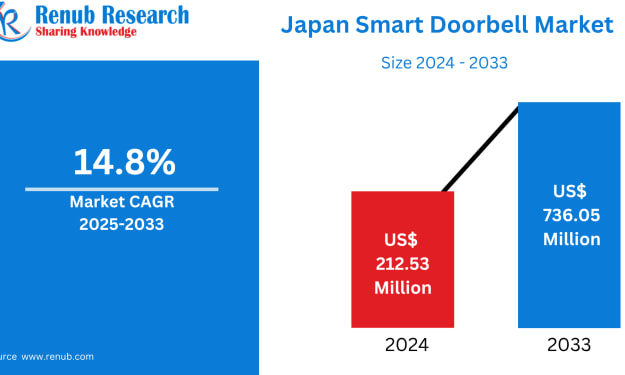
Market Snapshot The Japan Smart Doorbell Market is expected to reach US$ 736.05 million by 2033, up from US$ 212.53 million in 2024, expanding at a robust CAGR of 14.8% from 2025 to 2033. Rapid urbanization, increasing adoption of smart home technologies, and rising demand for home security systems are driving market growth. Advancements in AI, video analytics, and wireless connectivity are further strengthening consumer demand for smart doorbell systems.
By Marthan Sir3 days ago in Futurism
How to Succeed at the Benson Directory®
Congratulations and welcome to the Benson Directory® employee #22391! As our newest call handler, you will have the privilege of speaking with dozens of unique and interesting people on a daily basis as well as the opportunity to earn bonuses for high performance. Contained within this handbook you will find a set of ease to follow instructions designed to help you settle in to your new role and begin paving the way to success.
By S. A. Crawford2 days ago in Fiction


Comments
There are no comments for this story
Be the first to respond and start the conversation.