
AI-Powered Wearables:
The Future of Smart Technology is on Your Face

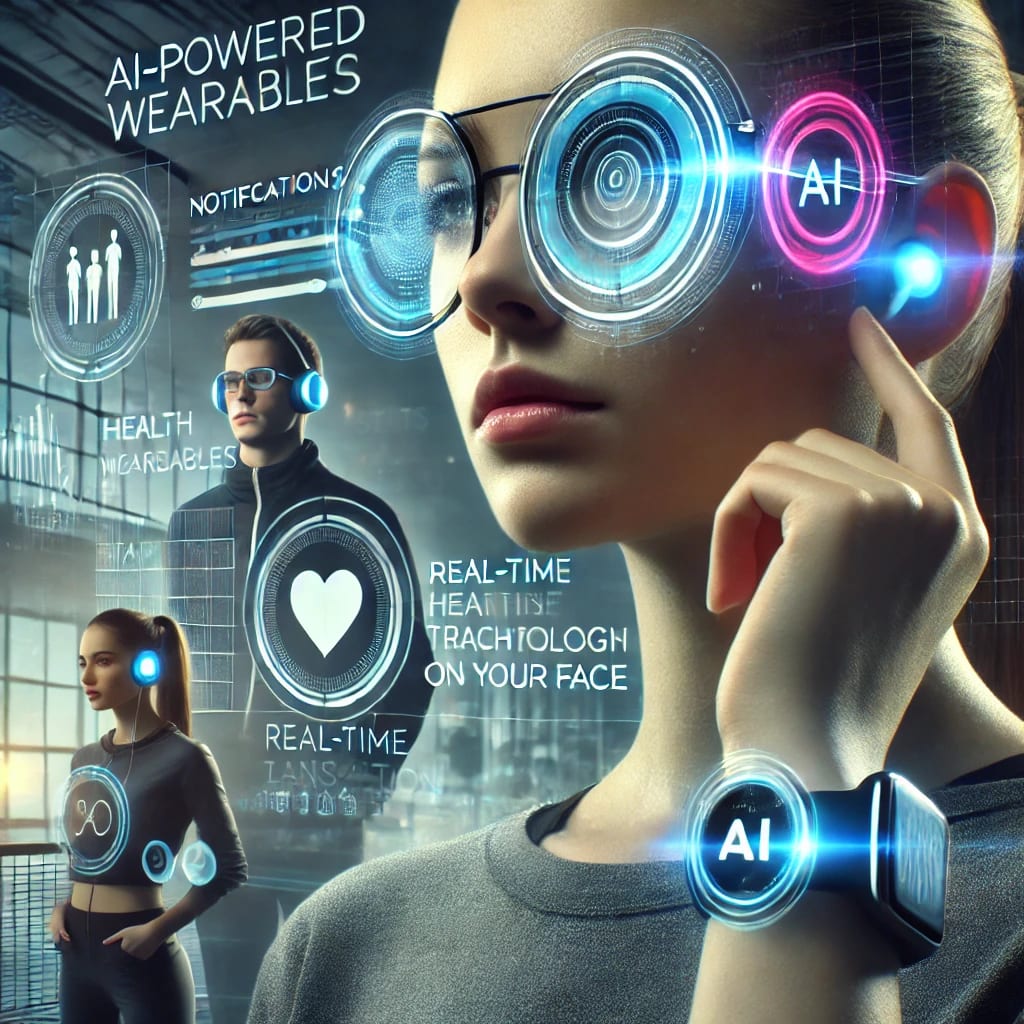
AI-Powered Wearables: The Future of Smart Technology is on Your Face
Remember when the coolest thing your watch could do was glow in the dark? Fast forward a few decades, and now we have AI-powered glasses that can livestream your life, smartwatches that monitor your heart rate better than your doctor, and earbuds that translate languages in real time. Welcome to the future of wearable technology, where AI isn't just in your phone—it's on your body.
Big tech companies are racing to make wearables smarter, more useful, and, let’s be honest, way cooler. Meta’s new Ray-Ban smart glasses are leading the charge, allowing users to capture and share moments straight to their Instagram Stories. No need to fumble with your phone—just look, tap, and boom, you’re an instant content creator. Meanwhile, Apple’s AI-driven features in the Apple Watch are helping people track everything from their workouts to their stress levels. Even fitness brands are jumping in, using AI to personalize workout recommendations based on how much effort you actually put into that “quick jog” (yes, AI knows when you’re just walking fast).
But this isn’t just about looking futuristic. AI in wearables is changing the way we interact with technology. Imagine glasses that recognize people’s faces and whisper their names in your ear—great for networking, awkward for remembering your ex’s new partner. Or smart rings that let you pay for coffee with a flick of your finger, making wallets feel as outdated as cassette tapes. AI is making our devices more intuitive, more responsive, and sometimes, a little too good at predicting our needs.
And it’s not just personal gadgets. AI-powered wearables are transforming entire industries. In healthcare, AI-driven devices like Fitbit and Oura Rings are not only tracking sleep and exercise but also predicting potential health risks before they happen. Some smart watches can now detect irregular heart rhythms and alert users to possible heart conditions. Imagine a world where a wearable device can spot early signs of a heart attack before you even feel symptoms—life-saving technology at your fingertips (literally).
Businesses are also using AI wearables to boost productivity. Companies are testing AI-powered headsets that analyze brain activity to determine focus levels, helping employees manage their workload more effectively. Factory workers are using smart gloves with built-in AI to improve efficiency and reduce errors in complex tasks. Even athletes are using AI-powered wearables to optimize training, prevent injuries, and analyze performance down to the smallest detail.
Of course, with great innovation comes great paranoia. Privacy concerns are growing as these devices collect more personal data than ever. Who’s storing it? Who’s using it? And should we be worried that our smart glasses are secretly judging our fashion choices? These are the big questions that tech companies need to answer before AI wearables become as common as smartphones.
The future of AI-powered wearables is both exciting and slightly unsettling. As technology advances, we might see even more mind-blowing innovations—smart clothing that adjusts temperature based on your body’s needs, AI-powered contact lenses that provide real-time information overlays, or even brain-computer interfaces that let you control devices with your thoughts. (Great news for anyone who’s ever wished they could pause Netflix without searching for the remote.)
One thing is clear: AI isn’t just changing how we use technology—it’s changing how technology uses us. Whether that’s a good or bad thing depends on how much you trust a pair of glasses to keep your secrets.
So, what do you think? Are AI-powered wearables the future, or are we heading toward a world where even our sunglasses are spying on us? Drop a comment—I promise I won’t be wearing smart glasses while I read them.
About the Creator
Pure Crown
I am a storyteller blending creativity with analytical thinking to craft compelling narratives. I write about personal development, motivation, science, and technology to inspire, educate, and entertain.
Keep reading
More stories from Pure Crown and writers in Futurism and other communities.
How AI is Changing the Future of Business:
How AI is Changing the Future of Business: Innovate or Get Left Behind If you still think AI is just a fancy gimmick for tech nerds, I have some bad news for you: AI is coming for your business, and it doesn’t take lunch breaks.
By Pure Crown11 months ago in Futurism
Australia Identity Verification Market: Digital Adoption, Fraud Prevention & Regulatory Compliance
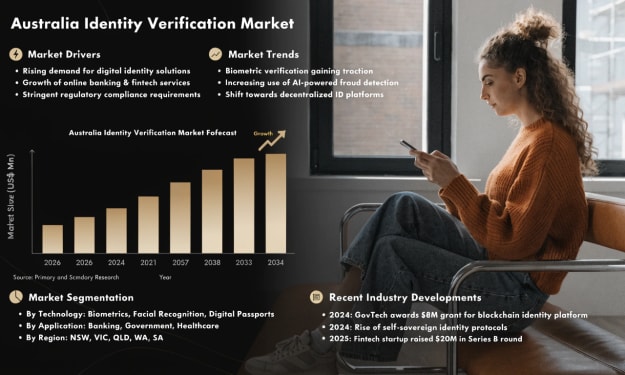
According to IMARC Group, the Australia identity verification market reached USD 315.9 Million in 2025 and is projected to grow to USD 1,005.3 Million by 2034, exhibiting a compound annual growth rate (CAGR) of 13.32% during 2026–2034. The rapid digitization of financial services, e-commerce platforms, and public sector portals across Australia is creating an urgent need for secure, scalable, and compliant identity authentication systems. Increasing concerns regarding cybercrime, identity theft, and data breaches are accelerating investments in biometric technologies, AI-driven verification tools, and automated compliance platforms. As digital transformation deepens across industries, identity verification is becoming a foundational pillar of secure digital infrastructure.
By Kevin Cooper3 days ago in Futurism
Levulinic Acid Market Analysis: Specialty Chemicals, Pharma Applications & Industry Outlook to 2033
The increasing shift toward renewable chemicals, the surge in sustainable agricultural practices, and the growing application of bio-based solvents are fueling the demand for levulinic acid. Supported by green chemistry initiatives, rising investments in carbon-neutral manufacturing, and the expansion of the personal care and pharmaceutical sectors, the market is witnessing significant transformation. According to IMARC Group’s latest data, the global levulinic acid market size was valued at USD 29.7 Billion in 2024. Looking forward, IMARC Group estimates the market to reach USD 42.6 Billion by 2033, exhibiting a CAGR of 3.9% during 2025-2033.
By Andrew Sullivan6 days ago in Futurism



Comments
There are no comments for this story
Be the first to respond and start the conversation.