
AI Code Assistants Is Changing The Game
Here`s What You Should Know

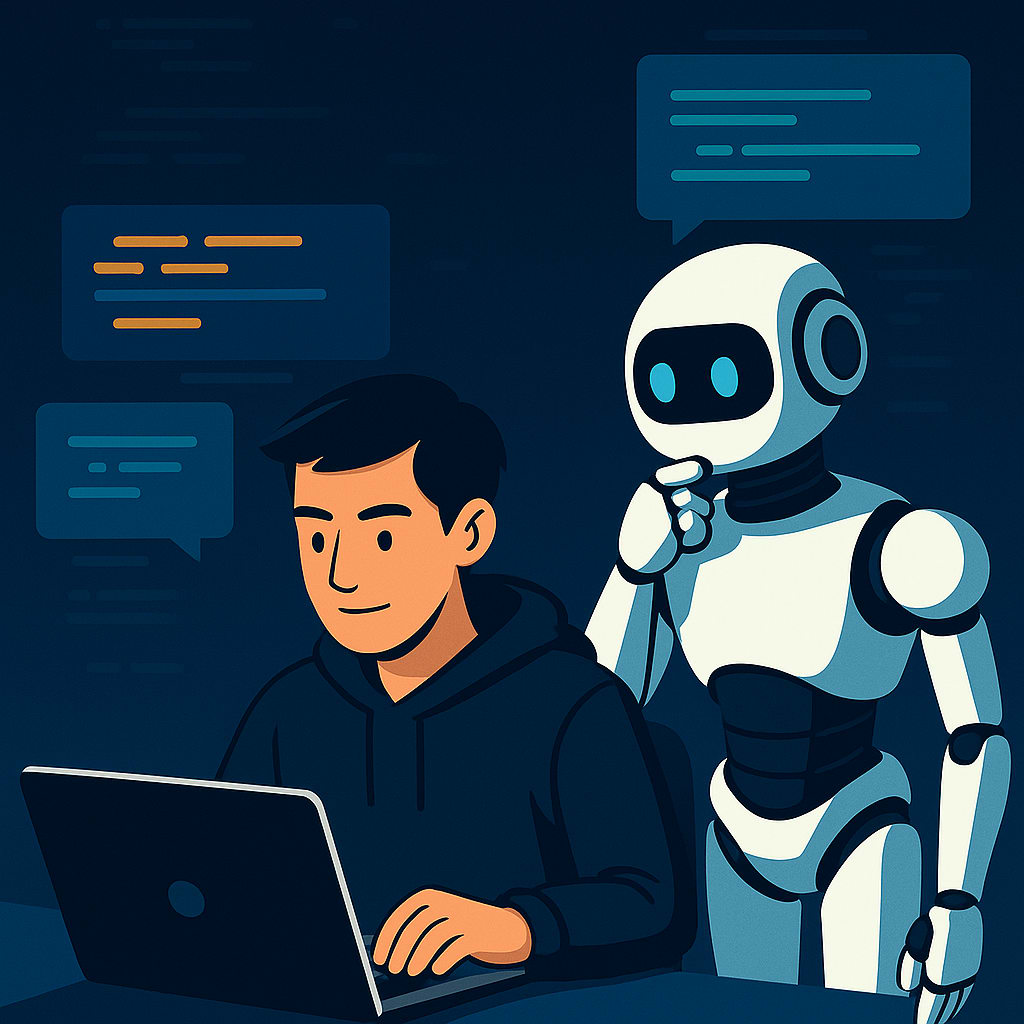
Coding used to be something only trained professionals could do—lines of strange-looking text that made websites, apps, and software work. But now, thanks to artificial intelligence (AI), things are getting a whole lot easier. AI tools like OpenAI’s newest GPT-4.1 models are helping people write code faster, fix bugs automatically, and even come up with ideas for new features.
These new AI models are better than ever. They're quicker, cheaper to use, and understand instructions more clearly. You can ask them to clean up messy code, build a basic app, or even help write documentation, and they’ll handle it like a pro. It’s like having a super smart coding partner who never sleeps.
But here’s something important: even with all this cool tech, learning to code is still valuable. The CEO of GitHub, a platform millions of developers use every day, says in a recent podcast, that kids should learn coding just like they learn math or reading. Why? Because understanding how things work behind the scenes helps you make better choices—and makes it easier to work with AI instead of just relying on it blindly.
Think of it like using a calculator. It’s helpful, but you still need to understand how math works to know if the answer makes sense. AI is the same. If you can code, you can check what the AI does, give it better instructions, and avoid problems before they happen.
Over in Silicon Valley, some startups are already running almost entirely with AI. Small teams are launching big products with fewer people, thanks to these smart tools. One founder said he’d rather have five great developers with AI assistants than a team of thirty without. That’s how powerful these tools have become.
This doesn’t mean people are being replaced—it means people are working smarter. With AI handling the boring or repetitive stuff, developers can focus on big-picture ideas and creative problem-solving.
We’re heading into a future where coding won’t just be for tech experts. With AI tools becoming more friendly and powerful, anyone with an idea can start building. It’s no longer about knowing every detail—it’s about knowing how to ask the right questions and use the right tools.
And here’s the kicker: AI code assistants aren’t just useful for seasoned developers. Beginners are using them as learning aids, too. Instead of staring at a blank screen or searching through endless forums, they can get instant guidance from an AI that explains what the code does and how to fix it. It's like having a built-in tutor—always available, always patient.
Large companies are also getting in on the action. Tech giants and Fortune 500 firms are integrating AI coding tools into their workflows to boost productivity and reduce errors. Teams are moving faster, experimenting more boldly, and releasing updates quicker than ever before. It’s not just a trend—it’s a shift in how software is made.
And it’s not stopping at code. AI is starting to bridge the gap between developers and non-developers. Designers, product managers, even marketers are jumping into the mix, using no-code or low-code tools powered by AI to build and test their own solutions. This democratization of development is leveling the playing field and speeding up innovation across the board.
Bonus: Sound Like a Pro with ElevenLabs
Speaking of tools, one that’s making a big impact is ElevenLabs.io. It turns text into speech so realistic, you’d think it was a real person talking. Whether you’re creating tutorials, podcasts, or just want to hear your writing out loud, it sounds smooth and natural. For developers using AI code assistants, it’s a great way to turn code explanations or documentation into audio guides. It even supports different languages and accents. Just like AI makes coding more accessible, ElevenLabs makes listening to content more enjoyable—and a lot more human.
About the Creator
Chris Louie
Welcome! I’m a passionate writer dedicated to empower readers with insightful “how to” articles that foster personal development, mindfulness, and holistic well-being, and much more.
Welcome
Keep reading
More stories from Chris Louie and writers in Futurism and other communities.
Alzheimer’s Drugs Market Outlook: Neurodegenerative Therapy Innovation and Growth Opportunities
According to IMARC Group's latest research publication, The global Alzheimer’s drugs market size reached USD 8.1 Billion in 2024. Looking forward, IMARC Group expects the market to reach USD 12.9 Billion by 2033, exhibiting a growth rate (CAGR) of 5.07% during 2025-2033.
By James Whitmana day ago in Futurism
Australia Off-Road Vehicles Market: Adventure Tourism, Electric Models & Rural Utility Demand
According to IMARC Group, the Australia off-road vehicles market reached a value of USD 490.28 Million in 2024 and is projected to reach USD 861.59 Million by 2033, growing at a compound annual growth rate (CAGR) of 5.80% during 2025–2033. The market is experiencing steady growth as recreational, agricultural and commercial users increasingly adopt off-road vehicles for both adventure and practical applications. The expansion of adventure tourism across Australia’s remote landscapes is driving demand for rugged 4WD vehicles, all-terrain vehicles (ATVs) and utility task vehicles (UTVs) capable of navigating challenging terrain. At the same time, rising adoption of electric off-road vehicles supported by environmental regulations and battery technology advancements is transforming the industry. Additionally, growing demand from agriculture, mining and rural operations is strengthening the market as these sectors rely on off-road vehicles for transportation, equipment handling and operational efficiency.
By Shrestha Roya day ago in Futurism




Comments
There are no comments for this story
Be the first to respond and start the conversation.