
8 Reasons Why Payment Flexibility Matters for Businesses
8 Key Benefits of Offering Flexible Payment Options for Businesses

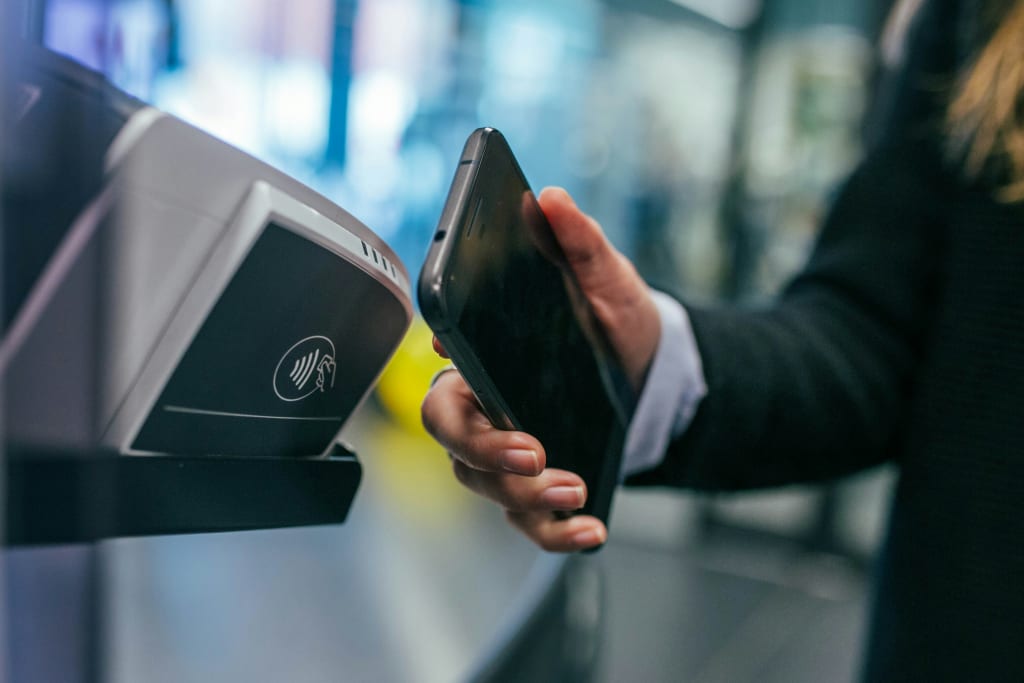
Payment flexibility has become a crucial factor in modern business operations. With changing customer expectations and the evolution of payment technology, businesses that offer flexible payment options can gain a competitive edge. This article explores the reasons why payment flexibility matters and how it benefits both businesses and their customers.
1. Meeting Diverse Customer Preferences
Today’s customers expect businesses to cater to their preferred payment methods. From traditional cash payments to digital wallets and installment plans, offering flexibility ensures that no customer is turned away due to limited options. Businesses that prioritize diverse payment solutions create a seamless and inclusive purchasing experience, encouraging customer loyalty.
Incorporating options like Xero credit card payments can streamline transactions, enabling businesses to manage multiple payment methods efficiently. This flexibility demonstrates a commitment to convenience and can lead to higher customer satisfaction.
2. Boosting Sales and Revenue
When businesses provide payment flexibility, they reduce potential barriers to purchase. Customers are more likely to complete transactions when they have options that suit their financial situations, such as buy-now-pay-later services or interest-free payment plans.
Moreover, flexible payment options can attract customers who might otherwise hesitate to make larger purchases. By removing upfront cost concerns, businesses can increase their average transaction values, directly impacting revenue growth.
3. Enhancing Customer Retention
Convenience is a key driver of customer retention. When customers know they can rely on your business to accommodate their payment needs, they are more likely to return. Payment flexibility fosters trust and loyalty, creating long-term relationships that benefit your brand.
Additionally, offering options like recurring payments or subscriptions simplifies the process for repeat customers, ensuring they continue to engage with your products or services without interruption.
4. Staying Competitive in the Market
Payment technology evolves rapidly, and customers are quick to favor businesses that embrace innovation.
For instance, integrating mobile payment solutions, cryptocurrency, or contactless payment options can make your business stand out in a crowded market. Staying ahead of the curve shows that your business is forward-thinking and responsive to customer needs.
5. Strengthening Cash Flow Management
Payment flexibility doesn’t just benefit customers—it can also improve a business’s cash flow. Options like installment payments or automated invoicing help ensure a steady income stream, reducing the risk of late payments or financial disruptions.
Businesses can also use flexible payment systems to balance their cash flow, particularly during seasonal fluctuations. This allows for better planning and investment in growth opportunities without the stress of inconsistent revenue streams.
6. Adapting to Global Commerce Trends
In an increasingly global marketplace, businesses must cater to international customers. Payment flexibility allows you to accept various currencies, payment platforms, and methods tailored to specific regions.
This adaptability opens doors to new markets and ensures that your business can compete on a global scale. Whether it’s through international credit card payments or region-specific e-wallets, flexibility empowers businesses to expand their reach effectively.
7. Building Brand Credibility
Offering flexible payment solutions can position your business as customer-centric and reliable. Customers associate convenience and ease of payment with professionalism, which can boost your brand's reputation.
Businesses that provide seamless payment experiences are often seen as trustworthy, which can lead to positive reviews and referrals. This word-of-mouth promotion enhances your visibility and strengthens your brand image.
8. Reducing Cart Abandonment Rates
For e-commerce businesses, payment flexibility plays a significant role in reducing cart abandonment. Many customers abandon purchases at checkout because their preferred payment method isn’t available. By offering multiple options, businesses can minimize this issue and encourage customers to complete their purchases.
Payment flexibility also simplifies the checkout process, reducing friction and ensuring a smooth transaction experience. This directly impacts conversion rates and overall sales performance.
Conclusion
By meeting diverse customer preferences, boosting revenue, and improving cash flow, flexible payment options create a win-win situation for businesses and their customers.
Embracing payment flexibility isn’t just about convenience—it’s about adapting to the changing demands of a global market and staying ahead of the competition. Businesses that prioritize this aspect will find themselves better positioned for long-term success.
By integrating flexible payment solutions into your operations, you can enhance customer satisfaction, drive growth, and ensure your business remains resilient in a rapidly evolving economy.
About the Creator
Keep reading
More stories from Emily Lamp and writers in Futurism and other communities.
8 Wedding Car Hire Tips for Your Special Occasion
Weddings are special moments that are supposed to be magical. And one of the most critical components for every wedding ceremony is cars. However, hiring a wedding car can be overwhelming. If you are on a tight budget, then choosing something within your limits is the best bet. But if your budget is flexible, then the following tips suggested by Dream Rides, a vintage rideshare platform where you can search for vintage car hire in Brisbane and other locations in Australia will guide you.
By Emily Lamp6 years ago in Marriage
Why AI Skeptics and Boosters Might Both Be Wrong
For years, the debate over artificial intelligence has split into two loud camps: boosters predicting superintelligence and skeptics warning of overhyped snake oil. But science journalist Jacob Aron argues that both sides may be missing something important.
By Behind the Tech7 days ago in Futurism
Composite AI Market to Reach USD 18.5 Billion by 2033: Multi-Model Intelligence Transforms Enterprise Decision Systems
Market Overview The global Composite AI Market is projected to expand from USD 0.8 Billion in 2023 to approximately USD 18.5 Billion by 2033, reflecting a strong CAGR of 36.7% during the forecast period from 2024 to 2033. Composite AI refers to the integration of multiple artificial intelligence techniques such as machine learning, knowledge graphs, natural language processing, and optimization algorithms into a unified system.
By Roberto Cruma day ago in Futurism
Two Grumpy Old Men Solve the Problem
Marty and Steve were two grumpy old men who lived together. They had known each other for years. Marty had been a bachelor all his life. Steve said it was because no one could stand to ever live with. Marty’s standard reply was “Well, you are, so what sort of a moron does that make you!”
By Calvin London2 days ago in Humor




Comments
There are no comments for this story
Be the first to respond and start the conversation.