
10 Ways AI is Changing the Healthcare Industry
Pros and cons of Artificial Intelligence
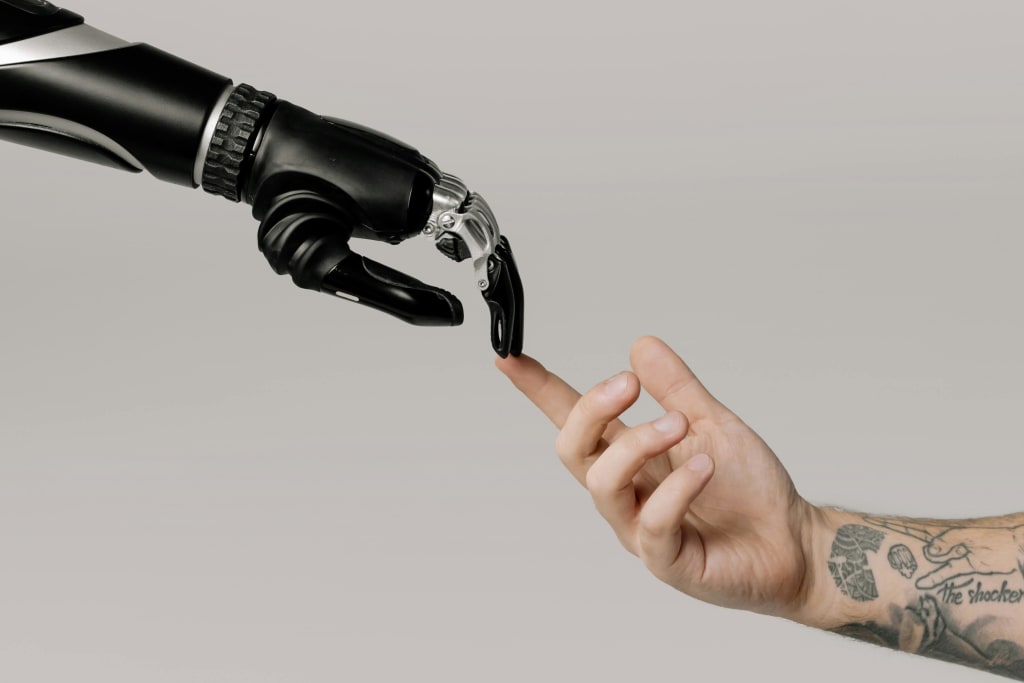
Artificial Intelligence (AI) is transforming the healthcare industry at an unprecedented pace. From early disease detection to robotic-assisted surgeries, AI-driven innovations are improving efficiency, accuracy, and patient outcomes. AI is not replacing doctors, but rather enhancing medical practices, reducing administrative burdens, and enabling better decision-making.
Despite its vast potential, AI also comes with ethical and regulatory challenges that healthcare professionals must navigate.
In this article, we will explore 10 ways AI is revolutionizing healthcare, its benefits, and its limitations.
-1. AI for Early Disease Detection and Diagnosis
One of AI’s most significant contributions to healthcare is its ability to detect diseases early and accurately. AI-powered tools analyze medical images, genetic data, and patient records to identify diseases before they progress.
Here are some Examples:
- AI algorithms detect cancer in mammograms with higher accuracy than human radiologists.
- AI tools help predict Alzheimer’s and Parkinson’s disease before symptoms become severe.
- AI-based retinal scans detect diabetic retinopathy, preventing vision loss.
The impact of Artificial Intelligence
AI enables early diagnosis, increasing survival rates and improving treatment effectiveness.
2. AI-Powered Personalized Treatment Plans
Every patient is different, and AI helps doctors create personalized treatment plans based on genetic makeup, lifestyle, and medical history.
Here are some Examples:
- AI-driven platforms like IBM Watson suggest customized cancer treatments based on a patient’s genetic data.
- AI helps determine the best medication dosages by analyzing real-time patient responses.
Impact:
AI-powered treatments improve patient recovery rates and reduce adverse reactions.
3. AI in Drug Discovery and Development
Developing new drugs is costly and time-consuming, often taking years of research. AI accelerates this process by analyzing millions of chemical compounds to identify potential drug candidates.
Examples:
- AI identified potential COVID-19 treatments in record time.
- AI models help predict how new drugs will interact with human cells, reducing the need for animal testing.
Impact:
AI significantly lowers drug development costs and speeds up the introduction of life-saving medications.
4. AI-Driven Virtual Health Assistants and Chatbots
Virtual assistants powered by AI help patients manage their health, reducing the burden on medical professionals.
Examples:
- Chatbots like Ada Health and Babylon Health provide initial symptom assessments and recommend whether to see a doctor.
- AI-powered voice assistants help the elderly manage medications and schedule appointments.
Impact:
AI-driven chatbots improve patient engagement, provide instant medical guidance, and reduce unnecessary hospital visits.
5. AI in Medical Imaging and Radiology
AI is revolutionizing radiology and medical imaging** by analyzing scans faster and with greater accuracy than traditional methods.
Examples:
- AI detects tumors, fractures, and internal bleeding from MRI, CT, and X-ray scans.
- AI tools like Zebra Medical Vision identify abnormalities that radiologists might miss.
Impact:
AI-assisted imaging speeds up diagnosis, reduces errors, and enhances patient safety.
6. AI for Predictive Healthcare and Risk Assessment
AI helps predict disease outbreaks, hospital readmissions, and patient risks based on real-time data.
Examples:
- AI models analyze hospital records to identify patients at risk of sepsis, heart attacks, or strokes.
- AI tools like Google’s DeepMind predict kidney failure days before it happens, enabling early intervention.
Impact:
AI-driven predictive healthcare improves preventive care and reduces hospital admissions.
7. AI in Robotic-Assisted Surgeries
AI-powered robots assist surgeons by enhancing precision, reducing human error, and improving recovery times.
Examples:
- The Da Vinci Surgical System uses AI to perform minimally invasive surgeries with extreme precision.
- AI-assisted robotic arms help in joint replacement and neurosurgeries.
Impact:
AI improves surgical accuracy, reduces complications, and shortens recovery time.
8. AI in Healthcare Administration and Workflow Automation
AI reduces administrative burdens by handling tasks like medical documentation, billing, and scheduling.
Examples:
- AI-powered transcription tools convert doctor-patient conversations into medical notes, saving time.
- AI automates insurance claims processing, reducing paperwork errors.
Impact:
AI increases efficiency in healthcare administration, allowing doctors to focus more on patient care.
9. AI for Mental Health Support and Therapy
AI-powered tools support mental health care by providing therapy and emotional support.
Examples:
- Apps like Woebot and Wysa offer AI-driven therapy sessions using cognitive behavioral techniques.
- AI detects early signs of depression and anxiety through voice and facial analysis.
Impact:
AI expands mental health access, providing 24/7 support to those in need.
10. AI in Wearable Health Technology
AI integrates with wearable health devices to monitor heart rate, sleep patterns, and fitness levels, providing real-time health insights.
Examples:
- Apple Watch and Fitbit use AI to detect irregular heart rhythms and alert users to potential health issues.
- AI-powered glucose monitors help diabetics manage their blood sugar levels.
Impact:
AI-enabled wearables empower individuals to track their health and detect problems early.
Challenges and Ethical Concerns in AI Healthcare
While AI offers numerous benefits, it also raises ethical and regulatory concerns, including:
- Data Privacy Risks: AI systems collect vast amounts of patient data, raising concerns about security and misuse.
- Bias in AI Algorithms: If AI is trained on biased data, it may produce inaccurate diagnoses for certain populations.
- Lack of Human Oversight: AI should complement, not replace, human decision-making in healthcare.
Final Thoughts
AI is revolutionizing healthcare by improving diagnosis, treatment, and patient care. While it presents challenges, its potential to enhance medical efficiency, reduce costs, and save lives is undeniable.
The future of AI in healthcare lies in responsible development, ethical use, and continuous innovation. With the right balance between technology and human expertise, AI can create a smarter, more efficient, and patient-centered healthcare system.
“AI will not replace doctors, but doctors who use AI will replace those who don’t.” – Dr. Eric Topol
Disclaimer
This article is for informational purposes only and does not provide medical or legal advice. AI in healthcare is an evolving field, and decisions should always be made in consultation with qualified healthcare professionals and regulatory authorities.
About the Creator
Mathi Surendran
I will be talking about the ways to earn money, mental and physical health, weight loss tips, and many more. I hope to throw light into your life so that you can make a new beginning. Travel along with me to visualize the dawn of your life.
Keep reading
More stories from Mathi Surendran and writers in Futurism and other communities.
Projecting the Top 10 Weight Loss Diet Plans for 2025
As 2025 approaches, the quest for the ideal weight loss plan continues to evolve, driven by new research, trends, and technological advancements. While we cannot predict the future with absolute certainty, we can explore the possibilities based on emerging trends and the ongoing success of popular diets.
By Mathi Surendranabout a year ago in Futurism
Rivian R2: A New Chapter in Electric Adventure Vehicles
Electric vehicles are no longer rare sights on the road, yet some announcements still capture public imagination in a powerful way. The Rivian R2 is one of those moments. When people first heard about this upcoming SUV, curiosity spread quickly. Drivers who love outdoor travel, quiet roads, and modern technology started wondering what Rivian might create next. The company already built a reputation for electric trucks and SUVs designed for exploration. Now the Rivian R2 promises something different: a vehicle that could bring that spirit to a wider audience. It represents more than a new model. For many people watching the electric vehicle market, the Rivian R2 signals a shift toward practical adventure, everyday usability, and a future where electric driving feels natural.
By Muqadas khan4 days ago in Futurism
AI in Recruitment Market to hit USD 2.6 Billion By 2033
The global AI in Recruitment Market is expanding steadily as organizations adopt intelligent technologies to improve hiring efficiency and workforce planning. The market is projected to reach approximately USD 2.6 billion by 2033, increasing from USD 0.8 billion in 2023, reflecting a 12.4% CAGR during the forecast period from 2024 to 2033.
By Roberto Crumabout 2 hours ago in Futurism
A Transparent Look at Vocal Challenges and Top Stories
Almost three years ago, we shared a resource article that served as a place for people to suggest new challenge prompts. We thought it would be a good idea to refresh that thread, and take the opportunity to answer a few common questions about top stories, how challenges are judged and how submissions are reviewed.
By Vocal Curation Team4 days ago in Resources



Comments
There are no comments for this story
Be the first to respond and start the conversation.