
The Most Revealing Sign of Emotional Immaturity in a Partner
The Most Revealing Sign of Emotional Immaturity in a Partner; The Importance of Empathy in Healthy Relationships


Relationships are meant to be a source of comfort, growth, and mutual respect. But sometimes, emotional immaturity can hinder that progress, causing conflicts and misunderstandings. Emotional maturity is essential for navigating the ups and downs of life together. But what's the most telling sign of emotional immaturity in a partner? Let's dive in to explore the key signs and how they impact relationships.
What Is Emotional Immaturity?
Emotional immaturity refers to an individual's inability to manage emotions, communicate effectively, or handle conflicts in a healthy manner. It often manifests in childlike behavior where the person avoids responsibility, struggles with empathy, or reacts impulsively to stress. This immaturity can make maintaining a balanced relationship very challenging.
Why Emotional Maturity Matters in Relationships
A healthy relationship thrives on mutual understanding, compromise, and emotional support. When one partner is emotionally immature, they may lack the ability to provide these elements, causing the relationship to become one-sided. Emotional maturity is the backbone of conflict resolution, emotional bonding, and long-term commitment.
The Most Revealing Sign of Emotional Immaturity in a Partner
One of the clearest signs of emotional immaturity is difficulty in handling conflicts. How someone responds when things don't go their way reveals a lot about their emotional state. Whether it's throwing tantrums, sulking, or avoiding conflict altogether, these behaviors indicate a lack of maturity.
Why This Sign Stands Out
Conflict is inevitable in any relationship. How you resolve it determines the strength of the relationship. If your partner consistently avoids tough conversations or escalates small disagreements into dramatic fights, it signals an inability to cope with emotional challenges.
1. Difficulty in Handling Conflicts
Emotionally immature individuals often have an unproductive or even harmful way of dealing with conflicts. They might shout, slam doors, or even go silent for days, leaving the problem unresolved. This avoidance or escalation can lead to increased tension in the relationship.
The Impact on the Relationship
When conflicts go unresolved, they pile up over time, creating a gap in communication and understanding. It leads to resentment and a feeling of being unheard, which can slowly erode the foundation of the relationship.
2. Lack of Accountability
Another sign of emotional immaturity is the inability to take responsibility for their actions. When things go wrong, emotionally immature people often look for someone else to blame - whether it's their partner, a friend, or even circumstances beyond their control.
How This Affects Trust
When a person avoids accountability, it can damage trust. Without accountability, issues cannot be addressed properly, and it becomes harder to resolve conflicts or move forward in a constructive way.
3. Emotional Overreactions
An emotionally immature partner tends to react strongly to minor inconveniences. They may have frequent mood swings, throw fits over small problems, or become upset at the slightest criticism.
Inability to Self-Regulate Emotions
This inability to self-regulate often stems from a lack of emotional intelligence, meaning they struggle to manage their feelings in a balanced and calm manner. Over time, these dramatic reactions can exhaust their partner.
4. Avoidance of Deep Conversations
Emotionally immature partners often shy away from meaningful or difficult conversations, fearing vulnerability or confrontation. They may deflect or shut down when it comes to talking about emotions, future plans, or unresolved issues.

How Avoiding Difficult Conversations Hurts Intimacy
Intimacy is built on trust and communication. Avoiding important conversations can create emotional distance, leading to frustration and unmet needs in the relationship.
5. Overdependence on Others
Sometimes, emotional immaturity shows up as overdependence. The person might lean too heavily on their partner for validation, support, or reassurance, creating an imbalance in the relationship.
Why This Can Lead to Unhealthy Dynamics
Being overly reliant on a partner can stifle the growth of both individuals. It can lead to codependency, where one partner feels burdened while the other struggles to grow emotionally.
6. Inability to Empathize
Emotionally immature individuals often struggle to put themselves in someone else's shoes. They might dismiss their partner's feelings, brush off their concerns, or simply fail to show empathy when it's most needed.
The Importance of Empathy in Healthy Relationships
Empathy is crucial for understanding your partner's perspective. Without it, there's a lack of emotional connection, which can make one partner feel alone or misunderstood.
7. Self-Centered Behavior
An emotionally immature person tends to prioritize their own needs and desires over their partner's. They may expect things to always go their way and become frustrated when they don't.
Why This Indicates Immaturity
Self-centeredness prevents a person from compromising or considering their partner's well-being. It can lead to a lack of balance in the relationship, where one partner gives more than they receive.
8. Fear of Commitment
Commitment often scares emotionally immature individuals. They may avoid discussing long-term plans, become uncomfortable with labels, or express a desire to "keep things casual" indefinitely.
How Commitment Phobia Can Be a Warning Sign
Commitment is essential for a stable relationship. If your partner consistently dodges commitment, it could indicate deeper issues related to emotional maturity.
How Emotional Immaturity Affects a Relationship
When one partner is emotionally immature, the relationship becomes unbalanced. The mature partner may feel like they are constantly carrying the emotional load, leading to frustration and resentment over time.
How to Recognize Emotional Maturity in a Partner
Emotional maturity is often reflected in how someone handles stress, listens to their partner, and communicates effectively. A mature partner takes responsibility, shows empathy, and is willing to grow emotionally.
What to Do if Your Partner is Emotionally Immature
Addressing emotional immaturity requires patience and clear communication. You can encourage your partner to seek personal growth, but if they're unwilling to change, it may be necessary to reassess the relationship.

Strategies for Addressing Emotional Immaturity
Have open, non-confrontational discussions about your concerns.
Encourage personal development, such as therapy or self-reflection.
Set boundaries and prioritize your emotional well-being.
Can Emotional Immaturity Change?
Yes, emotional immaturity can change, but it requires a willingness to grow and self-awareness. Personal development is a long-term process, and some individuals may take longer than others to reach emotional maturity.
Conclusion
Recognizing emotional immaturity is essential for maintaining a healthy relationship. If your partner exhibits signs of immaturity, it's important to assess the situation and decide whether the relationship can grow or if it's time to move on.
FAQs
How Can I Encourage Emotional Growth in My Partner?
Have open conversations, encourage self-awareness, and suggest seeking help through therapy if necessary.
2. Is Emotional Immaturity a Permanent Trait?
No, emotional immaturity is not necessarily permanent. It can change over time with self-awareness, a willingness to grow, and the right support systems in place. People can mature emotionally through personal development and therapy.
3. Can a Relationship Survive If One Partner Is Emotionally Immature?
Yes, but it depends on both partners' willingness to work on the relationship. The emotionally immature partner must be open to growth, and the other partner needs to decide if they can support this journey without sacrificing their own well-being.
4. How Can I Communicate With an Emotionally Immature Partner?
It's essential to use calm, non-confrontational language. Be direct yet gentle, setting clear boundaries. Avoiding blame and using "I" statements can help reduce defensiveness and foster healthier communication.
5. What Are Some Red Flags of Emotional Immaturity in a New Relationship?
Early signs of emotional immaturity include avoidance of deep conversations, refusal to take accountability, excessive emotional reactions, and a lack of empathy. If these behaviors persist, they may indicate deeper issues that can impact the relationship over time.
About the Creator
Muhammad Nadeem
Hello! I'm your go-to resource for the oddball, the curious, and the simply fascinating. You can find me exploring the more bizarre areas of the internet. I investigate everything while maintaining a healthy dose of curiosity and humor.
Keep reading
More stories from Muhammad Nadeem and writers in Filthy and other communities.
It’s okay not to have the energy to deal with people all the time
Introduction We live in a world that celebrates social interaction, where constantly being connected and “on” is often seen as the norm. Whether it’s through work, social events, or even online communication, people often expect us to be available and ready to engage. But here's the truth: it’s okay not to have the energy to deal with people all the time. In fact, it’s perfectly normal to need some time away from others to recharge. In this article, we'll explore why it's okay to step back, the importance of self-care, and how to manage social interactions when your energy is low.
By Muhammad Nadeemabout a year ago in Motivation
Europe Online Travel Market Size and Forecast 2025–2033
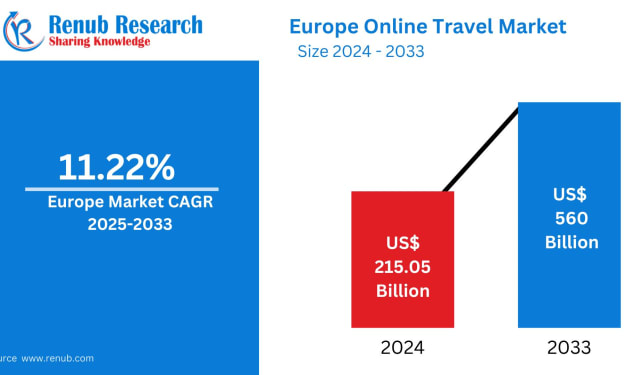
Europe Online Travel Market Outlook (2025–2033) The Europe Online Travel Market is undergoing a powerful transformation as digital innovation, changing consumer preferences, and sustainability-driven choices redefine how Europeans plan and book their journeys. According to Renub Research, the market is expected to expand from US$ 215.05 billion in 2024 to US$ 560 billion by 2033, registering a strong CAGR of 11.22% from 2025 to 2033.
By Janine Root about 4 hours ago in Filthy
You Know Her
Many people say, “I know her,” when they hear the name Mia Khalifa. They say it with confidence, as if they truly understand who she is and what her life means. But knowing a name is not the same as knowing a person. Mia Khalifa is one of the most searched names on the internet, yet she is also one of the most misunderstood public figures of our time.
By John Smith6 days ago in Filthy
Wild Card Weekend Recap: What Happens Now?
I think I figured out why I love Wild Card Weekend so much. It's because it's the first playoff anything of the calendar year. The NFL season starts in the fall, and once upon a time, the champion was crowned either on or slightly before New Year's. The evolution of the NFL schedule has resulted in the playoffs starting just into the New Year, and currently, the final week of the season falls on the first weekend of the New Year, with Wild Card Weekend coming a week after that. So yes, chronologically, the NFL's Wild Card Weekend serves as the first playoff anything of the calendar year.
By Clyde E. Dawkins6 days ago in Unbalanced



Comments
There are no comments for this story
Be the first to respond and start the conversation.