
Inspiring Examples of Erotic Illustrations
An air of mystery goes a long way; the power of erotic illustrations lie in their ambiguity.


If pornography as a whole exists to satisfy our animalistic, inherently human sexual impulses–a means to an end–then it follows that works of erotic art should be similarly differentiated by the artist’s intention as opposed to its degree of explicitness; nudity is a wholly inaccurate benchmark. Someone who approaches artistic mediums with blanket, concrete definitions in mind might underestimate the capability of erotic illustrations to draw on one’s emotions, assuming instead that its disconnect from the human form (in that it’s not a direct depiction like photography) necessarily diminishes its sexuality and capacity to imprint upon our sexual identities.
Counterintuitively, the distance between erotic illustrations and the real-life human form is actually what drives its capacity to inspire and inform our sexuality. In the same way that an air of mystery engages people more than straightforward explanation, there’s something about the allusion to sex that is more intimate and visceral than sex itself.
The power of manually drawing sex lies in the fact that crude and often satirical renderings lend itself to a more substantive reaction. Illustrations do not create distance between the act of sex and the human experience of carnal desire, rather it uses intentional irreverence in order to make a larger point that might be lost in photography or other traditional depictions. Erotic illustrations are emotive and unpredictable-just like sex and life.
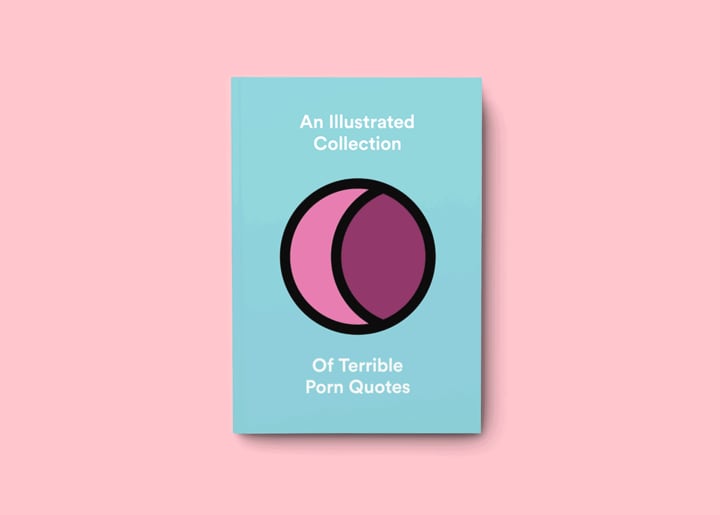
An Illustrated Collection of Terrible Porn Quotes by Kristofer Haugvik
X-Rayted by Stab

Piluchas by Francisca Vidal

Porn Concepts by William f. Santos

Dialogues by Anirban Ghosh

Parafilias Ilustradas by Felipe Novoa (FEN)

War & Porno by Jason Moore
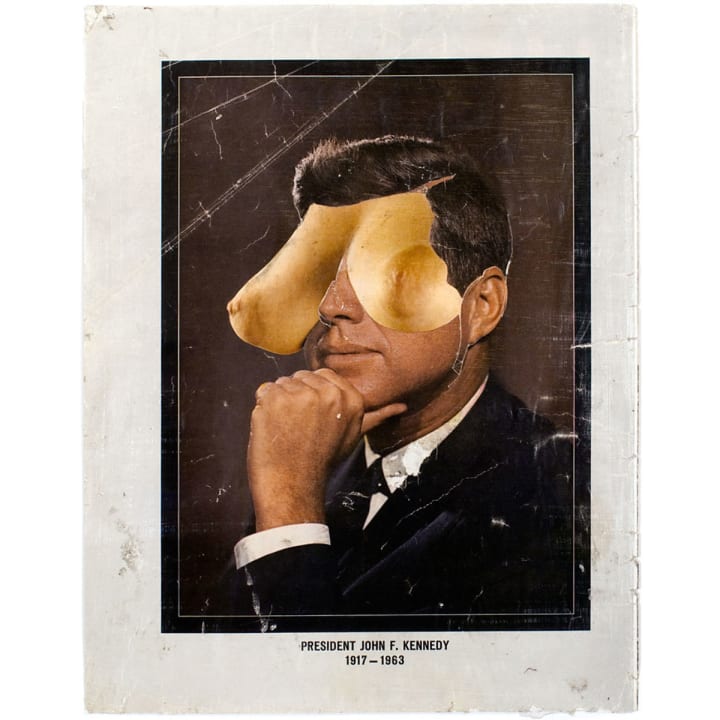
The it Kit Prototype by Laura Pursel

Source
Porn vs Erotica by Sam Sampson
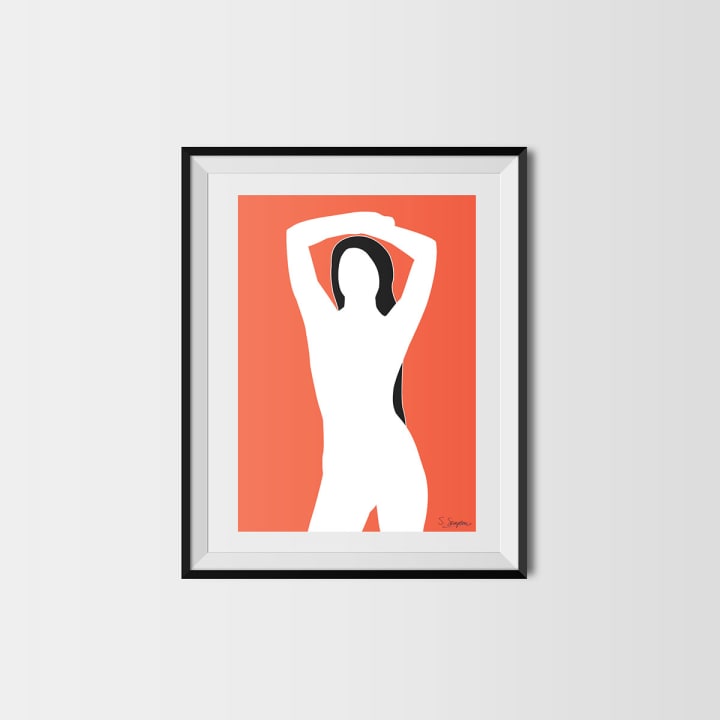
Stars: This is about porn* by Mr Tronch

Original | PINK by Studio-Takeuma
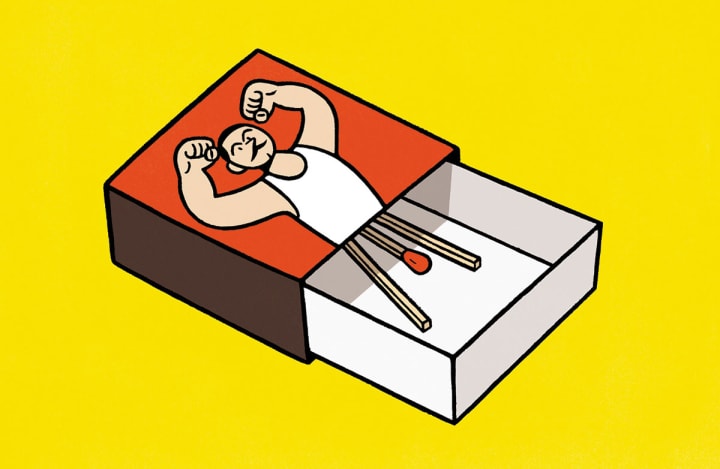
Erotic Tales by Chiara Ghigliazza

Water by Brice Postma Uzel
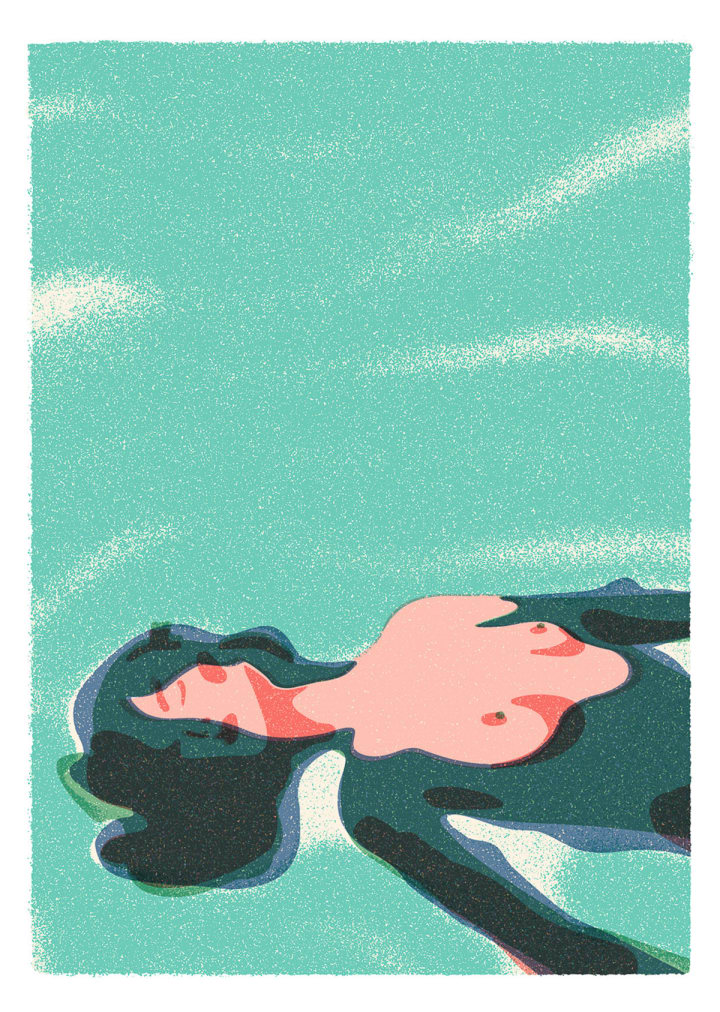
Something about Porn by Yai Salinas

Porno Postal by Rubiano Rubiano
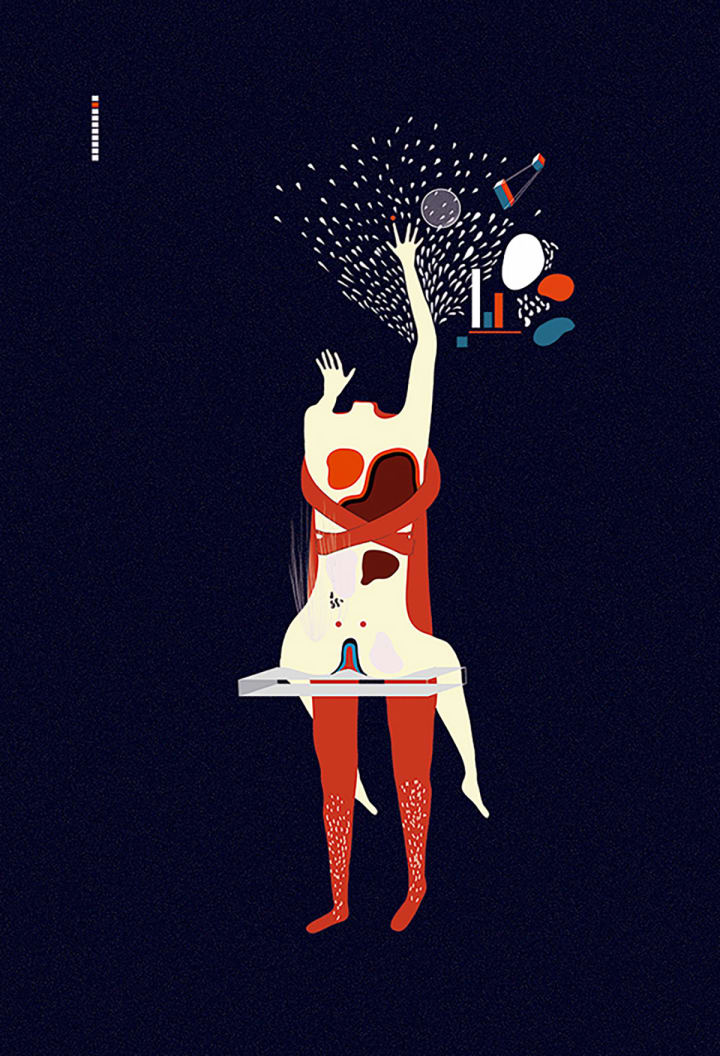
Phazed by Jean Francois Painchaud

Girl With Gun 2 by Giuseppe Cristiano

Untitled by Jo Koss

Took Him to The Sky Garden by Polly Nor

Untitled by Stuntkid

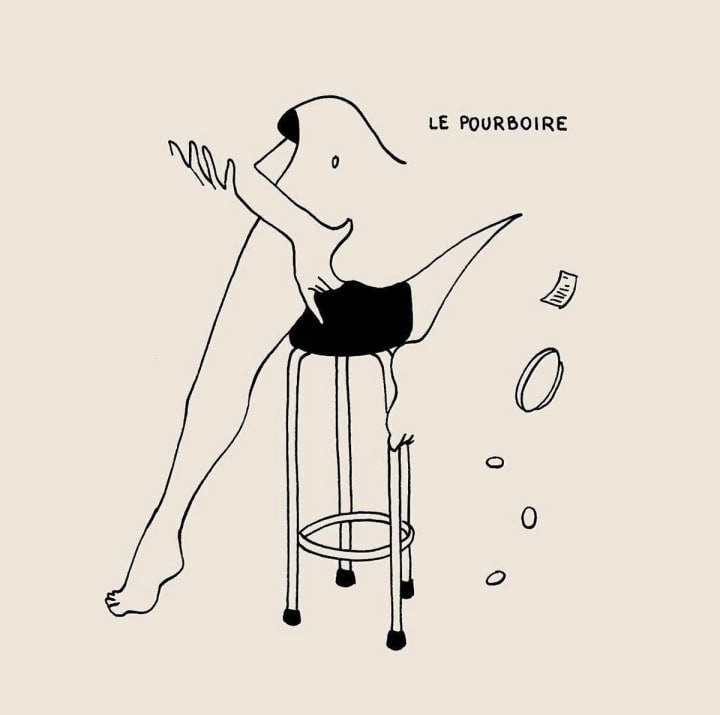
Le Pourboire by Petites Luxures
About the Creator
A. Walter Cox
Keep reading
More stories from A. Walter Cox and writers in Filthy and other communities.
Best Vintage Sex Magazine Logos
Before the sexual revolution enabled pornography to go mainstream (do Penthouse and Playboy sound familiar to you?) adult magazines, or ‘girlie mags’, were already in successful circulation. Now, all of these years later, you might infer that the precursors to mainstream distribution were tamer than their successors; no nipple means less suggestive, right? However, the titles and overall aesthetic of vintage porn are in some ways more lewd and crude than their modern counterparts, more akin to so-called ‘hardcore’ porn which often highlights specific sexual fetishes.
By A. Walter Cox9 years ago in Filthy
Cultivating Intimacy In Long-Term Relationships Through Emotional Awareness
Emotional awareness is the skill to understand and be aware of the emotions of the self and those of the other partner. This is what is vital in long-term relationships to ensure intimacy and connection. Some of the difficulties that couples may undergo include stress, routine or silent expectations that may bring emotional distance between the parties. Through the development of self-awareness, one is able to recognize emotions such as frustration, joy or insecurity in a real time. Acknowledging emotions enables the partners to express needs clearly and react in an empathetic manner. The basis of intimacy is emotional awareness, and this leads to understanding each other and minimizing conflict and both of them feel seen, heard, and that they are valued at an emotional level as well.
By Mark Hipster7 days ago in Filthy
How Lifestyle Choices Improve Communication In Open Relationships
Open relationships with others start with emotional self-care. Unattached people who are more focused on their mental and emotional health can better manifest their emotions and react mathematically. Journaling, meditation, and mindfulness are some of the practices that people can use to recognize their emotions before sharing them with partners. Knowledge of own emotional conditions helps to avoid acting on the spur of the moment and minimize misunderstanding. Self-regulation helps one to tackle sensitive discussions in a peaceful way as one accepts the responsibility of regulating him or herself. Emotional self-care also provides that the communication is constructive and not reactive, and both partners are able to express the views freely. It is based on this that confidence and understanding of the dynamics of open relationships are enhanced.
By Mark Hipster7 days ago in Filthy



Comments
There are no comments for this story
Be the first to respond and start the conversation.