
Can Sun Damage Cause Pigmentation? Here's the Truth
Here's everything you need to know about how your skin behaves under the sun. Read on.


We all adore little rays of sunshine, don't we? A stroll in the sunshine, a relaxing day at the beach, or even just some window time—it all feels therapeutic. But ever noticed uneven skin tone, dark spots, or patches showing more noticeably after basking in the sun? You're not alone—and yes, those intensive rays can be a sneaky culprit of.
Let's discuss sun damage, pigmentation, and how you can protect and treat your skin––just facts and some useful tips against sun damage.
What Is Pigmentation and Why Does It Occur?
Pigmentation refers to the colour of your skin, determined by melanin, a pigment that is made by cells named melanocytes. At times, these cells go into overdrive––producing excess melanin, which results in hyperpigmentation—those darker spots or patches on your skin.
How Sun Exposure Causes Pigmentation
Extended exposure to UVA and UVB rays can stimulate melanocytes to produce excess melanin, a defensive action. Though it's how your body safeguards inner skin layers against UV injury, the effect ends up in sunspots, freckles, and uneven skin tone.
Did you know? Studies by the American Academy of Dermatology (AAD) suggest that exposure to the sun ranks among the primary reasons for discolouration and premature ageing.
Common Signs of Sun-Induced Pigmentation
- Sunspots (Solar Lentigines): Flat, small brown spots generally on the shoulders, face, or arms.
- Melasma: Brown or light brown-grey spots, usually activated by sun + hormones.
- Freckles: Brown spots which tend to get darker in sun exposure.
- Post-Inflammatory Hyperpigmentation (PIH): Dark spots resulting from acne or irritation, worsening with sun exposure.
Is It Reversible?
Good news: Yes, in most cases—with regular care, sun protection, and the appropriate skincare regimen, pigmentation will fade or become visibly diminished. But it does require patience and time.
How to Prevent Sun-Induced Pigmentation
- Always Wear Sunscreen: Use a broad-spectrum SPF 30 or more, even on cloudy days. Reapply every 2–3 hours when in the sun.
- Stay in the Shade: Particularly between the hours of 10 AM and 4 PM when the sun's rays are most intense.
- Cover Up: Hats, sunglasses, and long sleeves are unsung heroes.
- Gentle Skincare: Steer clear of rough scrubs or irritating products on the skin—they only make pigmentation worse.
Effective Ingredients to Fade Pigmentation
If you're already noticing evidence of sun damage, look for products containing:
- Niacinamide – Evens skin tone and soothes inflammation
- Vitamin C – Evens skin tone and neutralizes free radicals
- Azelaic Acid – Inhibits melanin production
- Retinoids – Stimulates cell turnover
- Hyaluronic Acid – Hydrates skin and aids in recovery
Trusted Care with Esthetics by Medicontur
When it comes to science-supported skincare, Esthetics by Medicontur leads the way. Their treatments combine innovative technology and high-quality active ingredients to tackle pigmentation, dryness, and skin ageing—all without upsetting your skin's natural biology.
Skin Products for Summer: Customer Approved!
The most important step in sun protection is applying sunscreen with at least SPF 50. Look for a broad-spectrum sunscreen cream for the face that protects against both UVA and UVB rays. Reapply every two hours, especially if you’re outdoors.
- Apply a protective face sunscreen cream with an SPF of 30 or greater, such as Melablock HSP SPF 30, to guard against UVA and UVB rays.
- Use products such as VIT E ANTIOXYDANT 50ml to counteract free radicals and limit skin damage.
- Retinol, a highly effective vitamin A derivative, has the effect of increasing collagen and fading fine lines and sun spots. Just be sure to use sunscreen, because retinol can make your skin more prone to sun damage. Use RRS® HA Long Lasting PM Serum to enhance skin elasticity and texture.
Final Thoughts
Though sun exposure is one of the biggest pigmentation contributors, the good news is that with proper knowledge and regular skin care, it is completely under control. The secret is not avoiding the sun but making responsible, conscious decisions that both protect and pamper your skin.
For science-backed, effective skincare solutions seekers, Esthetics by Medicontur has a reliable solution. With complex formulas crafted to target pigmentation and general skin well-being, its line of products enables you to take care of your skin confidently.
☀️ Cheers to healthy, glowing skin—protected, treated, and nurtured, from the very start.
About the Creator
Keep reading
More stories from Esthetics By Medicontur and writers in Filthy and other communities.
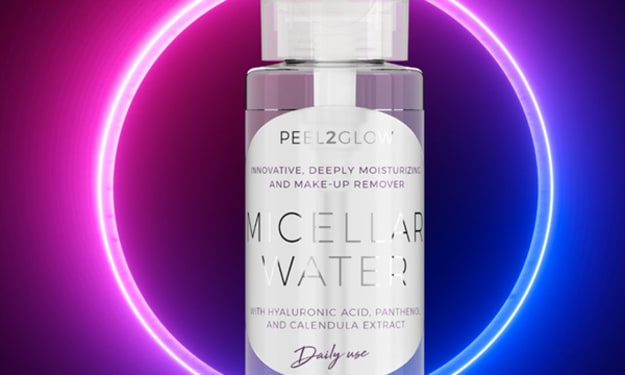
5 Reasons Why Micellar Water Should Be Your Go-To Cleanser
Ever feel like your skin just needs a break—from irritating face washes, stripping products, or that tight, dry sensation after washing? We get it. Sometimes, all your skin truly needs is a little TLC in a bottle. That's where micellar water comes in—your skin's best friend.
By Esthetics By Medicontur8 months ago in Filthy
You Know Her
Many people say, “I know her,” when they hear the name Mia Khalifa. They say it with confidence, as if they truly understand who she is and what her life means. But knowing a name is not the same as knowing a person. Mia Khalifa is one of the most searched names on the internet, yet she is also one of the most misunderstood public figures of our time.
By John Smith4 days ago in Filthy
United States Hotel Market Size & Forecast 2025–2033: Experience-Driven Travel Fuels a New Era of Growth
United States Hotel Market Outlook The United States hotel market is poised for steady and resilient expansion, rising from US$ 255.33 billion in 2024 to US$ 422.10 billion by 2033, reflecting a compound annual growth rate (CAGR) of 5.76% during 2025–2033. Growth is being driven by strong domestic travel demand, rising interest in experience-based stays, continued investment in hotel development, and the digital transformation of guest services. As leisure and business travel stabilize across the country, hotels of all categories—from luxury resorts to economy motels—are benefiting from shifting traveler preferences and renewed mobility.
By Marthan Sir3 days ago in Filthy


Comments (1)
This article on sun damage and pigmentation is spot-on. I've seen firsthand how sun exposure messes with skin tone. Like when I skipped sunscreen on a beach day, my face got darker and patchy. It's crucial to wear SPF daily. But how do you choose the right sunscreen for sensitive skin? And what if you already have pigmentation? Any quick fixes?