
Bread is Killing you Slowly
Is bread really healthy...?

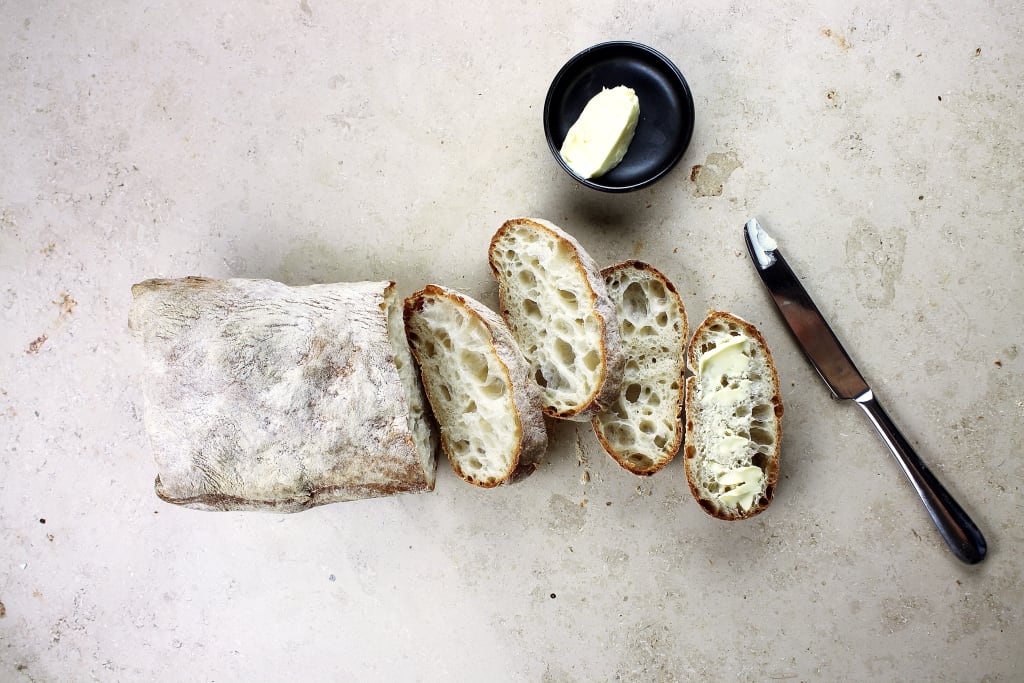
Manufacturers process the grain to remove the bran and germ, resulting in white bread or white flour that has a finer, lighter texture and a longer shelf life. However, this process also removes most of the fiber, vitamins, and minerals, leaving behind only the endosperm which provides quick, easily digestible carbohydrates but little nutritional value. To address this, manufacturers now produce "enriched" flours by adding back some of the missing nutrients using supplements like folic acid and other B vitamins. However, it is important to note that these supplemental vitamins are not as effective as the naturally occurring ones found in unprocessed food sources, as the human body can typically absorb and process nutrients better from unprocessed sources.
How Can Bread Be Unhealthy
The healthfulness of bread can be compromised by the highly processed flour and additives found in white, packaged bread. Overconsumption of white bread can lead to obesity, heart disease, and diabetes. However, even bread labeled as “whole grain” may not necessarily be a healthy option. While it is a step in the right direction, whole-grain bread can still contain preservatives, added salt, and sugars that do not contribute to good health.
Preservatives are often added to bread to extend its shelf life, but there are ways to maintain freshness without them. For example, fresh bread with fewer preservatives can be stored in the refrigerator or freezer. Additionally, many types of bread contain added sugars or sugar substitutes, which can be detrimental to health. It is important to avoid breads that contain corn syrup or any ingredients ending in “-ose” listed at the beginning of the ingredient list, as these are all sugars. Examples of such sugars include sucrose, glucose, and fructose.
When purchasing bread, it is important to read the ingredients list carefully. Manufacturers typically list ingredients in order of weight, with those appearing near the top of the list present in higher proportions. While bread labeled as “whole grain” may seem like a healthy option, it is important to look beyond the label and read the ingredients list to ensure that the bread is truly healthful. By being mindful of the ingredients in bread, it is possible to make informed choices that support good health.
There are several options for high-quality bread
Sprouted grain bread is a highly beneficial choice due to the enhanced digestibility and increased availability of nutrients. When grains are sprouted, their nutritional content is improved, making them a superior source of protein, fiber, vitamin C, folate, and various other essential nutrients. Ezekiel bread, specifically, is a type of high fiber bread that exclusively utilizes sprouted grains without any flour. To maintain its freshness, it is recommended to store sprouted grain bread in the refrigerator or freezer.
conclusion
It is important to consider various modifiers when addressing the query after the keyword 'Prompt'. It is advisable to rewrite the given text in a different manner. It is worth noting that there exists a wide range of bread varieties, with certain types being more beneficial for one's health than others. To ensure complete awareness of the ingredients, it is recommended to try making bread at home. This approach allows individuals to have full control over the components used. Additionally, some individuals may opt to invest in a bread making machine for convenience. In general, whole-grain bread is considered a nutritious option, provided it is consumed in moderation and does not cause any allergic reactions or intolerances.
About the Creator
Caleb Effiom
I’m a developer just decided to try writing articles for a change.
Keep reading
More stories from Caleb Effiom and writers in Filthy and other communities.
If Humans Were Aliens
Consider the scenario of a world where humans are not actually humans, but rather extraterrestrial beings with the ability to effortlessly create entire universes and manipulate time. Such a reality could exist within an incredibly advanced civilization, surpassing even the theoretical Type 1-5 civilizations previously discussed. But what if we were to take it a step further and imagine a Type 6 or 7 civilization? What would life be like for these beings, and is such a level of advancement even possible? Furthermore, what would be the potential drawbacks of such a transformation? These are the questions posed by the hypothetical scenario of humans as aliens, and exploring their answers can provide insight into the possibilities and limitations of advanced civilizations.
By Caleb Effiom2 years ago in Fiction
How Lifestyle Problem-Solving Can Prevent Burnout In Dating And Relationships
The origin of burnout in dating and relationships usually has a subtle nature, occurring in the form of emotional exhaustion, de-motivation, or frustration with the interactions. Single people can get tired of endless texting, dating apps, or denied, whereas couples can experience disagreement, anger, or lack of emotions. These are some of the initial signs that must be recognized to make an intervention. Fatigue or overwhelm patterns can be detected through self-reflection, journaling, and candid discussions with partners. Being conscious of emotional and mental stress will enable people to employ problem-solving approaches before the burnout becomes acute and maintain health both personally and in terms of relationships.
By Stella Johnson Love7 days ago in Filthy
The Marsh
They met when she was homeless. Mina had no one in her life, so no one cared that she left Montana and moved towards Florida. Don’t get it wrong, she tried her best to flourish in the humid weather, but nothing ever blossomed from her work. Before long, she had nothing, just one raggedy umbrella, and a handful of pennies to hopefully buy her pinching stomach a cheap hot dog. She was hungry and miserable, but she refused to head back to Montana. It was a matter of spiteful pride, but also stubbornness. The cold regions of the far mountains held too many memories that hurt her head. After a year on the stinking streets of Gator Falls, she met the man who later became her savior. Her lover. Her master.
By Jennisea Standing Rock3 days ago in Filthy



Comments
There are no comments for this story
Be the first to respond and start the conversation.