
A Tale of Fashion, Fetish and Queer Activism
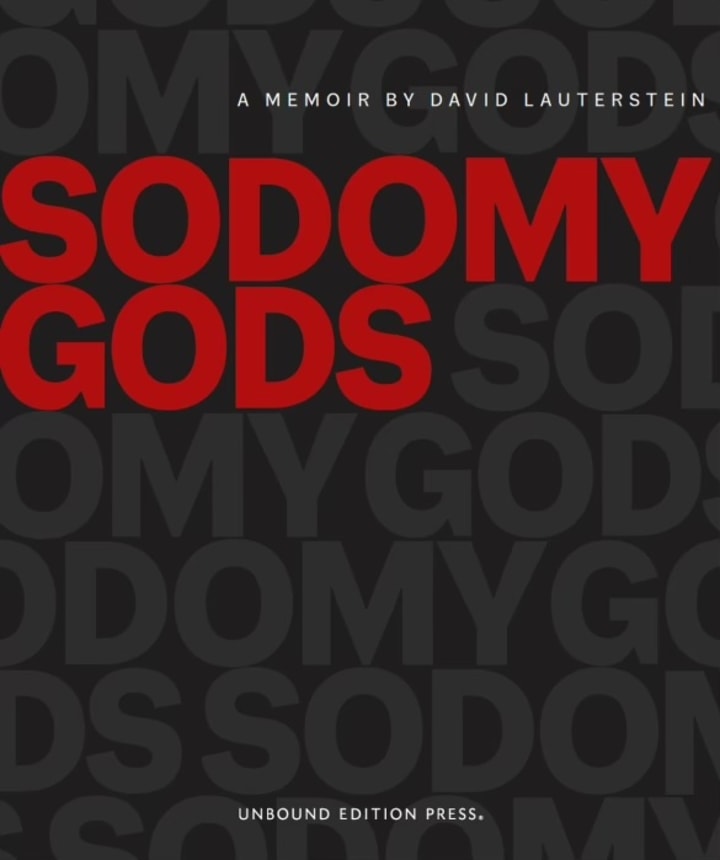
SODOMY GODS is David Lauterstein's coming-of-age story set against the backdrop of the 1990s club scene and the AIDS crisis.


David Lauterstein, co-founder and CEO of the fashion brand Nasty Pig, has long been a pivotal figure in queer culture, renowned for his bold advocacy of sex-positivity and public health. Since establishing the label in 1994, Lauterstein has received recognition for his entrepreneurship, philanthropic work aiding homeless queer youth, and public health contributions, even earning commendation from the White House.
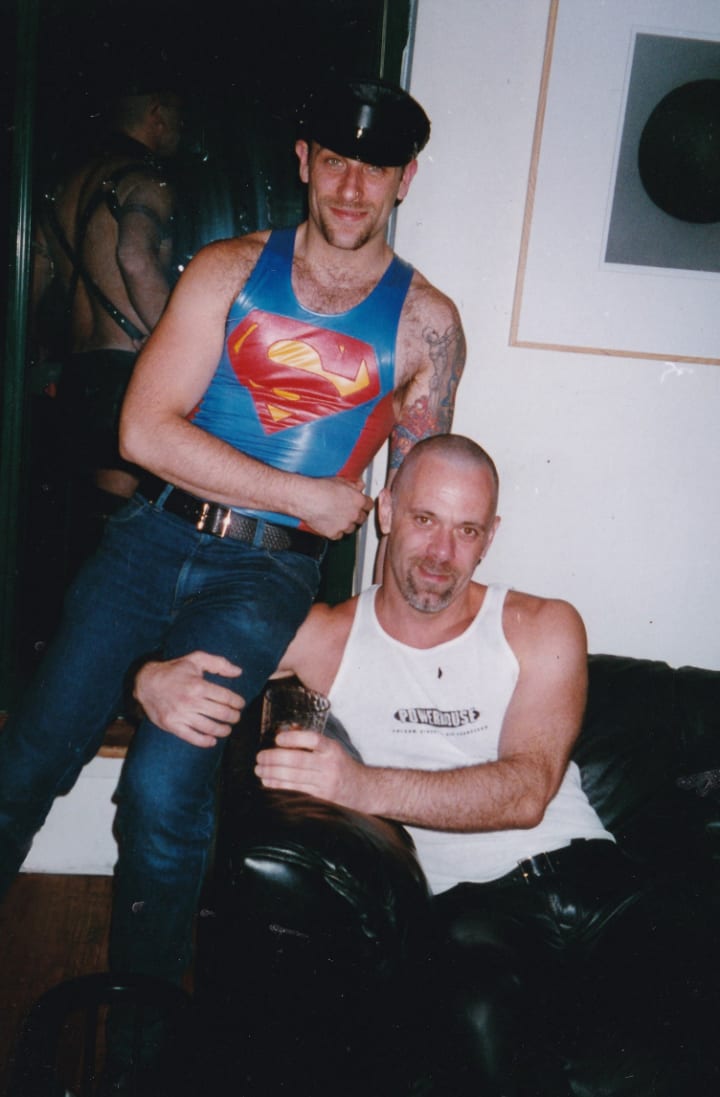
In his debut book, Sodomy Gods, Lauterstein chronicles a journey of personal discovery, resilience, and the power of queer identity and community. Through vivid stories of his experiences during the AIDS crisis, his romance with Frederick Kearney, and his immersion in New York’s underground club scene, he offers readers a raw look at the struggles and victories that defined a generation. His memoir is both a tribute to the past and a call for future generations to honor this legacy of strength and activism.
We spoke with David Lauterstein from his home in NYC.
How did nineties New York City influence your life?
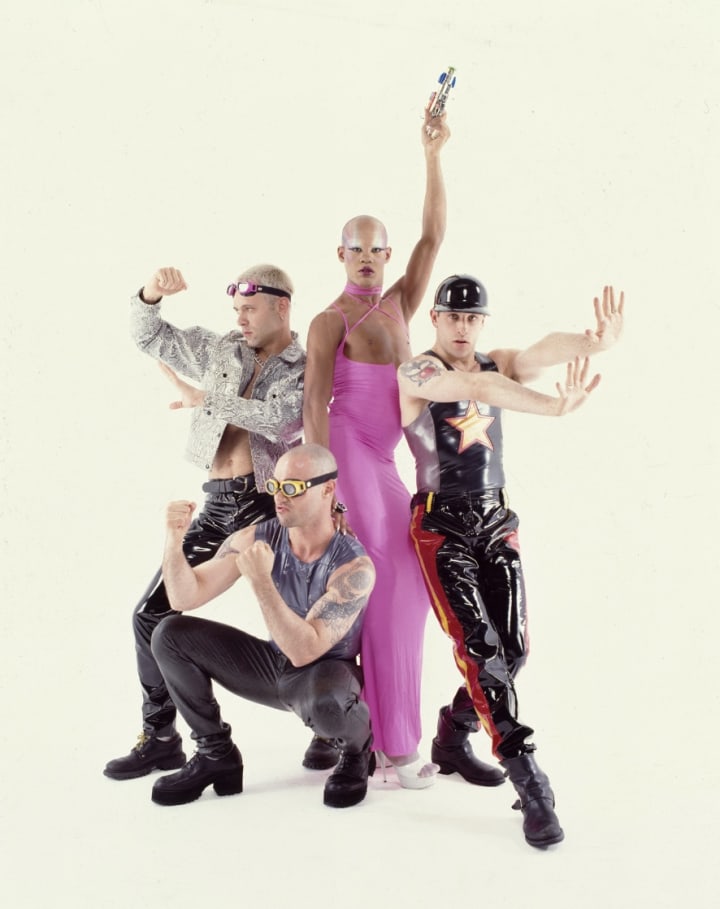
David Lauterstein: New York City in the nineties was a very magical time. It was cheap to live here so the streets were overflowing with the creative energy of the artists who lived here. Being out of the closet was still a defiant act, so there was a real sense of community for those of us who dared to be our authentic selves. And AIDS was ever present in our lives, so when we came together, we did so religiously, dancing and celebrating in the face of death. My husband and I set out to reclaim the crossroads of queer identity and sexual positivity. Sodomy Gods captures that energy.
How does your memoir reflect the struggles and realities of the era, particularly in terms of loss, survival, and community due to the HIV/AIDS epidemic?
David Lauterstein: It's impossible for people to understand what it was like to be queer during the throes of the AIDS epidemic if they didn’t live through it. I’ve seen many of my contemporaries become bitter over this because younger generations haven’t had our hardships. To them I say, “so they should have AIDS so they can feel the pain we felt?” I wouldn’t wish that on anyone. The nineties were such a pivotal time in our movement, and I am hoping my memoir acts as a time capsule from which history and knowledge can be gleaned.
Why was it important to depict the heavy influence that sex and drugs played in your life at the time?
David Lauterstein: When writing Sodomy Gods, I didn’t shy away from being honest about my use of drugs and my sexual desires back then. I think sex and drugs are ingrained in the human experience across cultures and time periods. By treating both with a sense of sacredness, I was able to give a greater purpose to those energies I was exploring, and it is my hope that comes through in my writing.
Sodomy Gods delves into deeply personal experiences of identity and sexuality.
David Lauterstein: Being a very sexual person when HIV/AIDS was still a death sentence was challenging for me. We were expected to celebrate the use of condoms, but for most of the people I knew, it was less a celebration and more of a struggle. To have our intimacy so closely intertwined with our mortality was a mind fuck. Most of the poetry I wrote at the time, some of which made it into Sodomy Gods, explored this theme. It haunted me, but I never let it stop me.
What do you hope readers might learn from your memoir?
David Lauterstein: I hope that people who read Sodomy Gods, especially those who didn’t live through that time, recognize just how different the queer experience was back then and how far our incredible community has come in just three decades. We had almost no representation and now we are everywhere. However, the visibility and the rights we have today are a hard-won privilege, one that can, and is, being eroded. There are forces out there who want to erase us. Don’t let that happen. History may not always repeat itself word for word, but so often it rhymes.
Sodomy Gods is available on Amazon and wherever books are sold.
About the Creator
Keep reading
More stories from Ben Nelson and writers in Filthy and other communities.
Adult Entertainment Through a Feminine Lens
“We are Goop meets Cosmopolitan magazine,” explains Jincey Lumpkin of Juicy Pink Box, her all-inclusive sex-positive blog, content site and marketplace for curious feminine pleasure seekers. “Juicy Pink Box is a space for women to get advice, educate themselves, and engage in their deepest, wildest sexual fantasies.”
By Ben Nelson2 years ago in Filthy
Europe Online Travel Market Size and Forecast 2025–2033
Europe Online Travel Market Outlook (2025–2033) The Europe Online Travel Market is undergoing a powerful transformation as digital innovation, changing consumer preferences, and sustainability-driven choices redefine how Europeans plan and book their journeys. According to Renub Research, the market is expected to expand from US$ 215.05 billion in 2024 to US$ 560 billion by 2033, registering a strong CAGR of 11.22% from 2025 to 2033.
By Janine Root about 4 hours ago in Filthy
You Know Her
Many people say, “I know her,” when they hear the name Mia Khalifa. They say it with confidence, as if they truly understand who she is and what her life means. But knowing a name is not the same as knowing a person. Mia Khalifa is one of the most searched names on the internet, yet she is also one of the most misunderstood public figures of our time.
By John Smith6 days ago in Filthy




Comments
There are no comments for this story
Be the first to respond and start the conversation.