
When the Lights Went Out: A World on Pause
In a world forced into silence, we rediscovered connection, community, and what it means to live.

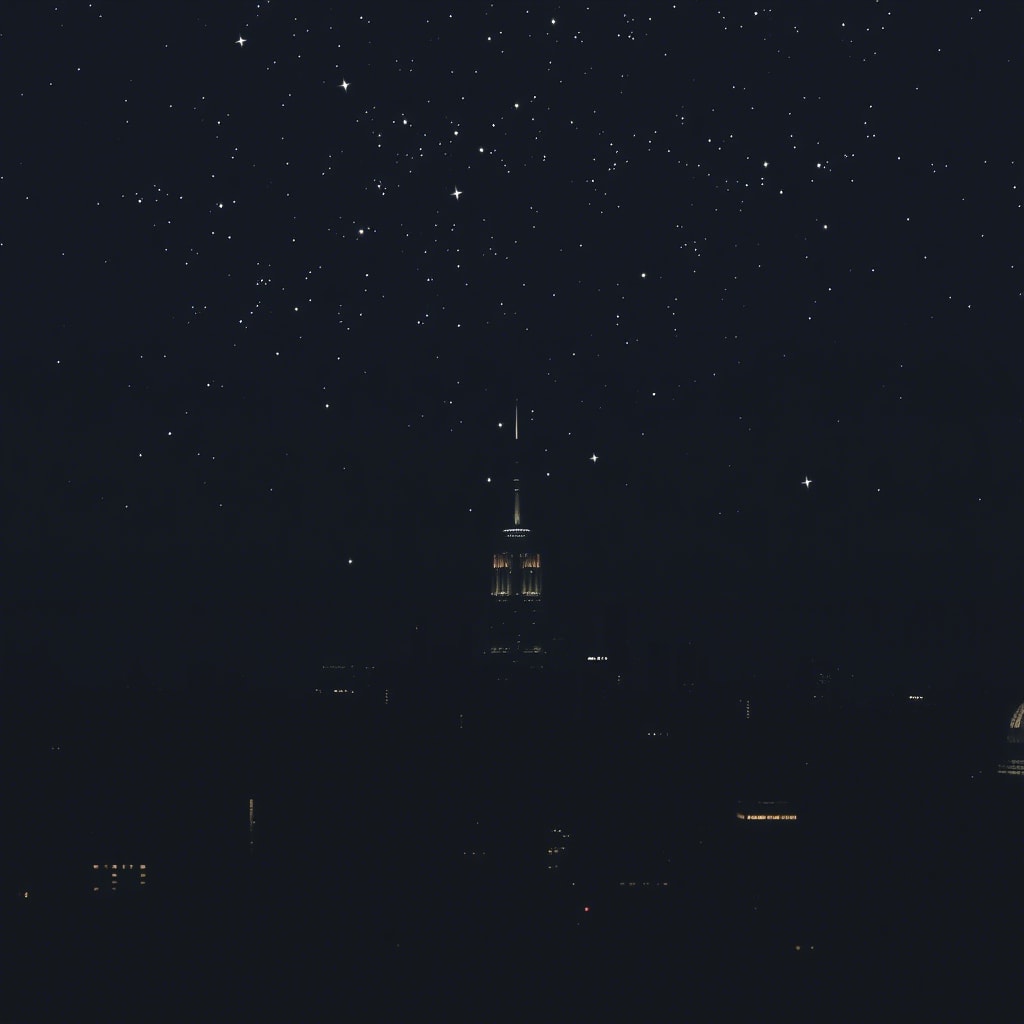
“When the Lights Went Out: A World on Pause”
It started with silence.
Not the peaceful kind that follows a snowfall or settles in after a lullaby. This silence was eerie—like the whole planet was holding its breath.
It began in whispers. News headlines buried between celebrity gossip and sports updates. Something about a cyberattack on a major power grid. Then another. And another. Within a week, entire continents were without power. No internet. No electricity. No phone signals. Airplanes grounded. Markets halted. Cities dimmed like candles snuffed out by an invisible hand.
The world had gone dark.
And I was stuck in a 34th-floor apartment in the middle of New York City.
Day One: Confusion
I thought it was a blackout. Grabbed a flashlight. Checked my phone. Dead.
Down on the street, people were pouring out of buildings, confused and angry. Some tried to joke—“Guess it’s Earth Hour on steroids.” Others panicked, yelling about EMPs and global war. I tried not to listen.
I went back inside. No fridge, no AC, no microwave. Just silence.
That night, I lit a candle and looked out over a skyline that wasn’t there anymore. New York, the city that never sleeps, had finally closed its eyes.
Day Three: Hunger
By the third day, the grocery stores had been looted.
I had a few canned goods and a half-bag of rice. Water still ran—thank God—but the pressure was low, and hot water was a thing of the past. I boiled what I could, rationed what I couldn’t. Neighbors started knocking on each other's doors. First to ask questions. Then to ask for help.
I met people I’d lived next to for years but never spoke to. Maria in 34B had a camping stove. George in 34D had a stash of bottled water. We formed a kind of alliance.
We didn’t know how long this would last. We only knew we wouldn’t make it alone.
Week Two: Adaptation
Rumors flew like flies: nuclear attacks, global economic collapse, an AI uprising. But with no news, no government statements, and no connection to the outside world, no one knew anything.
Some tried to leave. Packed their cars and headed out of the city. But most stayed. What was the point of running when there was nowhere to run to?
We began adapting. Someone from the 12th floor built a hand-cranked radio. We picked up faint, crackling messages—Morse code from Europe, a Spanish voice from South America urging people to remain calm. It wasn't much. But it was enough to know we weren’t alone.
We started trading. Skills became currency. The old woman who knew how to sew became more valuable than any banker. The guy who could fix a bike chain was a local hero.
It was like we’d rewound time.
Month One: Reflection
Funny what happens when the noise is gone.
No ads. No scrolling. No deadlines. No FOMO.
People started talking. Really talking. We told stories. Played board games. Shared meals. The roof became a nightly gathering spot. We'd watch the stars—which, without city lights, were blinding in their beauty. I hadn’t seen the Milky Way since I was a child.
Someone brought up the irony. “It took the world ending for us to start living.”
I didn’t laugh. Because it wasn’t funny. It was true.
The Return
The lights came back on on day 62.
Just like that. A soft hum, a flicker, and then... everything.
Wi-Fi bars. Buzzing phones. Refrigerators whirring to life. The illusion of normal returned.
But we weren’t the same.
News reports flooded in. It was a coordinated cyberattack—no one had taken credit. Dozens of governments blamed each other. Tensions flared. Markets crashed. People rushed back to Twitter to share hot takes.
But something in me resisted. I didn’t want to rush back.
During the blackout, I found a version of myself I didn’t know existed. One who listened more, scrolled less. Who valued neighbors over networks. Who didn’t measure her worth by her productivity or notifications.
And I wasn’t alone.
A World Reconsidered
They called it The Pause.
A moment when the world was forced to step back.
And many didn’t want to go forward in the same way.
Some chose to leave their jobs. Others moved to the countryside. Cities tried to redesign their infrastructure, reduce reliance on fragile grids. Communities set up “analog reserves” — public spaces powered by solar and wind, ready for the next failure.
Not everyone learned the lesson. But enough of us did.
Enough to believe that maybe we needed the darkness to recognize the light.
Epilogue
I still live in that same apartment. But I write now—by hand, sometimes. I tend a rooftop garden. I know the names of the people on my floor. Every evening, I turn off the lights, just for a while, and sit in the silence.
It’s not eerie anymore.
It’s sacred.
About the Creator
Wings of Time
I'm Wings of Time—a storyteller from Swat, Pakistan. I write immersive, researched tales of war, aviation, and history that bring the past roaring back to life
Keep reading
More stories from Wings of Time and writers in Fiction and other communities.
The Great Pajama Heist: Or How I Accidentally a Whole Town in My Underwear
"The Great Pajama Heist: Or How I Accidentally a Whole Town in My Underwear" Chapter 1: The Man in the Polka-Dot PJs Barry Bumble thorn was a man of simple pleasures: stamp collecting, birdwatching, and his prized possession—378 pairs of pajamas. As Snoreville’s most enthusiastic librarian, he lived a quiet life… until the night he became a criminal mastermind. It started innocently. Barry had volunteered to organize the town’s first-ever Pajama Swap Meet at the community center. But when he accidentally knocked over a display of “donated” onesies, he panicked. In a sleep-deprived haze, Barry stuffed his arms into a kangaroo pouch onesie, tripped over a laundry basket, and emerged dressed as a rogue marsupial. The crowd cheered. Someone yelled, “Encore!” Barry fled, but not before grabbing a suspiciously large duffel bag labeled MAY CONTAIN NAP-related ITEMS .
By Wings of Time 6 months ago in Fiction
The Devil's Cut
“Comrade, finally you’re awake.” The voice was smooth, sensual. A flickering incandescent bar was all that lit the white, sterile room. All Vladimir remembered was everything going black. He tried to move his arms and found them strapped to the gurney.
By Matthew J. Fromm4 days ago in Fiction
How to Train Your Unicorn
Congratulations! Despite incredible odds, you found a Malchezedek tier unicorn. It must’ve been a once-in-a-lifetime experience! So now you’re wondering how can you interact with this majestic creature again. Well there are things you should know and certain steps to follow.
By Gabriel Shamesa day ago in Fiction



Comments
There are no comments for this story
Be the first to respond and start the conversation.