
When Objects Started Remembering Us
Some things hold on long after we leave.

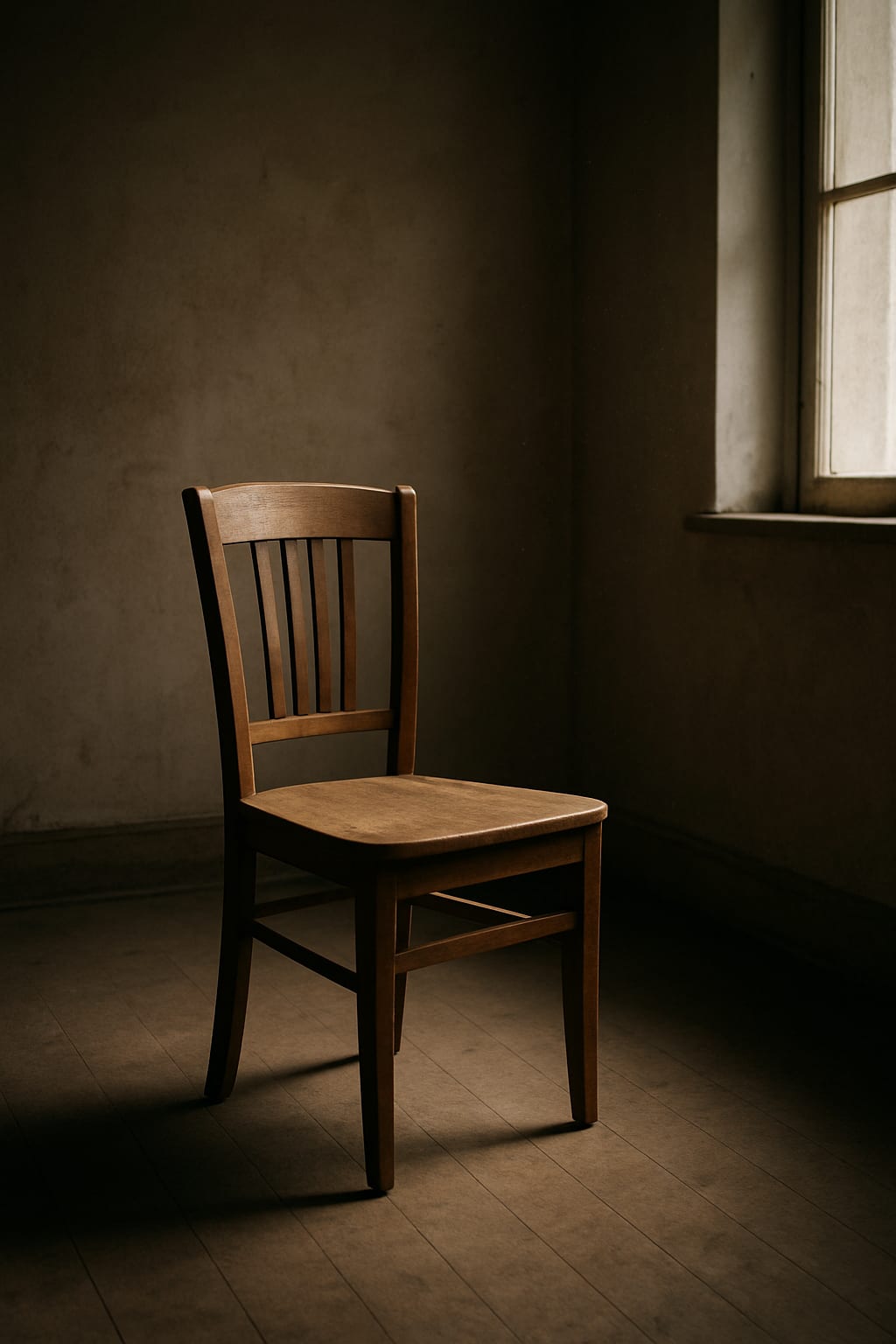
When Objects Started Remembering Us
Nobody announced it. There was no headline, no breaking news banner, no expert panel trying to explain what had gone wrong.
Things just felt… different.
At first, it was easy to ignore. A chair that felt uncomfortable in a way it never had before. A room that made people uneasy without any clear reason. Someone would pause, frown, then move on with their day. Life was already full of strange sensations. This one didn’t seem worth naming.
The first serious complaints sounded ridiculous.
A woman said her sofa felt tired. Not saggy. Not old. Tired, like it had been holding something heavy for too long. She laughed when she said it, half-apologizing for the word choice. The person listening laughed too. Furniture didn’t get tired.
A man replacing his apartment door kept touching the old handle before throwing it away. He couldn’t explain why. His hand just lingered there, every time, like it was interrupting something unfinished.
Most people chalked it up to stress.
But the feeling didn’t leave.
Over time, patterns emerged—though no one called them that yet.
Chairs remembered how people sat in them. Some felt alert, almost upright, as if still expecting company. Others slouched no matter how carefully you placed them, carrying the posture of long evenings and longer silences.
Tables were worse. Dining tables especially. They remembered hands pressed flat during arguments, fingers drumming while waiting for answers, elbows leaning in during conversations that once felt important. Even cleaned, even polished, some tables made people restless without knowing why.
Walls absorbed more than sound.
They held raised voices and the moments right after them—the sharp quiet, the waiting for someone to say something that never came. Fresh paint helped, but only briefly. The feeling always seeped back through, faint but persistent.
Clocks remembered waiting.
People noticed this last, because clocks were supposed to feel heavy. But some clocks felt different. Dense. Like too much time had passed in front of them without moving forward. Standing near those clocks made people check their phones, shift their weight, feel impatient for reasons they couldn’t name.
Abandoned places made it impossible to pretend anymore.
Empty cafés felt crowded. The chairs seemed expectant, the tables uneasy, like something had been interrupted mid-conversation and never properly ended. People didn’t stay long in those spaces. They didn’t know why.
Hospitals were unbearable.
Not because of pain—pain fades—but because of fear. Beds remembered the moment before bad news. Curtains remembered whispered prayers. Visitors started feeling breathless in certain rooms, as if the air itself was waiting for something to go wrong.
One hospital tried replacing everything.
New beds. New equipment. New paint.
It helped for a while.
Then the new objects began remembering too.
Experts tried to explain it, of course.
Some said materials were absorbing emotional residue the way fabric absorbed smell. Others blamed mass suggestion, empathy overload, collective anxiety. There were studies and charts and cautious interviews.
None of it changed how it felt to sit on a chair that remembered grief.
And that was the problem. The remembering wasn’t dangerous. It didn’t hurt anyone. It just made things harder to ignore.
A jacket pulled from the back of a closet felt heavier than it should. A desk made someone’s shoulders tense before they even sat down. A mirror cracked years ago seemed to reflect doubt more clearly than an intact one ever had.
Objects didn’t accuse. They didn’t punish.
They just kept what they were given.
People adjusted in small ways.
Some started owning less. Fewer objects meant fewer places for memories to settle. Minimalism stopped being a trend and became a relief.
Others leaned in the opposite direction. Antique shops filled with quiet emotion. People touched old things and felt something loosen inside them, though they couldn’t say what. Therapists began asking new questions.
“Which room do you avoid?”
“Which object makes you uncomfortable?”
“When did your home stop feeling neutral?”
The answers were rarely logical. They were usually accurate.
Broken things revealed the most.
A cracked mug remembered mornings that never improved. A torn book remembered pauses—moments when reading stopped because the words hit too close. A phone with a shattered screen carried the weight of messages never answered.
People stopped rushing to fix everything.
Some breaks had earned their place.
Eventually, something shifted—not in the objects, but in people.
They began saying goodbye properly.
Not dramatic goodbyes. Quiet ones. A hand resting on a table before moving out. A final glance at a room before rearranging it. Objects didn’t need to remember as loudly once they were acknowledged.
A chair that had held grief could finally hold rest.
A clock that remembered waiting could simply tick.
A wall heavy with arguments could carry silence without strain.
The world didn’t become happier.
It became lighter.
More careful. More honest.
And maybe that was enough.
Because the problem had never been that objects remembered us.
It was that we walked away as if nothing had happened.


Comments
There are no comments for this story
Be the first to respond and start the conversation.