
Unsung Heroes: Exploring the History and Evolution of Shields in Japanese Warfare
Unveiling Japan's Shielded Warriors
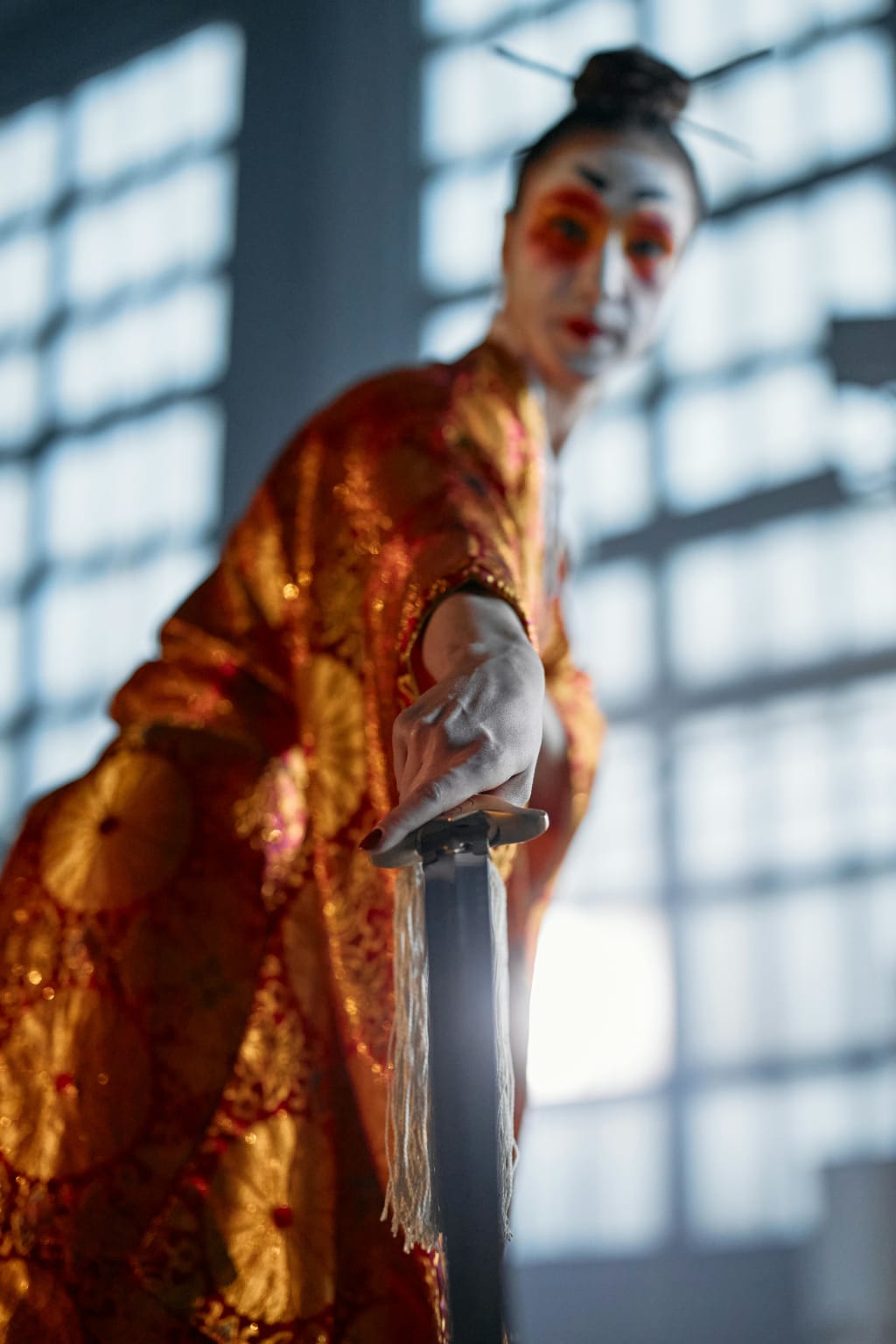
Amidst the chaos of a blood-drenched Japanese battlefield centuries ago, where the air is thick with the clash of steel and the cries of fallen warriors, you find yourself surrounded by ruthless samurai cutting down your comrades. As you contemplate your chances of survival, a notorious samurai sets his sights on you, viewing you as an easy target. With his katana drawn, he charges towards you, ready to deliver a fatal blow. In that moment, a thought flashes through your mind: "Why don't I have a shield?"
Japanese battlefields have been immortalized by iconic weapons and armor known worldwide, like the katana sword and the iron mask of o-yoroi armor. But amid these legendary implements of war, one notable absence stands out: the shield. While shields were a staple of warfare in other parts of the world, they seem conspicuously absent from the popular image of Japanese combat.
However, this oversight stems from a misconception about the full spectrum of Japanese military history. While the samurai are celebrated as master swordsmen, they represent only a fraction of Japan's martial heritage. Other warriors fought alongside the samurai, some of whom relied on portable defenses.
To unravel the history of shields in Japanese warfare, we must understand their purpose and usage. Shields, whether hand-held or stationary, provided active defense against enemy weapons. In Japan's early history, hand-held shields called "tedate" saw widespread use alongside swords and axes. These wooden or hide shields reflected a universal principle of battlefield defense: putting something between oneself and the enemy's weapon.
Similarly, European knights wielded heavy shields alongside swords for both defense and counterattack. Shields also played a crucial role in formations like the Roman testudo, which provided impenetrable cover against arrows and melee weapons.
However, as Japan entered the samurai era, warfare evolved to prioritize speed and mobility. Ashigaru spear fighters, the backbone of Japanese infantry, favored the long-reach naginatas, requiring both hands for effective use. Heavy hand-held shields became impractical in this fast-paced combat environment.
Instead of traditional shields, Japanese soldiers utilized innovative defenses like the conical jingasa hat, which diverted blows away from the head. While not as sturdy as European shields, the jingasa offered supplementary protection without hindering mobility.
Another form of Japanese shield was the "tate," a stationary iron shield used primarily by foot soldiers to deflect arrows. Tate provided cover for archers without impeding their ability to fire accurately, demonstrating a pragmatic approach to defense.
Interestingly, the decline of shields in Japan mirrored trends in European warfare. Advances in armor technology made shields less essential, as knights relied on full plate armor for protection. Similarly, the introduction of firearms rendered shields less effective against ranged attacks.
In Japan, the ashigaru adapted to the threat of firearms by deploying makeshift defenses like the "taketaba," bundles of straw suspended in front of tate shields to slow down bullets. This flexible approach to defense ensured the continued relevance of shields in evolving battlefield conditions.
Ultimately, the myth of Japanese warriors eschewing shields overlooks the nuanced reality of historical warfare. While samurai might not have relied heavily on shields, other soldiers recognized their value in certain contexts. By understanding the multifaceted nature of Japanese military history, we can appreciate the diverse strategies and innovations that shaped its martial traditions.
About the Creator
Briona Whitehead
Hi, I'm Briona Whitehead, a storyteller who specializes in crafting gripping tales of suspense and mystery. Get ready for an unforgettable adventure that will leave you captivated from start to finish.
Keep reading
More stories from Briona Whitehead and writers in Fiction and other communities.
Evolution Uninterrupted: The Endless Reign of Dinosaurs
65 million years ago, dinosaurs reigned supreme, their colossal forms dominating every era they inhabited, unquestionably ruling as the kings of the animal kingdom. Then, in a cataclysmic twist of fate, everything changed. An asteroid, an ominous harbinger from the depths of space, hurtled towards Earth with unfathomable speed, destined to rewrite the course of history. The impact was nothing short of apocalyptic, unleashing devastation on a scale never before witnessed. Fires ravaged the land, tsunamis engulfed coastlines, and an ominous debris cloud blanketed the sky, shrouding the planet in darkness. In the blink of an eye, 75% of life on Earth vanished, and the mighty dinosaurs, once unparalleled in their dominance, faced extinction.
By Briona Whitehead2 years ago in Fiction


Comments (1)
Fascinating! Great history!