
Unfollowed: The Fall of Ava Rose
When the Camera Doesn’t Cut, the Truth Comes Out

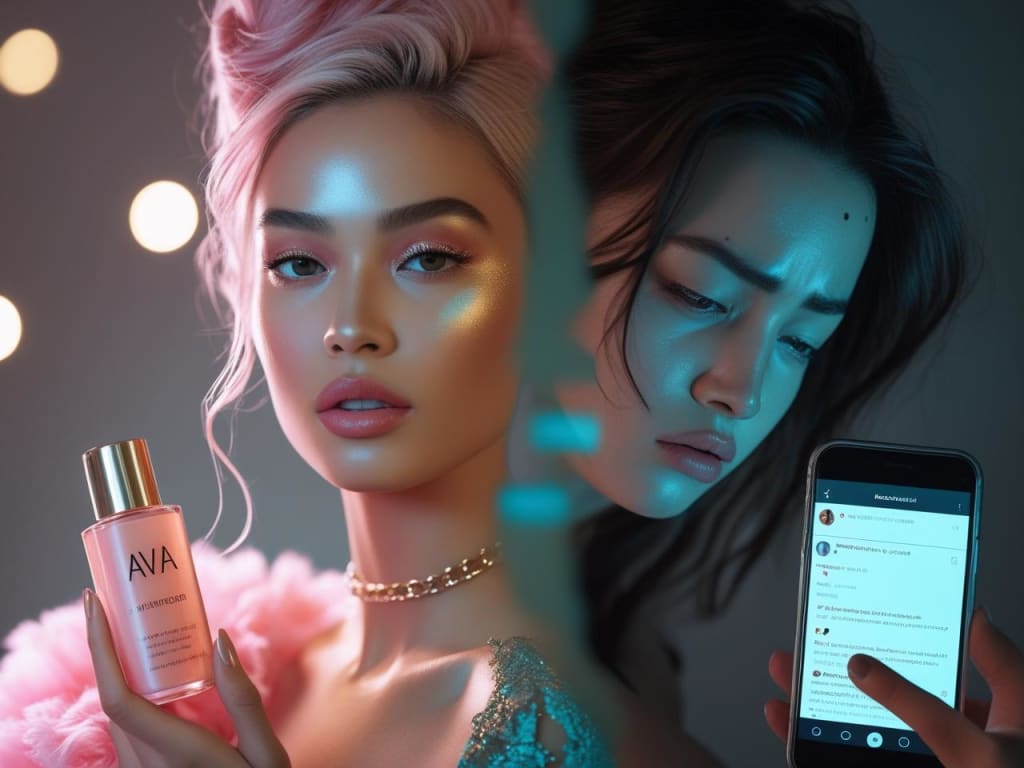
Ava Rose had it all—millions of followers, brand deals with the biggest names in fashion and skincare, and a beachfront apartment that made her the envy of every influencer under 30. Her fans adored her for her relatability, style, and candid "no-filter" attitude. But on a sunny Thursday morning, all of that came crashing down in a 38-second video that spread faster than wildfire.
It started with a livestream.
Ava had gone live to promote a new line of eco-friendly makeup, chatting casually with her followers as she unboxed PR packages and sipped on a $9 iced matcha. But what her phone didn’t catch was that her other camera—a DSLR she used to film polished YouTube content—was still recording. And when she accidentally knocked it over while grabbing a lip gloss, it captured something that would change her career forever.
The raw, unedited footage showed Ava turning to her assistant, Jade, with a scowl.
“God, why do they keep sending me this ‘green’ crap? Like I care about biodegradable packaging,” she snapped, chuckling. “The followers eat this stuff up. 'Save the turtles,' right?”
Jade laughed awkwardly, clearly uncomfortable, but Ava pressed on.
“And you saw the comment section today? Some girl said I 'inspired her sobriety journey.’ Like, get a life. I was just doing a detox for clout. People are so gullible.”
The camera fell silent after that, recording the sound of Ava clicking her tongue and going back to smiling for her audience.
Within hours, someone—no one knows exactly who—uploaded the video to Twitter with the caption: “This you, @AvaRoseOfficial?” It gained 100,000 retweets in a day.
The backlash was immediate and brutal.
#UnfollowAva trended for three days straight. Brands like Glossier, Reformation, and Thrive Market announced they were ending their partnerships. Her publicist dropped her. Even her own fans turned on her, flooding her comment sections with broken heart emojis and scathing critiques.
"You were my role model during rehab. I can't believe you mocked that," wrote one user.
Another posted, "All this time I thought you were different. You're just another performative influencer using activism for likes."
Within 72 hours, Ava’s follower count dropped by 3.1 million.
Ava issued a Notes app apology the next morning.
“I want to sincerely apologize to everyone I’ve hurt. The video that surfaced was taken out of context and doesn’t represent who I am or what I stand for. I’m learning and growing every day. Please be patient with me.”
It did little to help.
Critics pointed out that she didn’t directly address the mocking of sobriety, nor did she acknowledge how her “eco-conscious” branding was clearly just a marketing ploy.
Podcasts dissected her rise and fall. Think-pieces with titles like “The Problem with Ava Rose” and “Influence, Illusion, and the Internet” flooded media outlets. Even The New York Times weighed in with an op-ed called, “Is This the End of Influencer Culture?”
But Ava wasn’t done yet.
Three weeks later, she reemerged—not with an apology video, but with a documentary teaser titled “Unfiltered: The Ava Rose Story.” In it, she sat on a couch in minimalist clothing, makeup-free, looking solemn.
“I let the fame get to me,” she said. “But I’m not the only one.”
The documentary, released on YouTube, was part confession, part self-defense. She admitted to prioritizing image over integrity, yes, but she also argued that influencer culture itself rewards superficiality and performance over authenticity.
“I’m not excusing what I did,” she said, “but I want people to understand how this industry works. The pressure. The facade. The performative empathy everyone expects.”
Critics were divided. Some called it a tone-deaf attempt to rebrand. Others saw it as a genuine wake-up call. But regardless of opinion, the video racked up 12 million views in two days.
Meanwhile, Ava went quiet again. Her Instagram stayed inactive. She posted no new videos, declined interviews, and appeared to vanish from public life.
Six months later, she resurfaced—this time, not as an influencer, but as a speaker at a mental health and digital wellness conference. She talked about parasocial relationships, the dangers of performative activism, and how fame had warped her sense of self.
“I built my brand on being ‘real,’ but I didn’t even know what real meant anymore,” she told the audience.
Surprisingly, the speech went viral—not as a scandal, but as a comeback.
A new hashtag emerged: #GrowthOverClout.
Today, Ava Rose has a smaller platform, but a more engaged one. She still posts occasionally, but it’s mostly about recovery, mindfulness, and digital boundaries. No more brand deals. No more filters. Just Ava.
Some fans never returned. Others found a strange comfort in her fall from grace.
Because in a world obsessed with perfection, maybe the most relatable thing Ava ever did... was mess up.
About the Creator
Bomb Scare
It was 2027, and the world never thought it would happen. A missle hit the United States, but it wasn't where they had anticipated. A little town in the northeast was hit by a missile strike, they didn't know why, and they didn't know exactly where it hit, but they did know it was a coastal community, somewhere between Maine and Delaware.
By Gregory Payton7 days ago in Fiction


Comments (1)
This is quite a fall from grace for Ava. It's crazy how one unguarded moment can blow up like that. I've seen similar things happen in the tech world, where a small oversight leads to big problems. It makes you wonder what she could've done differently. Maybe been more careful with her cameras or thought twice before speaking so candidly. How do you think she can try to rebuild her image now?