
Uncovering the Shadows of the Night
The Mysterious Legend of the Werewolf
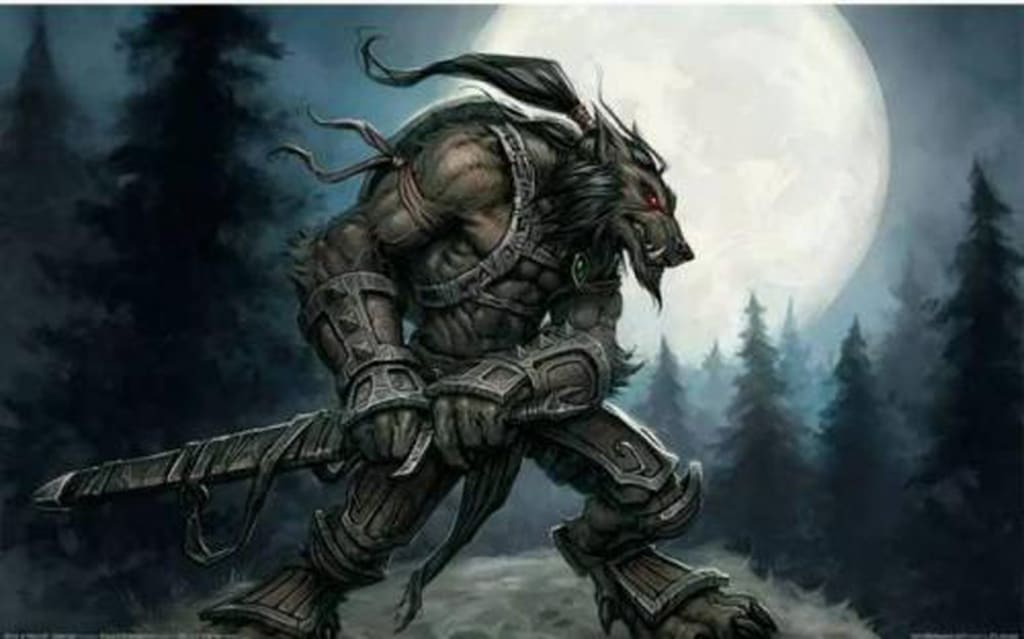
In many cultures and legends, werewolves are regarded as both mysterious and feared creatures. They are not only the embodiment of human beings, but also the embodiment of beasts, and have become the subject of repeated depictions in literature, film, television and other media. The werewolf is more than a simple legend; its origins, characteristics, associated cultural context, and its influence in modern popular culture make for a complex and fascinating subject.
Origins and history of werewolves
The origins of the werewolf concept can be traced back to ancient Greek times, and there are references to people who can transform into wolves. The most famous legend comes from "Lycaen," a king of Atlantis. According to myth, he was punished for his disrespect to Zeus by being transformed into a Wolf. The story reveals the antagonistic relationship between man and beast, symbolizing the hidden wild side of human nature.
After the Middle Ages, stories about werewolves began to spread widely in Europe, especially France, Germany, and Scandinavia. There are rumors that during the Black Death, some people were tried and executed for being werewolves. During this period, werewolves were seen as creatures in collusion with demons, and their image was gradually demonized, becoming synonymous with mystery and terror.
Werewolf characteristics and transformation process
Werewolves are often depicted as creatures that appear at night, with a mix of human and Wolf characteristics. In many stories, werewolves can only transform on the night of a full moon, accompanied by physical changes, including the growth of claws, sharp teeth, and hair. The werewolf transformation process is often portrayed as intense pain, symbolizing a man's struggle against his own wild instincts.
At the same time, werewolves are strong, agile, and extremely perceptive, making them an extremely threatening presence. Their sense of smell, hearing, and night vision are superior to those of ordinary humans, giving them an easy advantage when chasing prey. In the legend, werewolves have a great thirst for blood, and this wild instinct reflects the primitive impulses and desires in human nature.
Representations of werewolves in various cultures
Although the werewolf is an important symbol in Western culture, it has a similar presence in other cultures. For example, in the Mayan culture of Central and South America, there was a legend of "Nahual", a person who could transform into an animal. These transformations are believed to be a union with nature, a form of witchcraft.
In Indian folklore, the Rakkhosh (Wolf God) is an evil spirit believed to have the shape of a Wolf and the ability to transform. They are capable of hunting humans at night and are often associated with some mysterious power. These examples show that while cultures and stories vary from place to place, a vague understanding of the boundary between humans and animals is a common phenomenon.
Representations of werewolves in modern culture
With the development of The Times, werewolves have gradually entered modern pop culture and have been reinterpreted in various ways. From the 20th century horror classic "The Werewolf" to the modern TV series "Real Blood," the image of the werewolf has become increasingly diverse. In these works, the werewolf is no longer simply an evil creature, but a character endowed with complex emotions and inner struggles.
Not only that, werewolves have become an important element in young adult literature. For example, the werewolf characters in the Twilight series show their relationship with vampires, further enriching the image and story lines of werewolves in modern literature. This reconstruction also makes the werewolf less an embodiment of terror and more an in-depth discussion of identity, belonging and humanity.
The relationship between science and werewolf legend
In addition to cultural and artistic factors, the origins of the werewolf legend may also be related to certain medical phenomena. Lupus, for example, is a skin condition in which a person's skin is severely damaged when exposed to the sun, which can lead people to mistake the person for a mutated creature. In addition, some mental illnesses, such as rabies, can also cause extreme behavior, as well as a desire or hatred for animals. All of which may have inadvertently reinforced the werewolf legend.
At the same time, some studies in biology have shown that wolves are actually extremely social animals, with pack behavior similar to some of the social habits of humans. This similarity may have allowed early humans to make the "man-wolf" connection when observing Wolf behavior, thus forming the werewolf myth.
Summary: The charm of werewolf legend
Whether as a horrible existence, or as a symbol of deep human nature, the image of the werewolf has constantly attracted people's imagination and discussion. It not only reflects people's fear and reverence for the natural world, but also reveals the complexity and wildness hidden in human nature. With the development of The Times, the status of werewolves in modern culture is still stable, and will continue to trigger people's exploration and reflection on the depths of their hearts.
In the future, the theme of werewolves will continue to inspire more creation and discussion, whether in literature, film or games. In today's world of technology and culture, the werewolf is still an eternal symbol worthy of our reflection.
About the Creator
How to Become a Werewolf
Thank you for choosing Lycan Brands for your life alteration. WARNING: Side effects of becoming a werewolf may include: bloodlust; drowsiness; insomnia; increased appetite; nausea and decreased appetite caused by overeating; supernatural strength; intermittent and inexplicable aches and pains; itchiness and rash. Do not proceed if you are allergic to becoming a werewolf, or have vasovagal syncope related to the sight of blood (sudden drop in blood pressure resulting in loss of consciousness), or if you are nursing, pregnant, or may become pregnant.
By Ophelia Keane Braeden4 days ago in Fiction


Comments (1)
You have written very good story about The most famous legend comes from "Lycaen," a king of Atlantis. According to myth, he was punished for his disrespect to Zeus by being transformed into a Wolf.