
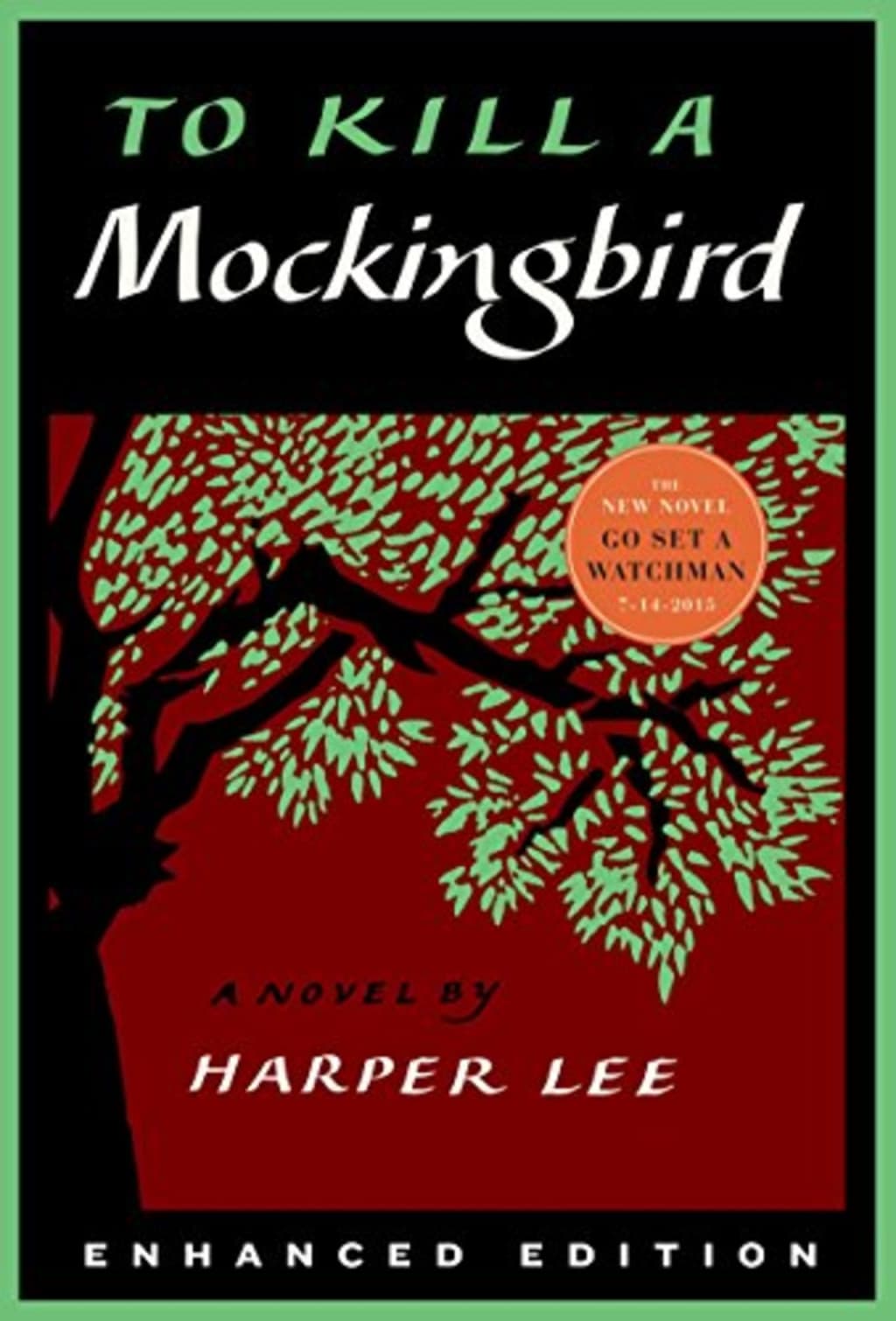
To Kill a Mockingbird by Harper Lee: A Timeless Exploration of Prejudice and Justice
Book Review

Introduction:
Harper Lee's classic novel, "To Kill a Mockingbird," stands as a timeless piece of literature that delves into the complex themes of prejudice, morality, and justice. Set in the racially charged atmosphere of the American South during the 1930s, the story follows Scout Finch, a young girl growing up in the fictional town of Maycomb, Alabama. Through Scout's innocent perspective, Lee crafts a thought-provoking narrative that forces readers to confront the harsh realities of racial inequality and the power of compassion.
Summary:
The heart of "To Kill a Mockingbird" revolves around the trial of Tom Robinson, a black man falsely accused of raping a white woman. As Scout's father, Atticus Finch, defends Tom in court, the story sheds light on the deep-rooted racism and prejudice prevalent in society. Lee masterfully captures the innocent curiosity of Scout and her brother Jem as they observe their father's unwavering commitment to justice, despite facing scorn and hostility from their community.
Review:
"To Kill a Mockingbird" is a profound exploration of human nature, examining both the darkness of bigotry and the resilience of the human spirit. Lee's writing possesses a unique ability to transport readers to a bygone era, immersing them in the nuances of small-town life and the social dynamics that perpetuate discrimination. Through Scout's eyes, we witness the gradual erosion of childhood innocence, as she confronts the ugly realities of racial inequality.
One of the novel's most significant strengths lies in its compelling characters. Scout serves as an engaging narrator, providing a fresh perspective on the injustices and complexities of Maycomb. Atticus Finch emerges as a moral compass, embodying integrity, empathy, and unwavering dedication to truth and fairness. His unwavering belief in the inherent goodness of humanity makes him an enduring literary figure.
Lee's depiction of Boo Radley, a reclusive neighbor, adds an element of mystery and compassion to the story. Boo's character challenges societal expectations and highlights the importance of empathy and understanding. By the end of the book, the reader is left contemplating the true nature of heroism and the consequences of preconceived notions.
The novel's exploration of racial prejudice remains incredibly relevant, even decades after its initial publication. Lee's searing critique of a deeply flawed justice system forces us to examine our own biases and the systemic barriers that impede progress. Through Scout's personal growth, we witness the power of empathy and the potential for change.
Conclusion:
"To Kill a Mockingbird" is a literary masterpiece that continues to resonate with readers of all generations. Harper Lee's eloquent prose, rich character development, and profound exploration of prejudice make this novel a must-read. As we journey through Scout's coming-of-age story, we are reminded of the enduring significance of compassion, justice, and the fight against injustice. "To Kill a Mockingbird" is a poignant reminder of the importance of challenging societal norms and standing up for what is right, even when the odds seem insurmountable.
About the Creator
Keep reading
More stories from writers in Fiction and other communities.
A Love Forboding
The chipped stone slope caused unbearable footing. I slid, skirting on my heels. I cast my shield, relinquishing my guard to stay upright. Left with my double-edge and a prayer to the maker, I skated toward my objective. The earthly stubble gave way to solid ground. I found myself restored, a trail of dust in my wake.
By James U. Rizzia day ago in Fiction
10 Times Rotten Tomatoes and I Disagreed
***Disclaimer*** I will be ranking these movies in the following manner: The greater the divide between Rotten Tomatoes and I, the higher up on the list (and I am referring to the critic's score, not the audience score). I will also show Rotten Tomatoes' score on each one in addition to my score. I am curious to know what everyone thinks, please let me know in the comments below!
By Madison "Maddy" Newton6 days ago in Geeks
Killing him slowly
There’s an intruder in my house again. He stumbles through the door, wet carrier bags in hand. He’s bought me offerings. I show my appreciation, letting him caress my beautiful body. He wants to touch me. I rub myself against his legs. He sighs, dropping the bags. He can’t resist touching me. Running his hand slowly down my spine, I arch my back towards his caress, let out a low purr. It’s what we both need.
By N J Delmas4 days ago in Horror




Comments
There are no comments for this story
Be the first to respond and start the conversation.