
Timeless Insights from the Sufi Poet’s Heart
Rumi’s Eternal Wisdom: A Journey Through His Most Famous Quotes

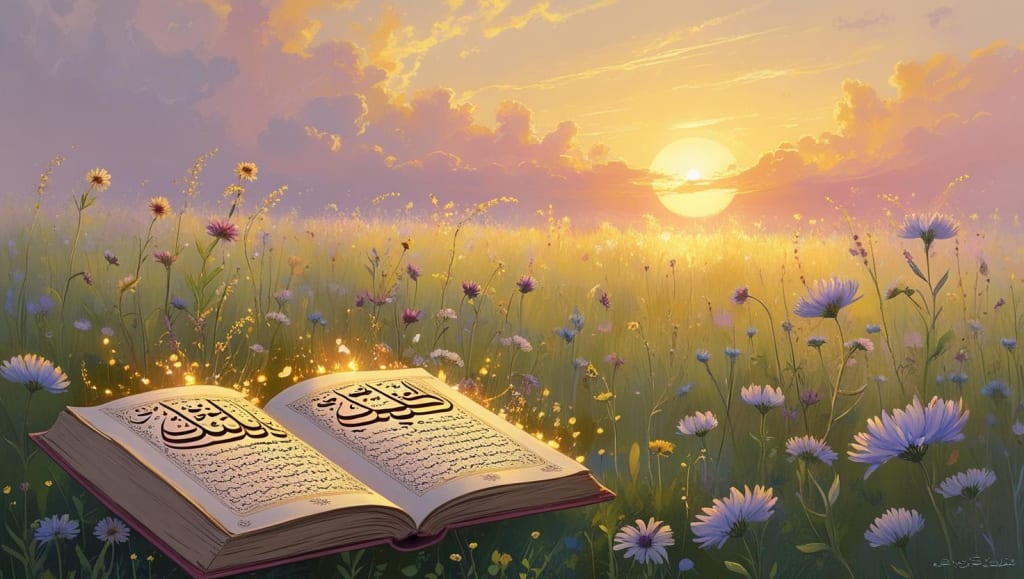
Rumi’s Eternal Wisdom: A Journey Through His Most Famous Quotes
Timeless Insights from the Sufi Poet’s Heart
Jalaluddin Rumi, the 13th-century Persian poet, scholar, and Sufi mystic, has left an indelible mark on the world through his words. His poetry, steeped in themes of love, spirituality, and the human experience, transcends time, culture, and language. Rumi’s verses invite us to explore the depths of our souls, embrace the divine, and find unity in a fragmented world. This article delves into some of his most famous quotes, unpacking their meaning and relevance for modern readers. Through these timeless sayings, we’ll journey into Rumi’s world of wisdom, where every word is a spark of enlightenment.
The Universal Appeal of Rumi’s Words
Rumi’s poetry, often written in Persian and later translated into countless languages, resonates with people across the globe. Born in 1207 in what is now Afghanistan, Rumi’s life was shaped by spiritual exploration, particularly after his transformative encounter with the dervish Shams of Tabriz. This relationship inspired much of his work, including the Masnavi, a six-volume poetic masterpiece, and the Divan-e Shams-e Tabrizi, a collection of lyrical poems. His words, often delivered with simplicity and depth, speak to universal truths about love, pain, purpose, and connection.
Today, Rumi’s quotes are shared widely—on social media, in books, and even in daily conversations. Their brevity makes them accessible, while their profundity invites reflection. In this article, we’ll explore some of his most iconic quotes, offering context, interpretation, and insights into how they can guide us in our own lives.
1. “The wound is the place where the Light enters you.”
This quote, one of Rumi’s most famous, encapsulates the idea that pain and vulnerability are not merely obstacles but opportunities for growth. Rumi suggests that our deepest wounds—whether emotional, physical, or spiritual—are the very places where transformation begins. The “Light” symbolizes wisdom, healing, or divine presence, entering through the cracks of our brokenness.
In a world that often encourages us to hide our pain, Rumi’s words are a radical invitation to embrace it. For example, consider someone who has experienced heartbreak. The wound of loss, though painful, can lead to a deeper understanding of love and self. By allowing ourselves to feel and process pain, we open the door to healing and enlightenment. This perspective aligns with modern psychological concepts like post-traumatic growth, where adversity fosters resilience and wisdom.
Rumi’s Sufi teachings emphasize surrender to the divine flow of life. This quote reminds us that even in our darkest moments, there is potential for illumination. It encourages us to see suffering not as an end but as a beginning—a portal to something greater.
2. “Out beyond ideas of wrongdoing and rightdoing, there is a field. I’ll meet you there.”
Perhaps Rumi’s most celebrated quote, this line from his poem A Great Wagon invites us to transcend dualities and judgments. The “field” represents a space of pure connection, free from the constraints of morality, ego, or societal norms. It’s a call to meet others in a place of mutual understanding and love, where labels like “right” or “wrong” lose their power.
This quote is particularly relevant in today’s polarized world, where debates over politics, religion, and culture often divide us. Rumi challenges us to step beyond these divisions and connect on a deeper, human level. Imagine two people with opposing views—say, on a contentious social issue. Rumi’s field is where they could meet, not as adversaries, but as souls sharing a common humanity. This perspective fosters empathy and dialogue, reminding us that connection is possible even in disagreement.
The imagery of the field also evokes a sense of freedom and expansiveness. In Sufi thought, the heart is a vast space where the divine resides. By meeting in this “field,” we align with Rumi’s vision of unity and love as the ultimate truths.
3. “You are not a drop in the ocean. You are the entire ocean in a drop.”
This powerful metaphor captures the infinite potential within each individual. Rumi suggests that we are not insignificant parts of a larger whole but rather embodiments of the entire universe. This aligns with the Sufi concept of the divine spark within every soul—a reflection of the infinite in the finite.
In a practical sense, this quote can inspire confidence and purpose. It reminds us that our actions, thoughts, and existence carry immense significance. For someone feeling small or powerless, Rumi’s words offer a reminder of their inherent worth. A single act of kindness, for instance, can ripple outward, affecting countless lives, much like the ocean’s vastness is contained in a single drop.
This idea also resonates with modern spiritual and philosophical movements that emphasize interconnectedness. From a scientific perspective, we might think of the atoms in our bodies, forged in ancient stars, as a literal connection to the cosmos. Rumi’s poetic insight bridges the mystical and the universal, encouraging us to recognize our boundless potential.
4. “Let the beauty of what you love be what you do.”
This quote is a call to align our lives with our passions. Rumi believed that love is the driving force of existence, and when we pursue what we love, we live authentically. This could mean creating art, helping others, or exploring nature—whatever resonates with our soul.
In today’s fast-paced world, where work and obligations often dominate, this quote is a reminder to prioritize joy. For example, someone stuck in a soul-draining job might be inspired to pursue a creative hobby or career change. Rumi’s words encourage us to make space for what lights us up, trusting that this alignment will lead to fulfillment.
Sufi philosophy often equates love with divine connection. By following what we love, we move closer to the divine, as our passions reflect the unique gifts we’re meant to share with the world. This quote is both practical and spiritual, urging us to live with intention and heart.
5. “What you seek is seeking you.”
This enigmatic quote suggests a reciprocal relationship between our desires and the universe. Rumi implies that the things we long for—whether love, purpose, or truth—are also drawn to us. This reflects the Sufi belief in divine orchestration, where our deepest yearnings are part of a larger cosmic dance.
For modern readers, this quote can inspire hope and patience. Consider someone searching for a meaningful career. Rumi’s words suggest that their efforts are not in vain—the right opportunity is also “seeking” them. This perspective encourages trust in the timing of life, reducing anxiety and fostering faith.
The quote also invites introspection. If what we seek is seeking us, we must clarify our intentions. Are we pursuing what truly matters to us, or are we chasing fleeting desires? By aligning our goals with our authentic selves, we create a magnetic pull toward fulfillment.
6. “Don’t grieve. Anything you lose comes round in another form.”
This quote offers solace in the face of loss. Rumi suggests that nothing is truly lost; instead, it transforms. This aligns with the Sufi view of life as a cycle of renewal, where endings are merely beginnings in disguise.
For someone mourning a relationship, job, or dream, this quote provides comfort. It encourages us to trust that loss is not the end but a shift toward something new. For example, the end of a friendship might lead to new connections or personal growth. This perspective mirrors the natural world, where seasons change and life regenerates.
Rumi’s words also challenge us to release attachment. By letting go of grief, we open ourselves to new possibilities, trusting that the universe is always working to restore balance.
7. “Raise your words, not your voice. It is rain that grows flowers, not thunder.”
This quote is a gentle reminder of the power of kindness and softness. Rumi contrasts the harshness of “thunder” (anger or force) with the nurturing quality of “rain” (compassionate words). It’s a call to communicate with grace, even in conflict.
In today’s world, where heated arguments often dominate discourse, this quote is a timely lesson. Imagine a workplace disagreement: shouting might assert dominance, but calm, thoughtful words are more likely to inspire understanding. Rumi’s wisdom encourages us to choose gentleness, recognizing its transformative power.
This quote also reflects Rumi’s broader philosophy of love as the ultimate force. By raising our words—choosing those that uplift and heal—we cultivate beauty in ourselves and others.
8. “The garden of the world has no limits, except in your mind.”
Rumi challenges us to expand our perspective and recognize the boundless possibilities around us. The “garden of the world” symbolizes life’s abundance, but our fears, doubts, or limiting beliefs can constrain it.
This quote is a call to break free from mental barriers. For example, someone hesitant to pursue a dream due to fear of failure might find courage in Rumi’s words. By shifting their mindset, they can see the world as a place of endless opportunity. This aligns with modern concepts like growth mindset, where challenges are seen as chances to learn.
In Sufi thought, the mind is both a tool and a trap. Rumi urges us to transcend its limitations, aligning with the infinite possibilities of the divine.
Rumi’s Lasting Legacy
Rumi’s quotes are more than poetic phrases; they are invitations to live more deeply, love more fully, and see the world with fresh eyes. His words bridge the mystical and the practical, offering guidance for both spiritual seekers and those navigating everyday life. Whether you’re facing pain, seeking purpose, or longing for connection, Rumi’s wisdom lights the way.
In a world often marked by division and distraction, Rumi’s call to love, unity, and self-discovery feels more urgent than ever. His quotes remind us that the answers we seek are often within us, waiting to be uncovered. As you reflect on these words, let them inspire you to live with an open heart, trusting that the universe is always conspiring in your favor.
About the Creator
Shohel Rana
As a professional article writer for Vocal Media, I craft engaging, high-quality content tailored to diverse audiences. My expertise ensures well-researched, compelling articles that inform, inspire, and captivate readers effectively.
Keep reading
More stories from Shohel Rana and writers in Fiction and other communities.
The Divine Call to Learn
As-salamu Alaikum wa Rahmatullahi wa Barakatuh, my dear brothers and sisters. Today, let us gather under the shade of Allah’s mercy to reflect on a blessing that elevates humanity above the angels: knowledge. The first revelation to our beloved Prophet Muhammad (peace be upon him) was “Iqra”—read! This divine command is not just a call to recite words but an invitation to seek understanding, to awaken the soul, and to draw closer to our Creator. Knowledge is the heartbeat of faith, the compass of life, and the key to eternal success. Let us explore this sacred gift and its role in shaping our lives and our hereafter.
By Shohel Rana8 months ago in Fiction
Kevin’s Wedding
As you all know, Kevin and I were roommates at Duke, then for a few years after graduation, until he and Sloane moved in together. I remember Sloane’s friends cautioning her against moving in without a ring, that she’d never get one if she shacked up without one, but I knew that for Kevin, moving in with Sloane would lead us here.
By Harper Lewisabout 24 hours ago in Fiction


Comments
There are no comments for this story
Be the first to respond and start the conversation.